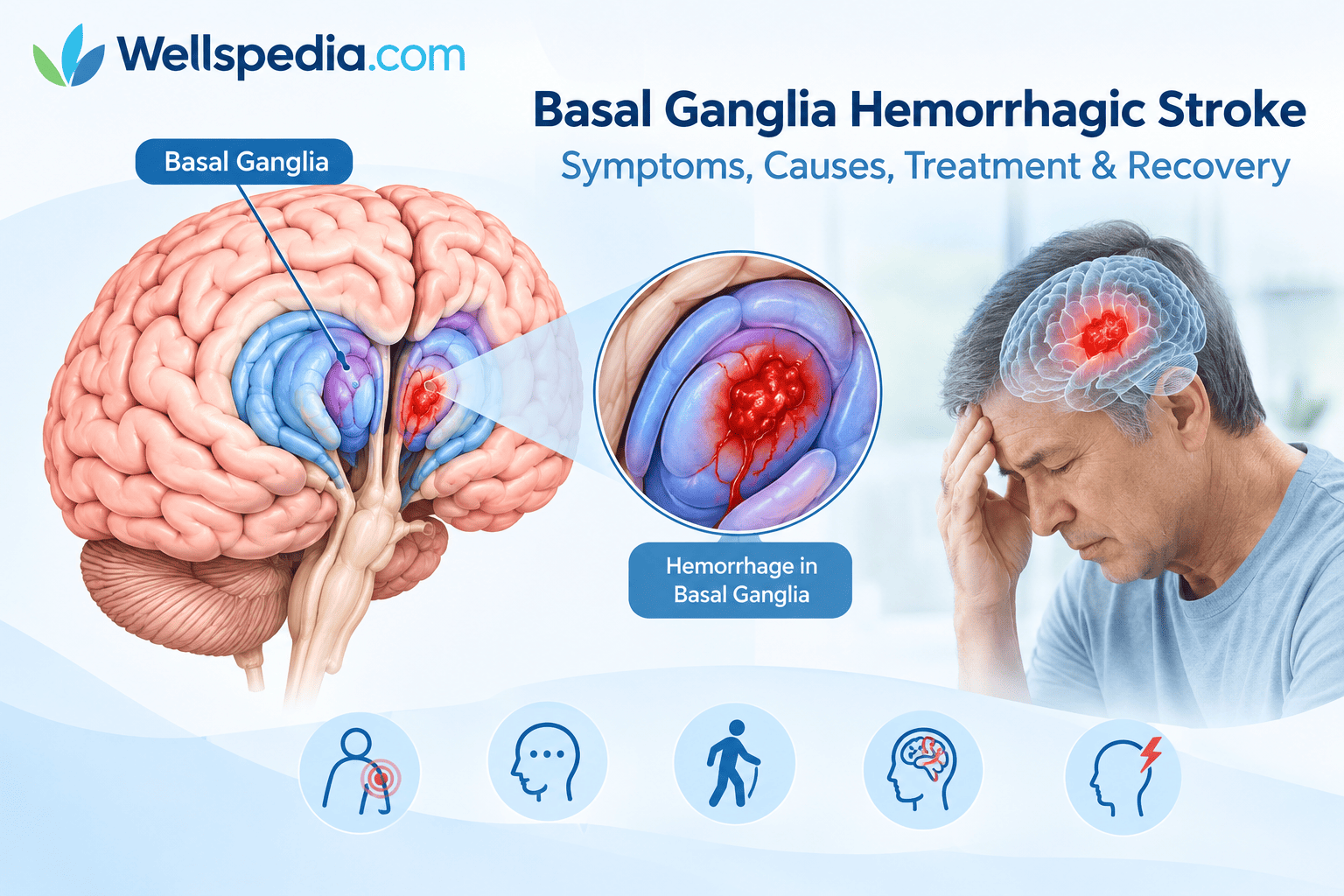
Basal Ganglia Hemorrhagic Stroke: Symptoms, Causes, Treatment and Recovery

A basal ganglia hemorrhagic stroke occurs when a blood vessel ruptures and causes bleeding in the basal ganglia, a group of deep brain structures involved in movement and other important functions. The bleeding can injure surrounding brain tissue, increase pressure inside the skull,
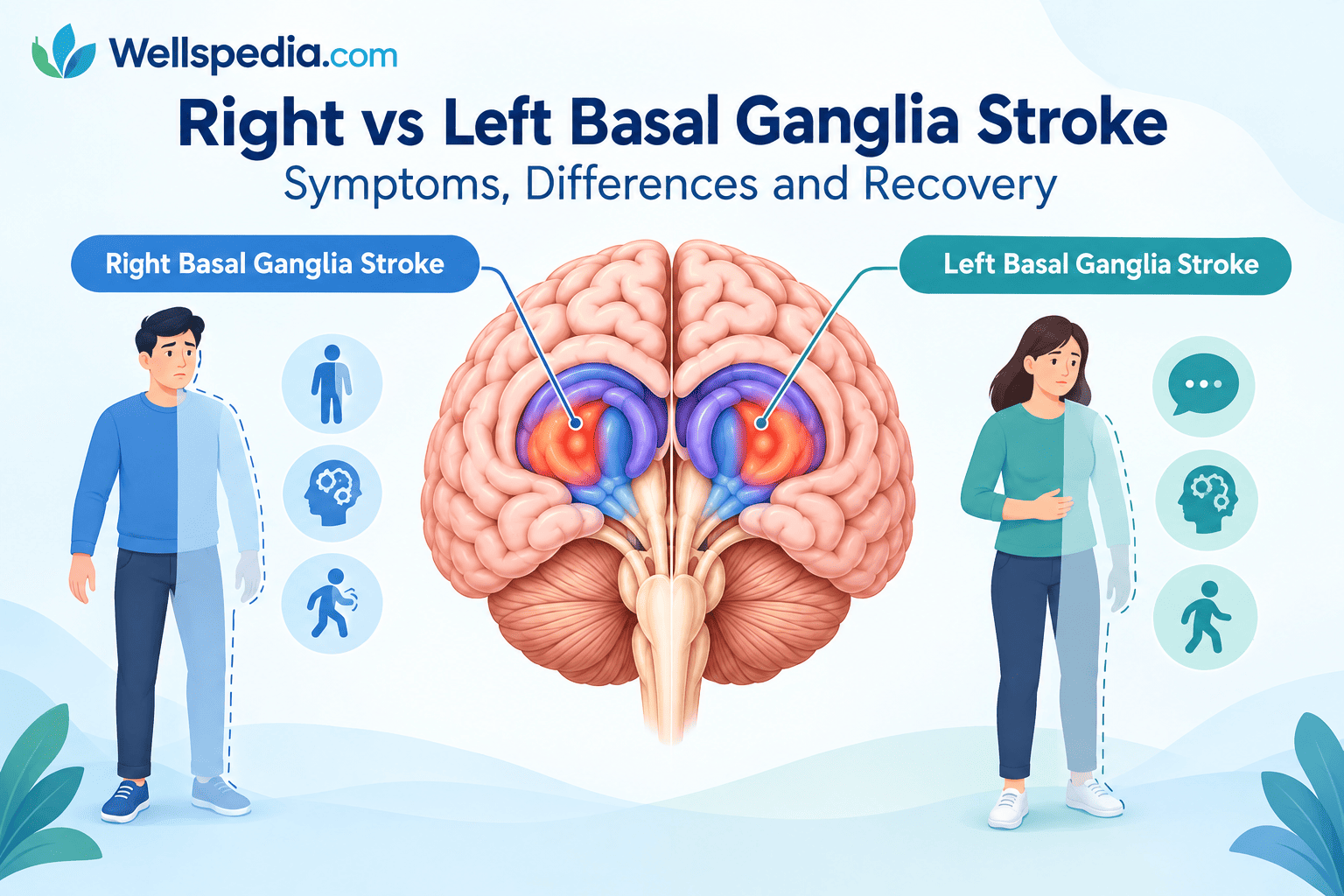
Right vs Left Basal Ganglia Stroke: Symptoms, Differences and Recovery

Introduction Basal ganglia stroke can affect movement, sensation, coordination, speech, and other neurological functions. The symptoms may differ depending on whether the stroke affects the right or left side of the brain. Understanding these differences can help explain why some people develop left-sided

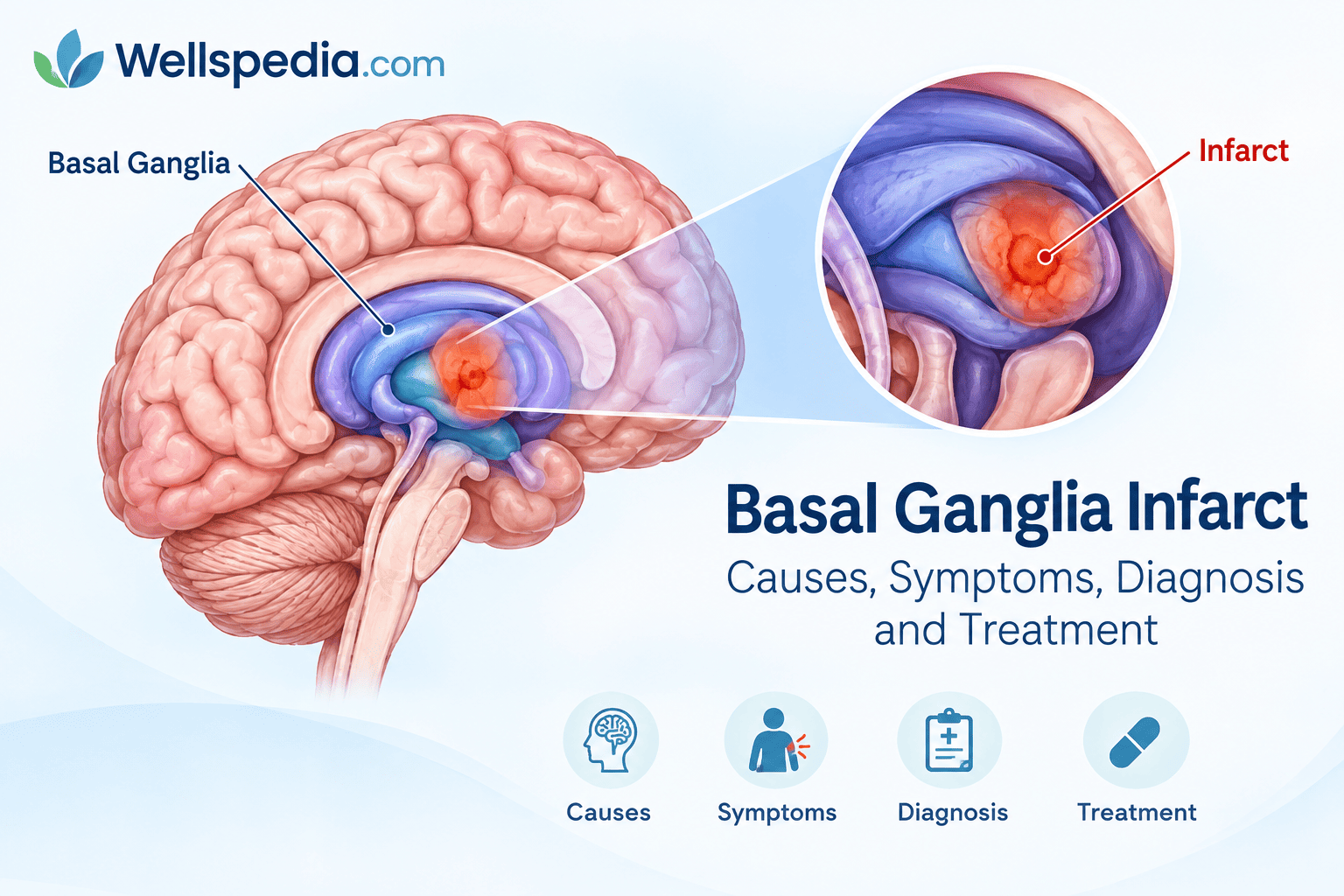
Basal Ganglia Infarct: Causes, Symptoms, Diagnosis and Treatment

What Is a Basal Ganglia Infarct? A basal ganglia infarct is one form of basal ganglia stroke. Read our complete guide to learn more about the different types, symptoms, treatment, and recovery. A basal ganglia infarct is an area of brain tissue injury

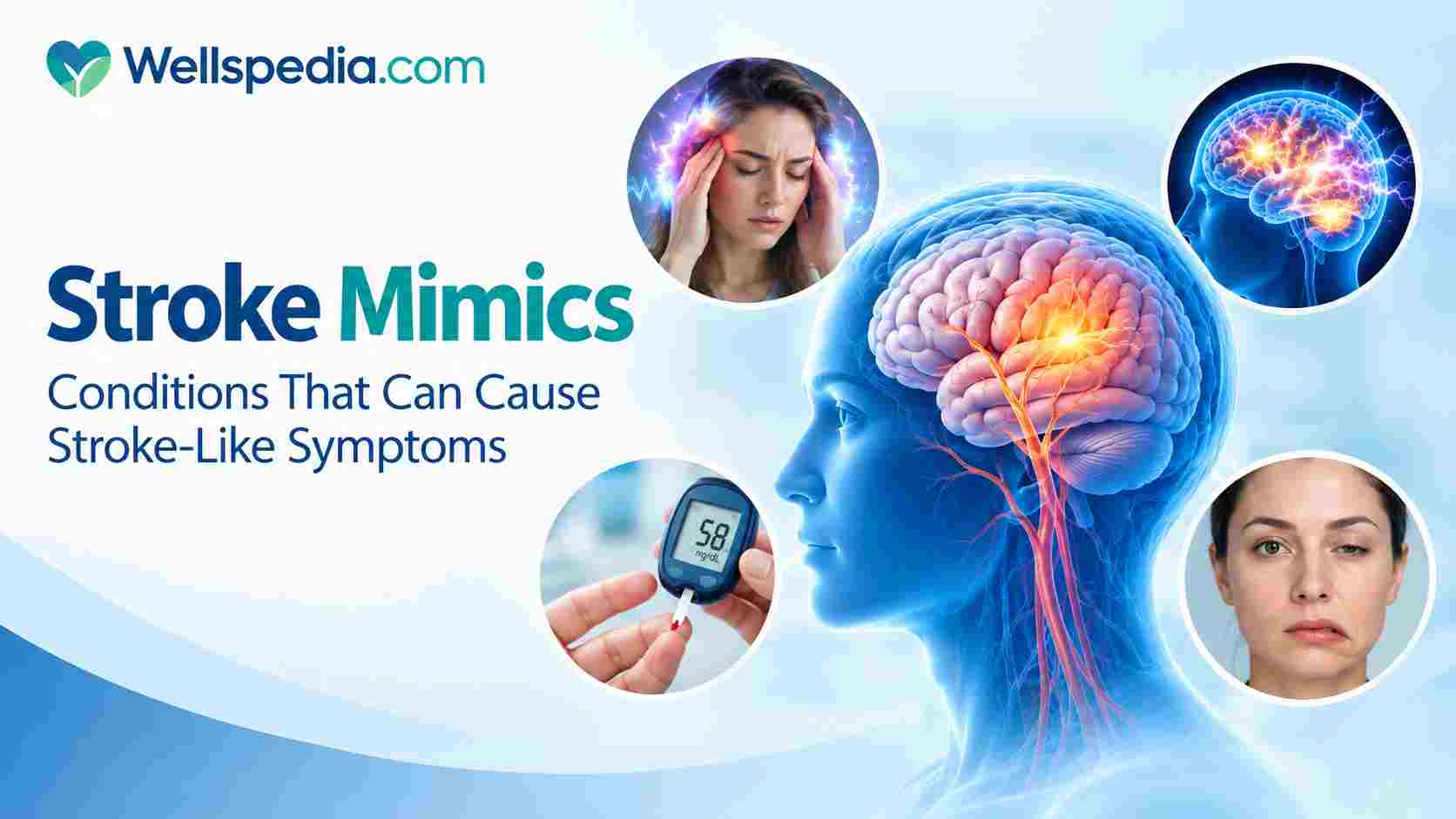
Stroke Mimics: Conditions That Can Cause Stroke-Like Symptoms

A sudden facial droop, weakness, difficulty speaking, confusion, or vision change can be frightening. These symptoms are commonly associated with a stroke, but stroke is not the only medical condition that can produce them. Some health conditions can temporarily interfere with brain function

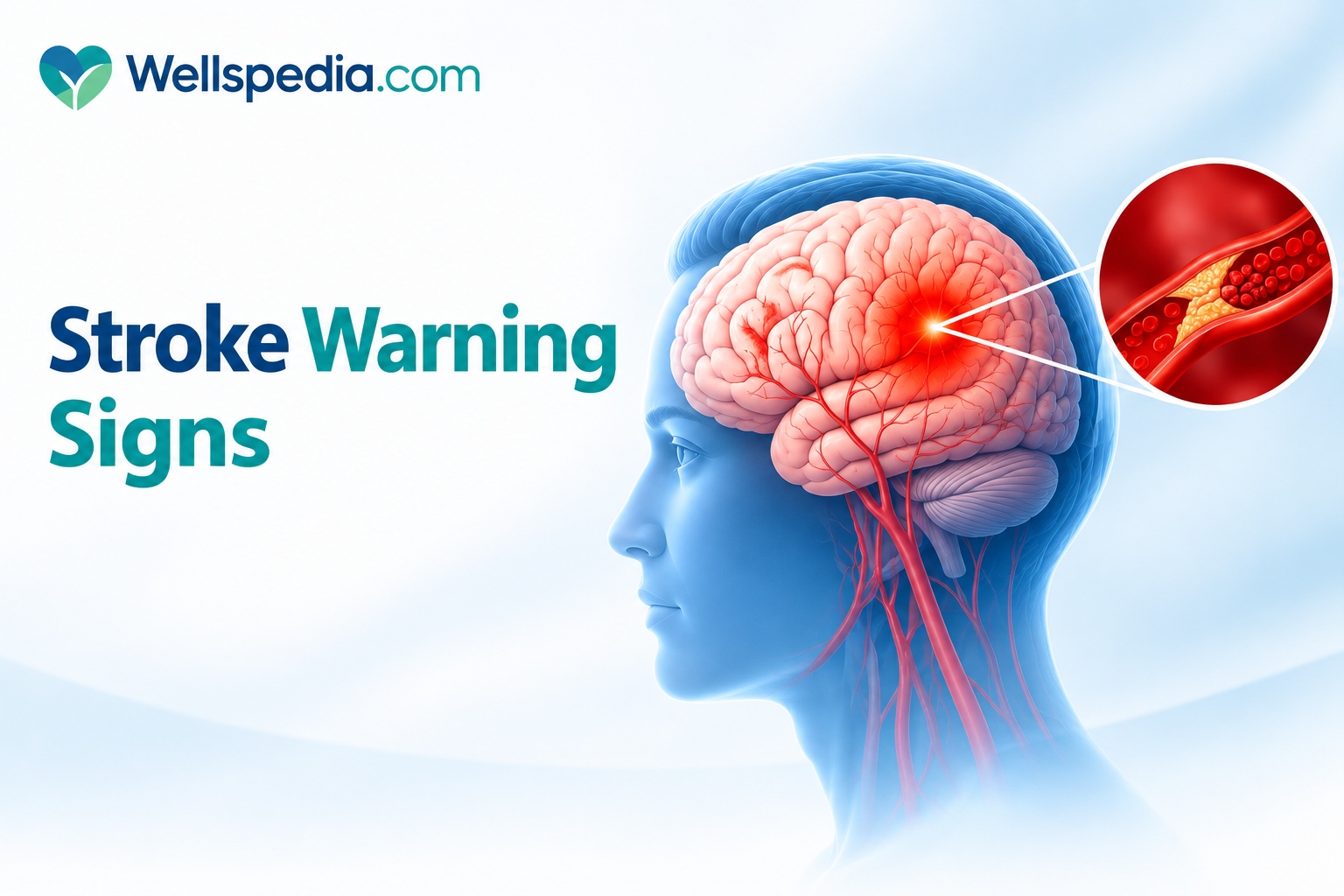
Stroke: Warning Signs, Causes, Risk Factors, Prevention and Recovery

A stroke occurs when the blood supply to part of the brain is interrupted or when a blood vessel in the brain bursts. Without enough oxygen and nutrients, brain cells can become damaged within minutes, making a stroke a medical emergency. The effects