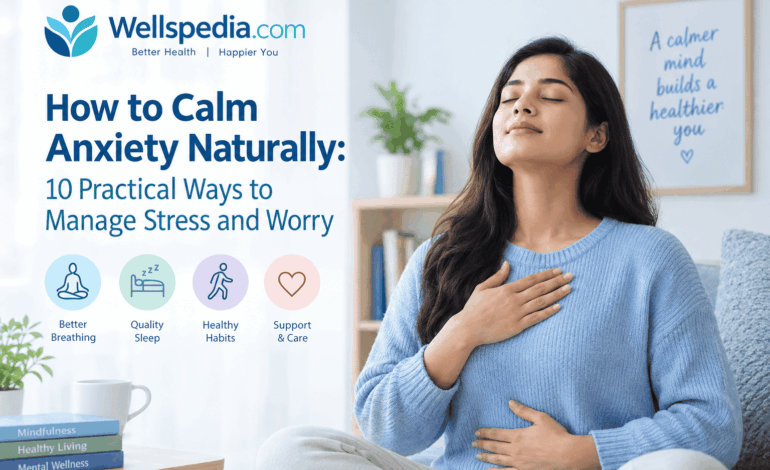
How to Calm Anxiety Naturally: 10 Practical Ways to Manage Stress and Worry
Anxiety can make everyday life feel overwhelming. You may find yourself worrying about the future, struggling to concentrate, or feeling tense even when nothing seems wrong. For some people, anxiety also affects sleep, digestion, energy levels, and relationships.
The good news is that simple daily habits may help you manage anxious feelings and feel more in control. Learning to slow your breathing, recognise worrying thoughts, stay physically active, and build a healthy routine can support your mental well-being.
In this guide, we explore 10 practical ways to calm anxiety naturally, when to seek professional help, and how to make anxiety management part of your daily life.
What Is Anxiety?
Anxiety is the body’s natural response to stress, uncertainty, or a perceived threat. It can help you prepare for challenging situations, such as an examination, job interview, or important decision.
However, anxiety may become difficult to manage when worrying continues for long periods or begins to interfere with everyday activities.
People experience anxiety differently. Some notice racing thoughts, while others experience muscle tension, restlessness, headaches, or difficulty sleeping.
If you want to understand the warning signs in more detail, read our guide to anxiety symptoms, signs, and when to seek help.
10 Natural Ways to Help Calm Anxiety
1. Practise Slow, Comfortable Breathing
When anxiety increases, breathing may become faster or shallower. Paying attention to your breathing can help you slow down and focus on the present moment.
Try this simple exercise:
- Sit comfortably with your shoulders relaxed.
- Breathe in gently through your nose for about three seconds.
- Breathe out slowly for about three seconds.
- Repeat for a few minutes at a comfortable pace.
Do not force deep breaths or hold your breath if this feels uncomfortable. Stop if you become dizzy or feel worse.
Practising regularly may help you become more familiar with this technique when stress arises.
2. Try the 5-4-3-2-1 Grounding Technique
Anxious thoughts can pull your attention towards possible future problems. Grounding exercises help redirect your attention to your immediate surroundings.
Use the 5-4-3-2-1 method:
- 5 things you can see: Notice objects, colours, or shapes around you.
- 4 things you can feel: Notice your feet on the floor or your hands touching a surface.
- 3 things you can hear: Listen for nearby or distant sounds.
- 2 things you can smell: Notice familiar scents around you.
- 1 thing you can taste: Pay attention to the taste in your mouth or take a sip of water.
You can practise this exercise at home, at work, or in another safe place whenever anxious thoughts feel overwhelming.
3. Move Your Body Every Day
Physical activity can support mental well-being and help reduce stress. You do not need to follow an intense exercise programme to get started.
Choose an activity that suits your fitness level, such as:
- Walking outdoors for 10–20 minutes.
- Stretching after sitting for long periods.
- Practising gentle yoga.
- Cycling or swimming.
- Dancing to music you enjoy.
Start with small, achievable goals and gradually increase your activity as you feel comfortable.
If you have a health condition or concerns about exercising, ask a healthcare professional which activities are appropriate for you.
4. Improve Your Sleep Routine
Poor sleep can make it harder to cope with stress, while anxiety can also interfere with sleep. Creating a consistent bedtime routine may help break this cycle.
Try these habits:
- Go to bed and wake up at similar times each day.
- Reduce screen use before bedtime.
- Keep your bedroom quiet, comfortable, and dark.
- Avoid heavy meals close to bedtime if they disturb your sleep.
- Try reading, gentle stretching, or quiet music before bed.
If sleep problems continue for several weeks or significantly affect your daily life, consider speaking with a healthcare professional.
5. Reduce Caffeine if It Makes You Anxious
Caffeine can increase alertness, but too much may cause jitteriness, a faster heartbeat, restlessness, or sleep difficulties in some people.
Coffee, strong tea, energy drinks, and some soft drinks contain caffeine.
If you notice that these drinks worsen your anxiety, try reducing your intake gradually. Consider switching to decaffeinated drinks or water, particularly later in the day.
Pay attention to how your body responds rather than assuming that everyone needs to avoid caffeine completely.
6. Write Down Your Worries
When several concerns compete for your attention, it can be difficult to decide what to do first. Writing them down may help you organise your thoughts.
Use a notebook or a private digital document to answer three questions:
- What am I worried about?
- Can I do anything practical about this concern today?
- What is one small step I can take?
For example, if an upcoming examination worries you, your next step might be to study one topic for 20 minutes rather than thinking about the entire examination at once.
For problems you cannot control, acknowledge the uncertainty and redirect your attention towards something useful in the present.
7. Break Large Tasks into Smaller Steps
Long to-do lists, academic pressure, work deadlines, and family responsibilities can make stress feel unmanageable.
Instead of trying to complete everything at once, divide a large task into smaller actions.
For example, if preparing for an interview feels overwhelming:
- Spend 10 minutes reviewing the job description.
- Practise answering one common interview question.
- Take a short break.
- Prepare one additional answer later.
Completing small tasks can help you build confidence and create a clearer sense of progress.
Remember that taking breaks is part of a sustainable routine, not a sign of failure.
8. Stay Connected with Supportive People
Anxiety can sometimes make people withdraw from friends, family, or social activities. However, talking with someone you trust may help you feel less alone.
You could tell a trusted person what you have been experiencing and explain what kind of support would help.
For example, you might ask them to listen without judging, accompany you on a walk, or help you think through a stressful situation.
You do not have to explain everything perfectly. Starting with a simple statement such as “I’ve been feeling overwhelmed lately” can open the conversation.
If anxiety makes social situations difficult, start with brief, manageable interactions rather than pressuring yourself to do too much.
9. Set Healthy Boundaries with Technology
Constant notifications, distressing news, and excessive time on social media can add to feelings of pressure for some people.
Consider making a few simple changes:
- Turn off non-essential notifications.
- Take short breaks from social media.
- Avoid repeatedly searching online for reassurance about symptoms.
- Set a specific time to check messages.
- Keep your phone away from your bed at night.
The goal is not to eliminate technology but to use it in a way that supports your well-being.
Choose reliable health information sources and consult a qualified professional when you have persistent health concerns.
10. Consider Professional Support
Self-care can be helpful, but it is not always enough. Anxiety disorders may require structured treatment, including psychotherapy such as cognitive behavioural therapy (CBT), medication when appropriate, or a combination of approaches.
A doctor or mental health professional can help you understand your symptoms and discuss suitable treatment options.
Consider seeking support if anxiety:
- Is difficult to control.
- Interferes with work, studies, or relationships.
- Causes ongoing sleep problems.
- Leads you to avoid important everyday activities.
- Continues despite your efforts to manage it.
Seeking help does not mean you have failed to manage your emotions. It is a practical step towards getting the support you need.
A Simple Daily Routine for Managing Anxiety
You do not need to follow every suggestion at once. Begin with a few habits that fit your lifestyle.
Morning: Wake up at a consistent time, eat breakfast, and spend a few minutes breathing calmly.
Afternoon: Take a short walk, break large tasks into smaller steps, and pause between demanding activities.
Evening: Write down your main concerns, reduce stimulating screen use, and prepare for a regular bedtime.
Whenever anxiety rises: Try a grounding exercise, speak with someone supportive, or take a short break in a safe and comfortable place.
Be patient with yourself. Progress may be gradual, and some days may feel harder than others.
What Should You Avoid When Managing Anxiety?
Some coping habits may provide temporary relief but create additional problems over time.
Try to avoid:
- Using alcohol or recreational drugs to cope with anxious feelings.
- Increasing caffeine intake when it worsens restlessness.
- Ignoring persistent symptoms that interfere with daily life.
- Expecting yourself to feel calm all the time.
- Avoiding every situation that causes discomfort.
- Stopping prescribed medication without medical advice.
If a situation triggers anxiety, gradually facing it with appropriate support may be more helpful than avoiding it indefinitely. A mental health professional can help you approach difficult situations safely and at a manageable pace.
When Should You Seek Medical Help?
Speak with a healthcare professional if anxiety becomes persistent, difficult to control, or disruptive to your normal routine. They can assess your symptoms and check whether another medical condition or medication may be contributing.
Do not automatically assume that new or severe physical symptoms are caused by anxiety. Chest pain, severe breathing difficulty, fainting, or other potentially serious symptoms may require urgent medical assessment.
If you feel at immediate risk of harming yourself, seek emergency assistance or contact a local crisis service.
Frequently Asked Questions
How can I calm anxiety quickly?
Try sitting in a comfortable position, breathing gently at a steady pace, and focusing on your immediate surroundings. A grounding exercise or a conversation with someone you trust may also help. These strategies do not work equally well for everyone.
Can anxiety improve naturally without medication?
Some people find that exercise, sleep improvements, breathing exercises, and other self-care strategies help manage anxious feelings. However, persistent anxiety disorders may require professional treatment. Do not delay seeking help when symptoms interfere with daily life.
Does walking help reduce anxiety?
Regular walking can support physical and mental well-being. Even a short walk may provide a useful break from stressful activities. Choose a pace and duration that suit your abilities.
Can caffeine make anxiety worse?
Yes. Caffeine can increase jitteriness, restlessness, and sleep problems in some people. Reducing your intake may help if you notice a connection between caffeine and your symptoms.
How do I know whether my anxiety needs professional help?
Consider speaking with a professional when worry becomes difficult to control, affects sleep or relationships, disrupts work or studies, or leads you to avoid everyday activities. A qualified professional can assess your situation and recommend appropriate care.
What is the difference between stress and anxiety?
Stress is often connected to an identifiable demand or challenge. Anxiety may involve ongoing worry about possible threats or future events, even when no immediate problem is present. They can overlap, and a healthcare professional can help assess persistent or disruptive symptoms.
Final Thoughts
Learning to manage anxiety takes time, patience, and practice. Small changes, such as breathing exercises, regular movement, improved sleep, and supportive conversations, may help you cope with everyday stress.
However, natural strategies are not a substitute for professional care when anxiety becomes severe or interferes with daily life. Pay attention to your symptoms and seek support when you need it.
For a deeper understanding of anxiety warning signs and when to get help, explore our related guide: Anxiety Symptoms: Signs and When to Seek Help.
Medical Disclaimer: This article is for educational purposes only and does not replace professional medical advice, diagnosis, or treatment. Speak with a qualified healthcare professional about persistent or concerning symptoms.
References
- NHS — Anxiety, fear and panic
- NHS — Generalised anxiety disorder (GAD)
- NHS Inform — Anxiety self-help guide