Stroke Mimics: Conditions That Can Cause Stroke-Like Symptoms
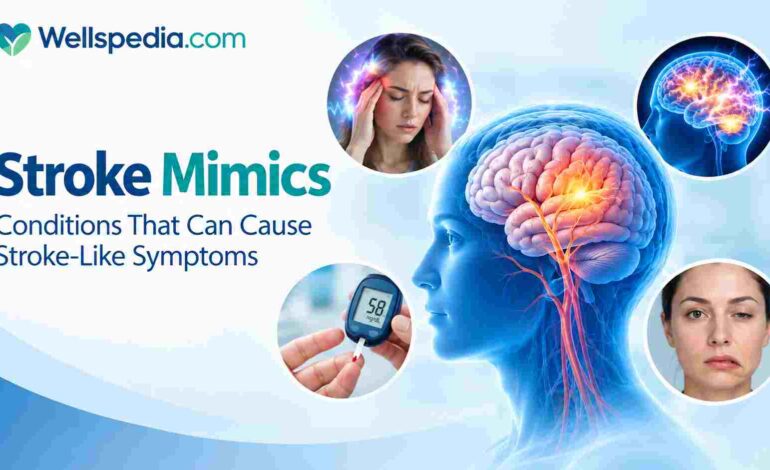
A sudden facial droop, weakness, difficulty speaking, confusion, or vision change can be frightening. These symptoms are commonly associated with a stroke, but stroke is not the only medical condition that can produce them.
Some health conditions can temporarily interfere with brain function and create symptoms that look remarkably similar to a stroke. These conditions are called stroke mimics. Because they can develop suddenly, distinguishing them from an actual stroke can be challenging, particularly during an emergency.
The most important point is simple: never assume sudden neurological symptoms are caused by a stroke mimic. Emergency medical assessment is essential to rule out a real stroke.
What Are Stroke Mimics?
Stroke mimics are medical conditions that cause symptoms resembling a stroke without being caused by a blocked brain artery or bleeding inside the brain.
Depending on the underlying cause, a person may develop:
- Weakness or difficulty moving
- Numbness or tingling
- Speech or language problems
- Vision changes
- Confusion
- Loss of balance or coordination
- Severe headache
- Seizures
- Temporary loss of consciousness
The causes can include neurological disorders, metabolic problems, infections, migraines, seizures, and functional neurological conditions.
The brain requires a continuous supply of oxygen, glucose, and other essential resources. Disturbances involving blood sugar, electrical activity, inflammation, or nerve function can therefore produce symptoms that initially appear similar to stroke.
How Common Are Stroke Mimics?
Stroke mimics are frequently identified among people who arrive at emergency departments with suspected stroke symptoms. The source reports that around 20% to 40% of suspected stroke cases may ultimately be attributed to another condition, although the percentage can vary according to age, clinical circumstances, and access to advanced imaging.
They may be encountered more often in younger people and in individuals who do not have typical stroke risk factors.
This is why doctors cannot safely diagnose a stroke or stroke mimic from symptoms alone. A medical history, neurological examination, blood glucose test, brain imaging, and other investigations may be necessary.
Why Is Recognizing Stroke Mimics Important?
Correctly identifying the cause of sudden neurological symptoms matters because both missed strokes and incorrect stroke diagnoses can create problems.
A Real Stroke Must Be Treated Quickly
Some stroke treatments are highly time-sensitive. If a genuine stroke is mistaken for a migraine, seizure, anxiety attack, or another condition, treatment may be delayed.
For eligible patients with certain ischemic strokes, clot-dissolving medication or clot-removal procedures may be considered depending on the clinical situation and treatment window.
Stroke Mimics Also Need the Right Care
A condition that looks like a stroke may require completely different treatment.
For example, someone with low blood sugar needs correction of the glucose problem, while a person experiencing a seizure may require neurological evaluation and seizure management.
Accurate diagnosis therefore helps doctors provide appropriate care while avoiding unnecessary treatment.
How Can the Location of a Stroke Affect Symptoms?
The symptoms of a genuine stroke can vary considerably because different areas of the brain control different functions.
A stroke affecting regions involved in movement, coordination, sensation, or communication can therefore produce a different pattern of symptoms from a stroke affecting another brain area.
For example, a basal ganglia stroke can affect movement and motor control and may produce symptoms that depend on the specific structures involved.
For a deeper explanation of this type of stroke, see our guide to Basal Ganglia Stroke: Types, Symptoms, Treatment and Recovery.
Conditions That Can Mimic a Stroke
Several medical conditions can produce neurological symptoms that resemble stroke. Some of the most important examples are described below.
1. Migraine With Aura
Migraine with aura is one of the better-known stroke mimics.
An aura can cause temporary:
- Visual disturbances
- Tingling or numbness
- Speech difficulties
- Sensory changes
- Weakness in some cases
A rare type called hemiplegic migraine can cause weakness or temporary paralysis on one side of the body, making it particularly difficult to distinguish from an ischemic stroke.
One possible clue is the progression of symptoms. Migraine aura may gradually develop, spread, or change over several minutes rather than appearing at full intensity immediately.
Headache, nausea, and sensitivity to light may accompany migraine, but they are not present in every episode.
A first episode of sudden neurological symptoms should still receive urgent medical assessment because it is unsafe to assume that the cause is migraine.
2. Seizures and Todd’s Paralysis
Seizures can sometimes be mistaken for strokes, particularly when nobody witnesses the seizure itself.
After a seizure, some people experience temporary weakness on one side of the body. This is called Todd’s paralysis and may last from minutes to several hours.
Other features that may occur after a seizure include:
- Confusion
- Changes in consciousness
- Tongue biting
- Loss of bladder control
These signs are not present in every seizure, so they cannot be used alone to rule out stroke.
3. Bell’s Palsy
Bell’s palsy causes sudden weakness of the facial muscles because of inflammation affecting the facial nerve.
Since facial drooping is also a common stroke symptom, the two conditions can initially appear similar.
Bell’s palsy generally affects both the upper and lower portions of one side of the face. Ear discomfort, altered taste, and increased sensitivity to sound may also occur.
However, some strokes can affect the entire side of the face, particularly strokes involving the brainstem. For that reason, sudden facial weakness should always be assessed by a healthcare professional.
4. Multiple Sclerosis Relapse
A flare or relapse of multiple sclerosis (MS) can produce symptoms that overlap with stroke, including:
- Weakness
- Numbness
- Vision changes
- Speech difficulties
MS symptoms commonly develop or worsen over hours or days rather than suddenly reaching maximum severity.
MRI findings can help doctors identify changes associated with MS. However, because people with MS can also experience stroke, sudden neurological symptoms should not automatically be attributed to the disease.
5. Brain Tumors and Other Mass Lesions
Brain tumors and other structural abnormalities can sometimes cause symptoms that resemble stroke.
Possible contributing factors include:
- Brain swelling
- Bleeding
- Seizures
- Pressure on nearby brain tissue
Symptoms caused by a tumor often develop gradually, but sudden deterioration can make the condition appear stroke-like.
Brain imaging is important because it can help doctors distinguish a vascular problem from a structural abnormality.
6. SMART Syndrome
SMART syndrome, short for Stroke-like Migraine Attacks after Radiation Therapy, is an uncommon condition associated with previous radiation treatment involving the brain.
Possible symptoms include:
- Weakness
- Speech difficulties
- Visual disturbances
- Severe migraine-like headaches
Because these symptoms can resemble stroke, a person’s medical history and appropriate brain imaging are important for diagnosis.
7. Low Blood Sugar
Hypoglycemia, or low blood glucose, is an important and potentially reversible stroke mimic.
Very low blood sugar may cause:
- Confusion
- Weakness
- Slurred speech
- Changes in neurological function
In severe cases, hypoglycemia can produce focal neurological symptoms that look like a stroke.
This is one reason rapid blood glucose testing is an important part of assessing suspected stroke.
Very high blood sugar can also contribute to changes in mental status and neurological function, particularly in people with diabetes.
8. Electrolyte Imbalances
Electrolytes such as sodium are essential for normal nerve and brain function.
Significant electrolyte abnormalities may cause:
- Confusion
- Weakness
- Seizures
- Reduced consciousness
These symptoms can sometimes be mistaken for stroke, particularly in older adults or people with other medical conditions.
Blood testing can help identify whether an electrolyte imbalance is contributing to the symptoms.
9. Infections
Certain infections can affect brain function and produce symptoms that resemble neurological disease.
Systemic infections may cause confusion or delirium, while severe infections involving the brain or nervous system can produce weakness, speech abnormalities, or altered consciousness.
Doctors may look for clues such as fever, inflammatory changes, or symptoms involving another part of the body.
In some cases, distinguishing an infection from stroke during the early stages can be difficult.
10. Functional Neurological Disorder
Functional neurological disorder (FND) can produce genuine neurological symptoms even when conventional structural imaging does not identify a corresponding brain injury.
Possible symptoms include:
- Weakness
- Altered sensation
- Speech difficulties
- Abnormal movements
FND is a recognized medical condition. The symptoms are real and can significantly affect daily life.
Instead of being caused by a visible structural brain lesion, the symptoms are associated with altered nervous-system functioning.
Clear communication, appropriate assessment, and follow-up are important because people with FND may experience significant distress when their symptoms are misunderstood.
11. Anxiety and Panic Attacks
Severe anxiety or a panic attack can produce physical sensations that may be mistaken for a neurological emergency.
A person may experience:
- Tingling or numbness
- Dizziness
- Chest discomfort
- Rapid breathing
- Difficulty speaking
- A feeling of losing control
Hyperventilation and other physical changes associated with panic can contribute to unusual neurological sensations.
For people who experience recurring anxiety symptoms, our guide to Anxiety Symptoms, Warning Signs and When to Seek Help provides additional information about symptoms and when professional support may be appropriate.
However, sudden neurological symptoms should never automatically be blamed on anxiety. A new episode requires appropriate medical assessment.
12. Fainting
After fainting, a person may temporarily feel confused or experience other symptoms that raise concern about a neurological problem.
A brief reduction in blood flow to the brain can temporarily affect normal neurological function.
Information about what happened immediately before fainting can be useful. Lightheadedness, palpitations, or other warning symptoms may provide important clues.
Unexplained or repeated fainting should be evaluated by a healthcare professional.
13. Migraine-Related Neurological Symptoms
Some migraine episodes can produce temporary neurological symptoms associated with changes in brain activity and blood flow.
Weakness, sensory changes, or visual disturbances can sometimes resemble an ischemic stroke.
A previous history of similar migraine episodes may help doctors recognize a pattern. Nevertheless, a new, unusually severe, or different neurological episode should not simply be assumed to be migraine.
How Do Doctors Tell a Stroke From a Stroke Mimic?
There is no single symptom that can reliably distinguish every stroke from every stroke mimic.
Doctors usually combine several types of information.
Medical History and Symptom Timeline
The time symptoms began and the way they progressed can provide valuable clues.
Sudden neurological deficits may increase concern for stroke, while symptoms that gradually spread or change may be more suggestive of certain migraine or seizure-related conditions.
However, symptom timing alone cannot safely exclude stroke.
Neurological Examination
A neurological examination allows clinicians to assess:
- Muscle strength
- Sensation
- Speech
- Coordination
- Balance
- Consciousness
- Other neurological functions
These findings can help doctors determine which conditions should be investigated further.
Blood Glucose Testing
A rapid blood glucose test is particularly important because hypoglycemia can cause stroke-like neurological symptoms and may be rapidly treatable.
Brain Imaging
CT and MRI scans are commonly used when stroke is suspected.
CT may help identify bleeding and other major abnormalities. MRI can be more sensitive for certain early ischemic changes and may also reveal alternative explanations for neurological symptoms.
Importantly, imaging needs to be interpreted together with the person’s symptoms and clinical examination.
Blood Tests and Additional Investigations
Depending on the suspected cause, doctors may order:
- Blood tests
- Infection-related tests
- Electrolyte testing
- EEG
- Other neurological investigations
The goal is to identify the underlying cause while ensuring that a potentially treatable stroke is not overlooked.
Why Early Neurological Rehabilitation May Matter
Not every person with stroke-like symptoms will need neurological rehabilitation. However, people who have a confirmed neurological injury or significant impairment may require ongoing rehabilitation and specialist follow-up.
Early neurological rehabilitation can focus on areas such as:
- Movement
- Communication
- Swallowing
- Cognition
- Daily activities
- Functional independence
People with severe neurological impairment or disorders of consciousness may require particularly specialized rehabilitation and monitoring.
For more information, read our guide on Early Neurological Rehabilitation in Disorders of Consciousness and why early care matters.
The appropriate rehabilitation plan depends on the person’s diagnosis, neurological status, complications, and recovery needs.
Can Stroke Mimics Be Prevented?
There is no single way to prevent all stroke mimics because they have many different causes.
The best approach is to manage the underlying condition when one has been identified.
Helpful brain-health measures may include:
- Keeping blood pressure under control
- Managing blood glucose
- Getting adequate sleep
- Identifying personal migraine triggers
- Following treatment plans for seizure disorders
- Addressing anxiety and other contributing conditions with professional support
People who repeatedly experience unexplained stroke-like episodes should discuss them with a healthcare professional.
When Should You Seek Emergency Medical Care?
Seek emergency medical attention immediately if sudden neurological symptoms develop.
Do not wait to see whether the symptoms disappear. Do not try to decide at home whether the cause is migraine, seizure, anxiety, low blood sugar, or another stroke mimic.
Emergency assessment is particularly important when someone suddenly develops:
- Facial weakness
- Weakness or numbness on one side
- Difficulty speaking
- Trouble understanding speech
- Sudden vision changes
- Severe confusion
- Loss of coordination or balance
- Sudden loss of consciousness
Even if symptoms improve, medical evaluation may still be necessary.
The safest approach is to treat a sudden stroke-like episode as an emergency until healthcare professionals determine the cause.
Stroke Mimic vs. Stroke Chameleon
These terms describe two different diagnostic challenges.
A stroke mimic produces symptoms that look like stroke but have another underlying cause.
A stroke chameleon, in contrast, is a genuine stroke that presents in an unusual or less recognizable way. Because its symptoms may not match the classic stroke pattern, it can be missed.
Understanding both concepts highlights why sudden neurological symptoms require professional assessment.
Can Carbon Monoxide Poisoning Cause Stroke-Like Symptoms?
Yes. Carbon monoxide poisoning can reduce the amount of oxygen available to the brain and may produce neurological symptoms that resemble an acute stroke.
Suspected carbon monoxide poisoning is a medical emergency and requires urgent evaluation.
Can Autoimmune Diseases Mimic a Stroke?
Yes. Some autoimmune and immune-mediated disorders can produce neurological symptoms that resemble stroke.
Depending on the condition, symptoms may include:
- Weakness
- Numbness
- Vision problems
- Speech difficulties
Examples include multiple sclerosis, Guillain–Barré syndrome, myasthenia gravis, and neuromyelitis optica spectrum disorder.
Frequently Asked Questions
What is a stroke mimic?
A stroke mimic is a medical condition that produces symptoms similar to stroke but is caused by another underlying problem rather than blocked blood flow or bleeding in the brain.
What is the most common stroke mimic?
Several conditions can mimic stroke, including migraine, seizures, low blood sugar, functional neurological disorder, and Bell’s palsy. The exact frequency varies depending on the patient population and clinical setting.
Can anxiety feel like a stroke?
Severe anxiety and panic attacks can cause symptoms such as dizziness, tingling, numbness, rapid breathing, and difficulty speaking. However, new sudden neurological symptoms should be medically evaluated rather than automatically attributed to anxiety.
Can low blood sugar look like a stroke?
Yes. Severe hypoglycemia can cause weakness, confusion, slurred speech, and other neurological symptoms that resemble stroke. Blood glucose testing can help identify this potentially treatable cause.
Can a migraine cause stroke-like symptoms?
Yes. Migraine with aura and hemiplegic migraine can cause visual changes, sensory symptoms, speech problems, and weakness that may resemble stroke.
Can stroke-like symptoms disappear?
Yes, some stroke mimics can cause temporary symptoms that improve or disappear. However, temporary neurological symptoms can also occur with conditions such as TIA, so improvement does not mean emergency evaluation is unnecessary.
Final Takeaway
Stroke mimics can cause neurological symptoms that closely resemble a real stroke. Migraines, seizures, low blood sugar, Bell’s palsy, infections, functional neurological disorder, metabolic problems, and other conditions can all produce stroke-like symptoms.
Recognizing these conditions can help healthcare professionals identify the correct cause and provide appropriate treatment.
However, there is one rule that should never be ignored: sudden neurological symptoms must be treated as a medical emergency until stroke has been ruled out by healthcare professionals.
Medical Disclaimer
This article is intended for general educational purposes only and does not replace professional medical advice, diagnosis, or treatment. If you or someone around you develops sudden stroke-like symptoms, seek emergency medical care immediately.