Allodynia: Symptoms, Causes, Migraine Connection, Diagnosis and Treatment
What Is Allodynia?
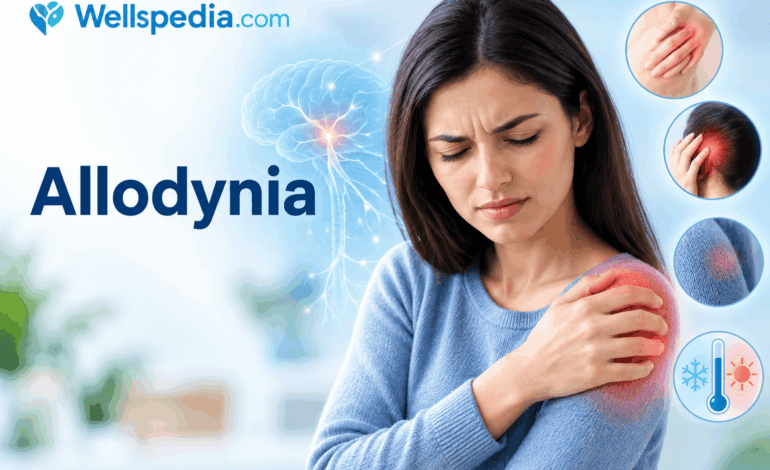
Allodynia is a type of pain that happens when a normally harmless sensation causes discomfort. A light touch, gentle pressure, clothing rubbing against the skin, or a small temperature change may feel painful.
Allodynia is a symptom, not a disease on its own. Several conditions can cause it, including migraine, fibromyalgia, nerve-related disorders, and other chronic pain conditions.
Pasted markdown
The pain can affect different parts of the body. Some people notice sensitivity only during certain episodes, while others experience it for a longer period.
Why Does Allodynia Happen?
Researchers have not yet identified one exact cause of allodynia. However, changes in the way sensory nerves process signals may play an important role.
Normally, the nervous system separates harmless sensations from signals that indicate potential injury. With allodynia, this process can change. As a result, the brain may interpret an ordinary sensation as painful.
Increased sensitivity in the body’s pain pathways may also contribute to the problem.
What Does Allodynia Feel Like?
People with allodynia may describe their symptoms in different ways. Common examples include:
-
Pain when resting the head on a pillow
-
Scalp pain while brushing the hair
-
Discomfort when someone lightly touches the skin
-
Pain from clothing moving across the body
-
Burning or aching sensations after gentle contact
-
Pain caused by mild changes in temperature
These symptoms can make everyday activities more difficult. Showering, getting dressed, brushing the hair, or sleeping may become uncomfortable.
Because ordinary touch can trigger the pain, other people may not always understand what the person is experiencing.
Types of Allodynia
Doctors can describe allodynia according to the type of stimulus that causes pain.
Tactile Allodynia
Tactile allodynia occurs when light touch or gentle pressure causes pain.
For example, brushing the hair, touching the scalp, or placing light pressure on the skin may become uncomfortable.
Thermal Allodynia
Thermal allodynia causes pain in response to mild temperature changes.
A temperature that would normally feel comfortable may instead produce an unpleasant or painful sensation.
Mechanical or Dynamic Allodynia
Mechanical or dynamic allodynia occurs when movement across the skin causes pain.
Clothing rubbing against the skin is one example. A gentle movement that normally feels harmless may become painful when the nervous system becomes highly sensitive.
Common Causes of Allodynia
Several health conditions can occur alongside allodynia. Certain medicines and nutritional deficiencies may also contribute to abnormal sensory symptoms.
Migraine
Migraine is one of the conditions commonly linked with allodynia. People with frequent or chronic migraine may develop increased sensitivity during an attack.
During a migraine episode, ordinary sensations may become uncomfortable. For example, touching the scalp or resting the head against a pillow can cause pain.
Fibromyalgia
People with fibromyalgia may experience increased sensitivity to touch. Changes in the way the nervous system processes pain can contribute to this symptom.
Tactile allodynia can therefore occur as part of the wider pain sensitivity associated with fibromyalgia.
Postherpetic Neuralgia
Postherpetic neuralgia is nerve pain that can remain after shingles.
Shingles affects nerves in the area of the rash. After the infection improves, the affected nerves may continue to send abnormal pain signals. Light touch or movement across the skin can then become painful.
Peripheral Neuropathy and CRPS
Nerve disorders can change how the body responds to touch and other sensations.
Allodynia can occur in complex regional pain syndrome (CRPS). This condition involves persistent pain and changes in sensory processing.
Peripheral neuropathy can also produce unusual sensations, including pain and increased sensitivity.
Trigeminal Neuralgia
Trigeminal neuralgia affects the trigeminal nerve, which carries sensory signals from the face.
Changes in this nerve can make ordinary facial stimulation painful for some people.
Diabetes
Diabetes can affect the nerves, particularly when blood sugar remains poorly controlled over time. Nerve damage associated with diabetes may contribute to abnormal pain and sensitivity.
Research has also examined proteins such as SIRT1 and BDNF in relation to allodynia associated with diabetes.
Pasted markdown
Medicines
Some medicines may be associated with changes in skin sensation in certain people.
The source discusses reports involving some GLP-1 receptor agonists, including semaglutide and tirzepatide. It also mentions chemotherapy medicines, antibiotics, and metformin.
Pasted markdown
If unusual pain begins after starting a medicine, speak with your healthcare professional before making changes to your treatment.
Nutritional Deficiencies
Certain vitamins support normal nervous-system function. Deficiencies involving vitamin B or vitamin D may contribute to abnormal nerve-related symptoms in some situations.
Pasted markdown
A healthcare professional can determine whether a nutritional deficiency may be contributing to the symptoms.
Allodynia and Migraine
Allodynia is common among people with migraine. The supplied source reports an estimated prevalence of 40% to 70% among people with migraine.
Pasted markdown
Migraine can increase sensitivity within the nervous system. During an attack, even gentle stimulation may therefore become painful.
Migraine-related allodynia may include:
-
Scalp sensitivity
-
Pain from brushing the hair
-
Pain from pillow pressure
-
Discomfort from glasses or other items touching the face
-
Pain from gentle pressure on the skin
Some people may also experience migraine aura, which can involve temporary visual or sensory symptoms.
How Is Allodynia Diagnosed?
Doctors diagnose allodynia by reviewing symptoms, medical history, and possible underlying causes.
During an evaluation, your doctor may ask:
-
When did the sensitivity begin?
-
Where does the pain occur?
-
What type of touch causes pain?
-
Does temperature trigger symptoms?
-
Does clothing cause discomfort?
-
Do symptoms occur during migraine attacks?
-
Are you taking any medicines?
-
Do you have diabetes or another condition that affects the nerves?
Doctors may use the Allodynia Symptom Checklist (ASC-12) to assess how frequently certain activities cause discomfort.
Pasted markdown
Additional tests may include:
-
Blood tests
-
Nerve conduction studies
-
Electromyography (EMG)
Tell your doctor how the pain feels. Burning, shooting, aching, or stabbing sensations can provide useful information when doctors investigate possible nerve involvement.
Allodynia vs. Hyperalgesia
Allodynia and hyperalgesia both involve abnormal pain responses, but they are not the same.
Allodynia means a normally harmless stimulus causes pain.
Hyperalgesia means a normally painful stimulus causes more pain than expected.
Pasted markdown
For example, light clothing touching the skin may cause pain in someone with allodynia. In hyperalgesia, a stimulus that is already painful may produce an unusually strong response.
How Is Allodynia Treated?
Treatment depends on the cause of allodynia. Doctors may combine approaches to control pain and treat the condition responsible for the symptoms.
Medicines for Allodynia
Some antidepressants and antiseizure medicines can help manage certain types of nerve-related pain.
When migraine contributes to allodynia, doctors may prescribe migraine treatments such as triptans when appropriate.
For localized skin pain, topical treatments such as lidocaine or capsaicin may be considered.
Pasted markdown
Physical Therapy and Counseling
Physical therapy may help some people, particularly when allodynia occurs alongside chronic pain or movement-related problems.
Counseling and supportive care can also help people manage the effects of persistent pain on daily life.
Nerve Blocks and Other Treatments
For selected patients, doctors may consider nerve blocks or botulinum toxin to reduce pain signaling.
Severe or persistent cases may require specialist treatment. In certain situations, spinal cord stimulation may be considered.
Because allodynia has different possible causes, doctors usually tailor treatment to each person’s symptoms and medical condition.
Pasted markdown
When Should You See a Doctor?
Talk to a healthcare professional if you develop unexplained or persistent pain from normal touch.
Seek prompt medical attention if the symptoms occur with:
-
Sudden and severe pain
-
New weakness
-
Loss of sensation
-
Spreading numbness
-
Loss of normal function
-
Unexplained weight loss
-
Fever
-
Dizziness
-
Night sweats
-
A fast heart rate
Sudden weakness, numbness, or loss of function can require urgent medical assessment.
Pasted markdown
Frequently Asked Questions About Allodynia
How long does allodynia last?
The duration depends on its underlying cause. Some people experience short episodes, while others may have symptoms for months or longer.
Pasted markdown
Can allodynia come and go?
Yes. Symptoms can appear and disappear depending on the underlying condition. For example, some people notice increased sensitivity during particular migraine episodes.
Pasted markdown
Is allodynia serious?
Allodynia is a symptom rather than a disease. However, persistent allodynia deserves medical attention because it can occur with underlying neurological or chronic pain conditions and may affect quality of life.
Why does my skin hurt in one spot?
Localized skin pain can sometimes occur when nerves in that area become irritated or damaged. Shingles-related nerve pain and other neuropathic conditions can cause this type of symptom.
Can anxiety cause allodynia?
Anxiety and stress can influence pain sensitivity and may make symptoms worse for some people. However, persistent allodynia can have several possible causes, so a healthcare professional should evaluate ongoing symptoms.
Can COVID-19 cause allodynia?
The source reports that some people with COVID-19 have experienced allodynia and other abnormal sensory symptoms.
Pasted markdown
Can lupus cause allodynia?
The source states that lupus can be associated with allodynia. However, new or persistent sensory symptoms should receive an appropriate medical evaluation to identify the underlying cause.
Pasted markdown
What can be mistaken for allodynia?
Several abnormal sensory symptoms can resemble allodynia.
Hyperalgesia causes increased pain from a stimulus that normally hurts. Paresthesia describes an unusual sensation such as tingling or pins and needles. Dysesthesia refers to an abnormal and often unpleasant sensation.
Hyperpathia describes an unusually strong pain response, particularly after repeated stimulation.
The key difference is simple: allodynia causes pain from a stimulus that normally should not hurt.
Pasted markdown
Final Takeaway
Allodynia causes normally harmless sensations to feel painful. Light touch, clothing, pressure, or mild temperature changes can become uncomfortable when the nervous system processes sensory signals differently.
Migraine, fibromyalgia, nerve disorders, diabetes, and shingles-related nerve pain can occur alongside allodynia. Treatment depends on identifying and managing the underlying cause.
If your skin becomes unusually sensitive or everyday touch causes unexplained pain, consider speaking with a healthcare professional for an appropriate evaluation.
Medical Disclaimer
This article is intended for general educational purposes only. It does not replace professional medical advice, diagnosis, or treatment. If you develop sudden, severe, or rapidly worsening symptoms, seek appropriate medical care.