Stroke: Warning Signs, Causes, Risk Factors, Prevention and Recovery
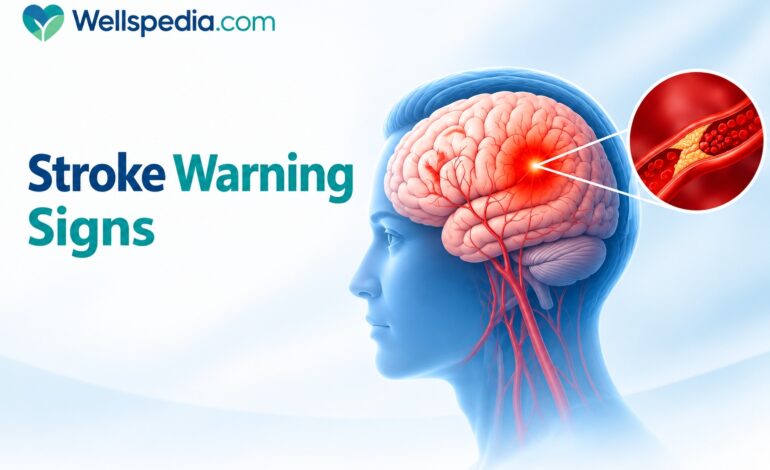
A stroke occurs when the blood supply to part of the brain is interrupted or when a blood vessel in the brain bursts. Without enough oxygen and nutrients, brain cells can become damaged within minutes, making a stroke a medical emergency. The effects of a stroke can vary depending on which area of the brain is affected. For example, a basal ganglia stroke may affect movement, muscle control, coordination, and other neurological functions. Understanding the area of the brain involved can help explain why stroke symptoms and recovery can differ from one person to another.
Important: If you suspect that you or someone else is having a stroke, seek emergency medical care immediately. Do not wait for the symptoms to disappear.
What Is a Stroke?
A stroke occurs when the brain’s blood supply is interrupted or when bleeding occurs because a blood vessel ruptures.
There are two main types of stroke:
Ischemic Stroke
An ischemic stroke occurs when a blood clot or another blockage prevents blood from reaching part of the brain. This is the most common type of stroke.
Hemorrhagic Stroke
A hemorrhagic stroke occurs when a blood vessel in or around the brain breaks and causes bleeding.
Both types of stroke can damage brain tissue and require urgent medical attention.
What Are the Warning Signs of a Stroke?
The stroke warning signs often appear suddenly. Symptoms can vary depending on the area of the brain affected.
Common stroke symptoms include:
- Sudden weakness or numbness in the face, arm, or leg
- Weakness that mainly affects one side of the body
- Difficulty speaking or slurred speech
- Trouble understanding what someone is saying
- Sudden confusion
- Difficulty walking
- Loss of balance or coordination
- Sudden dizziness
- Vision problems in one or both eyes
- A sudden, severe, or unusual headache
- Fainting or loss of consciousness
A person does not need to experience all of these symptoms to be having a stroke.
Even one sudden neurological symptom can require emergency evaluation.
How to Recognize a Stroke Using the FAST Method
The FAST method is an easy way to remember some of the most important stroke symptoms.
F — Face
Ask the person to smile.
Check whether:
- One side of the face droops
- The smile looks uneven
- The person has difficulty moving one side of the face
A — Arms
Ask the person to raise both arms.
A possible warning sign is when:
- One arm becomes weak
- One arm drifts downward
- The person cannot lift one arm normally
S — Speech
Ask the person to repeat a simple sentence.
Look for:
- Slurred speech
- Difficulty speaking
- Trouble finding words
- Difficulty understanding speech
- Unusual or confused language
T — Time
Time is critical during a suspected stroke.
Call emergency medical services immediately and note when the symptoms started or when the person was last known to be well.
Do not wait to see whether the symptoms improve.
What Causes a Stroke?
A stroke can develop when blood flow to the brain becomes blocked or when a blood vessel ruptures.
In an ischemic stroke, a clot or narrowing inside an artery can restrict the supply of blood to brain tissue. Conditions that damage or narrow blood vessels can increase this risk.
In a hemorrhagic stroke, a weakened blood vessel breaks and causes bleeding in or around the brain.
Several health and lifestyle factors can increase the likelihood of these problems, including high blood pressure, diabetes, smoking, abnormal cholesterol, heart disease, and physical inactivity.
Major Stroke Risk Factors
Some stroke risk factors can be controlled, while others cannot. Understanding these factors can help you take steps to protect your cardiovascular and brain health.
1. High Blood Pressure
High blood pressure is one of the most important modifiable risk factors for stroke.
Over time, uncontrolled hypertension can place stress on blood vessel walls and contribute to vascular damage. Regular blood pressure checks and appropriate treatment can help reduce this risk.
2. Diabetes
Diabetes can affect blood vessels and increase the risk of cardiovascular complications, including stroke.
Managing blood sugar through appropriate medical care, physical activity, nutrition, and prescribed treatment can help protect long-term health.
3. High Cholesterol
High levels of certain types of cholesterol can contribute to plaque buildup inside arteries.
Managing cholesterol through a healthy lifestyle and medical treatment when needed may help maintain healthier blood vessels.
4. Heart Disease
Some heart conditions can increase the risk of stroke.
Atrial fibrillation, for example, causes an irregular heart rhythm that can allow blood clots to form. A clot may travel through the bloodstream and block an artery supplying the brain.
People with heart disease should follow their healthcare professional’s recommendations for managing their condition and reducing stroke risk.
5. Smoking
Smoking can damage blood vessels and increase the risk of cardiovascular disease.
Stopping smoking is an important step toward improving blood vessel health and lowering the risk of stroke.
6. Excessive Alcohol Consumption
Heavy or binge drinking may contribute to several stroke-related risk factors, including high blood pressure, abnormal heart rhythms, weight gain, and cardiovascular problems.
Reducing excessive alcohol consumption can support better heart and blood vessel health.
7. Overweight and Physical Inactivity
Being physically inactive or carrying excess weight can contribute to conditions associated with stroke, including high blood pressure, diabetes, abnormal cholesterol, and heart disease.
Regular physical activity can help support cardiovascular health and healthy weight management.
8. Sleep Apnea
Sleep apnea causes repeated interruptions in breathing during sleep.
It has been associated with cardiovascular problems and may increase stroke risk. Persistent loud snoring, pauses in breathing during sleep, gasping at night, or excessive daytime tiredness should be discussed with a healthcare professional.
9. Previous Stroke
A person who has experienced a stroke may have an increased risk of another stroke.
After a stroke, regular follow-up care and management of blood pressure, diabetes, cholesterol, heart disease, smoking, and other risk factors are important.
10. Transient Ischemic Attack
A transient ischemic attack, commonly called a TIA, can cause temporary stroke-like symptoms.
Although the symptoms may disappear, a TIA should never be ignored. It can be an important warning of increased stroke risk and requires prompt medical evaluation.
11. Family History
Having close relatives who have experienced a stroke may increase an individual’s risk.
Family history cannot be changed, but knowing it can encourage people to pay closer attention to controllable risk factors.
12. Artery Disease
Diseases affecting the arteries can interfere with normal blood flow.
Carotid artery disease is particularly important because the carotid arteries supply blood to the brain. Narrowing or damage in these arteries can increase the risk of stroke.
13. Age and Other Factors
Stroke risk generally increases with age, but younger adults can also experience strokes.
Sudden neurological symptoms should therefore never be dismissed simply because someone is young.
How Can You Prevent a Stroke?
Not every stroke can be prevented, but many important risk factors can be managed.
Keep Blood Pressure Under Control
Check your blood pressure regularly and follow your healthcare professional’s recommendations if you have hypertension.
Stop Smoking
Avoid cigarettes and other tobacco products. Reducing exposure to secondhand smoke is also beneficial.
Stay Physically Active
Regular physical activity can support healthy blood pressure, weight, blood sugar, and cardiovascular function.
Choose activities that are appropriate for your age and health status.
Eat a Balanced Diet
A heart-healthy eating pattern can include:
- Vegetables and fruits
- Whole grains
- Beans and legumes
- Nuts and seeds
- Fish
- Lean protein sources
Try to limit excessive sodium, added sugar, highly processed foods, and unhealthy fats.
Manage Diabetes and Cholesterol
If you have diabetes or high cholesterol, regular monitoring and appropriate treatment can help reduce complications affecting the blood vessels.
Maintain a Healthy Weight
Maintaining a healthy weight can help reduce several risk factors associated with stroke, including high blood pressure and diabetes.
Limit Alcohol
Avoid excessive or binge drinking. Depending on your health and medical history, your healthcare professional may recommend avoiding alcohol altogether.
Get Regular Health Checkups
Routine medical appointments can help identify and manage conditions such as:
- High blood pressure
- Diabetes
- High cholesterol
- Heart disease
- Abnormal heart rhythms
- Sleep apnea
Early detection can provide an opportunity to manage these conditions before complications develop.
Stroke Rehabilitation and Recovery
Recovery after a stroke varies from person to person.
Some people regain function relatively quickly, while others may need rehabilitation for months or longer. Recovery depends on factors such as the type and severity of the stroke, the area of the brain affected, overall health, and how quickly treatment was provided.
Physical Therapy
Physical therapy can help improve:
- Strength
- Balance
- Walking
- Coordination
- Mobility
Occupational Therapy
Occupational therapy can help people relearn everyday activities such as dressing, eating, writing, bathing, and other tasks needed for greater independence.
Speech and Language Therapy
A stroke may affect speaking, understanding language, reading, writing, or swallowing.
Speech-language therapy can help address these difficulties and support communication and swallowing recovery.
Neurorehabilitation
The brain has an ability called neuroplasticity, which allows it to adapt and reorganize after injury.
Rehabilitation often uses repeated, purposeful activities to help patients regain lost abilities and improve independence.
Can Stroke Damage Be Reversed?
Stroke recovery is highly individual.
Some people experience significant improvement after treatment and rehabilitation, while others may have lasting problems.
Recovery can depend on:
- Type of stroke
- Location of the brain injury
- Severity of the damage
- How quickly treatment was started
- Overall health
- Participation in rehabilitation
Early medical treatment followed by an appropriate rehabilitation program can support the best possible recovery.
When Should You Seek Emergency Medical Help?
Do not wait for possible stroke symptoms to become worse.
Seek emergency medical attention if someone suddenly develops:
- Facial drooping
- Arm or leg weakness
- Numbness on one side of the body
- Slurred or unusual speech
- Difficulty understanding speech
- Sudden confusion
- Vision problems
- Severe dizziness or loss of balance
- Difficulty walking
- A sudden severe headache
- Loss of consciousness
Remember:
F — Face
A — Arms
S — Speech
T — Time
If symptoms appear, act immediately.
Frequently Asked Questions About Stroke Warning Signs
What are the first warning signs of a stroke?
Sudden facial drooping, weakness or numbness on one side of the body, difficulty speaking, confusion, vision changes, dizziness, and trouble walking can be signs of a stroke.
What is the FAST method for stroke?
FAST stands for Face, Arms, Speech, and Time. It helps people recognize several common stroke symptoms and emphasizes the importance of getting emergency medical help quickly.
Can a stroke happen without warning?
Yes. A stroke can occur suddenly without an obvious warning beforehand. Some people may experience a TIA before a stroke, but this does not happen in every case.
Can stroke symptoms go away?
Some stroke-like symptoms may temporarily disappear, particularly during a TIA. However, temporary symptoms still require urgent medical assessment because they can indicate an increased risk of stroke.
What is the biggest risk factor for stroke?
High blood pressure is one of the most important modifiable risk factors for stroke. Other important factors include smoking, diabetes, heart disease, abnormal cholesterol, physical inactivity, and obesity.
Can a healthy lifestyle prevent stroke?
Healthy lifestyle choices can reduce many modifiable stroke risk factors, although they cannot completely eliminate the possibility of stroke.
Managing blood pressure, avoiding tobacco, staying active, maintaining a healthy weight, eating a balanced diet, and managing diabetes and cholesterol can all support cardiovascular health.
How long does stroke recovery take?
There is no single recovery timeline. Some people improve within days or weeks, while others require months or longer periods of rehabilitation.
Is a TIA the same as a stroke?
No. A TIA can cause temporary stroke-like symptoms, while an established stroke can cause lasting brain injury. However, a TIA is an important warning event and requires urgent medical evaluation.
Final Takeaway
Recognizing the stroke warning signs can help you respond quickly during a medical emergency.
The FAST method—Face, Arms, Speech, and Time—is a simple way to remember several key symptoms. If someone suddenly develops possible stroke symptoms, do not wait for them to improve. Seek emergency medical care immediately.
For long-term prevention, focus on controllable risk factors such as high blood pressure, diabetes, cholesterol, smoking, physical inactivity, excess weight, alcohol consumption, and heart disease.
Taking these steps can support better cardiovascular and brain health.
Medical Disclaimer: This article is intended for general educational purposes only and should not replace professional medical advice, diagnosis, or treatment. If you suspect that you or someone else is experiencing a stroke, contact your local emergency medical service immediately.