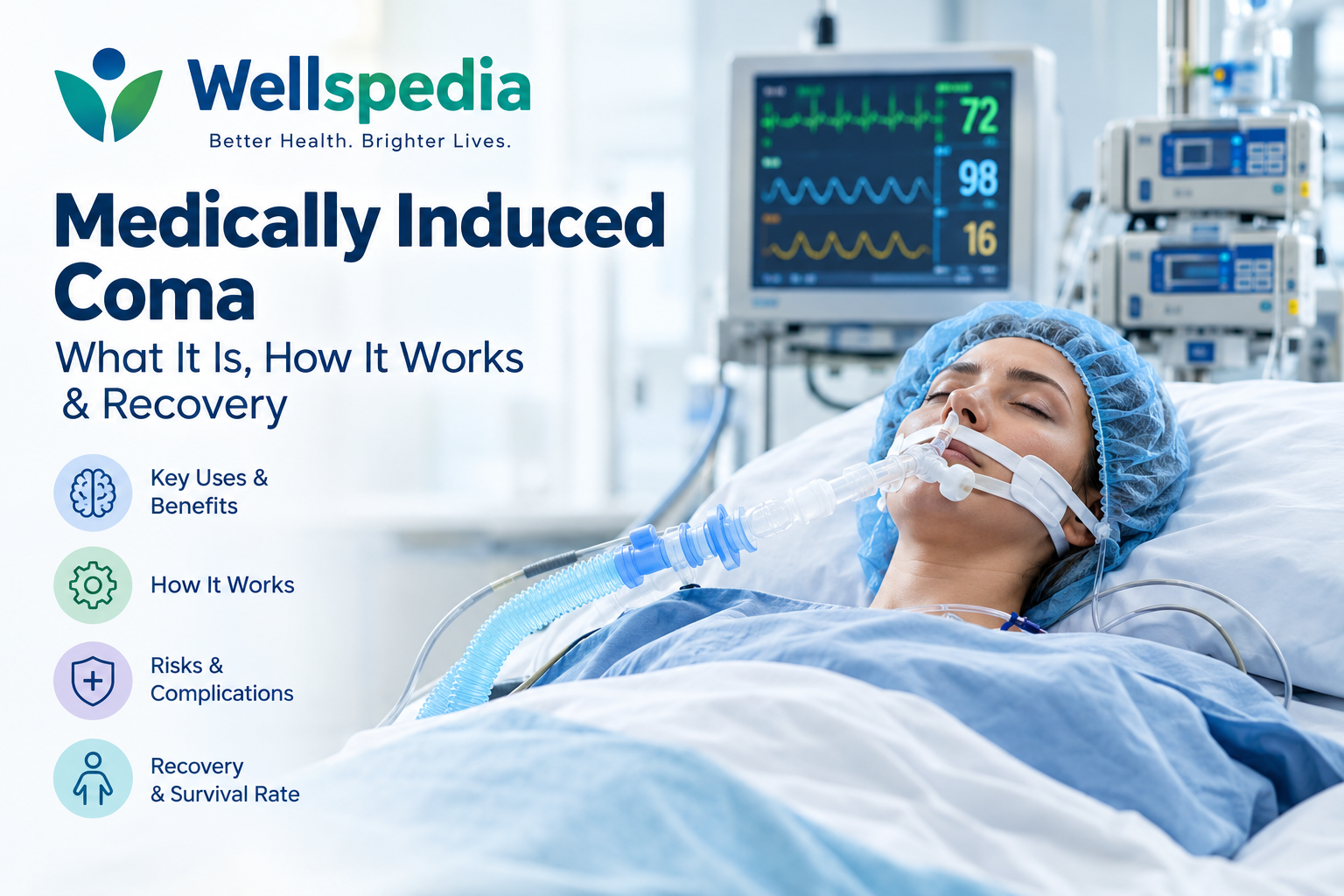
Medically Induced Coma: What It Is, Why Doctors Use It, and What Recovery Looks Like

A medically induced coma is a carefully controlled state of deep unconsciousness produced with medication in an intensive care unit (ICU). Doctors may use this approach when a patient has a serious neurological condition, seizures that do not respond to standard treatment, or
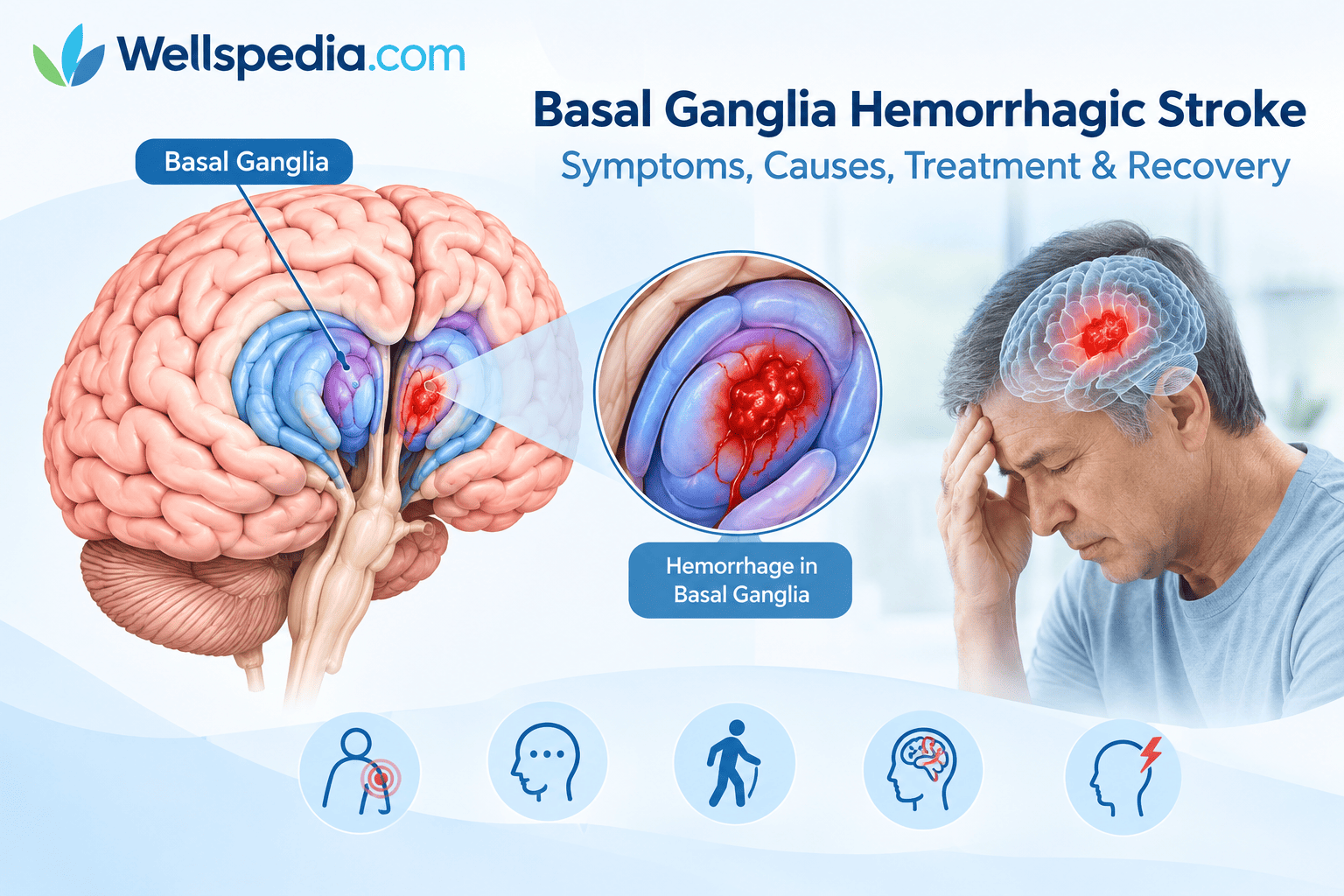
Basal Ganglia Hemorrhagic Stroke: Symptoms, Causes, Treatment and Recovery

A basal ganglia hemorrhagic stroke occurs when a blood vessel ruptures and causes bleeding in the basal ganglia, a group of deep brain structures involved in movement and other important functions. The bleeding can injure surrounding brain tissue, increase pressure inside the skull,

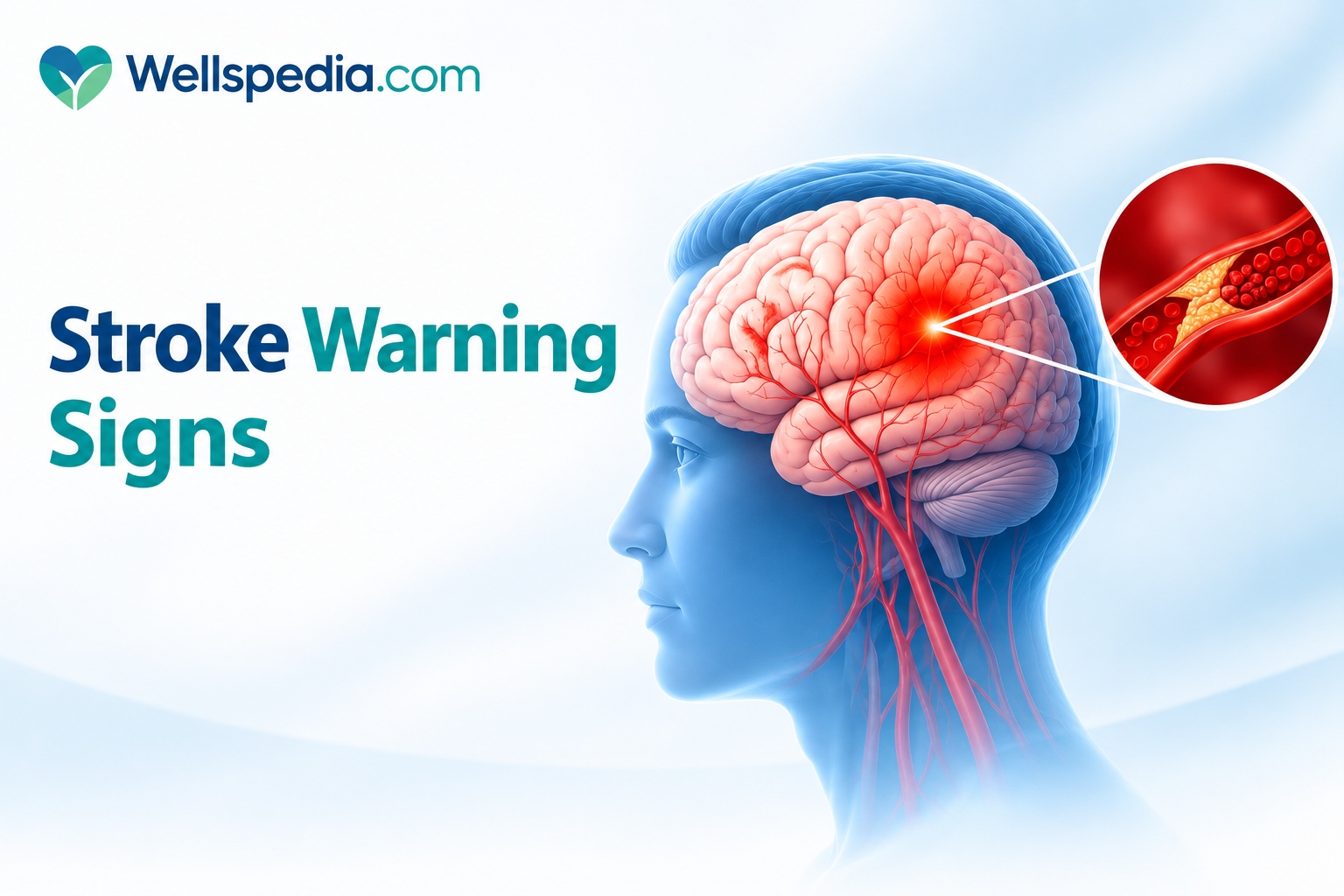
Stroke: Warning Signs, Causes, Risk Factors, Prevention and Recovery

A stroke occurs when the blood supply to part of the brain is interrupted or when a blood vessel in the brain bursts. Without enough oxygen and nutrients, brain cells can become damaged within minutes, making a stroke a medical emergency. The effects

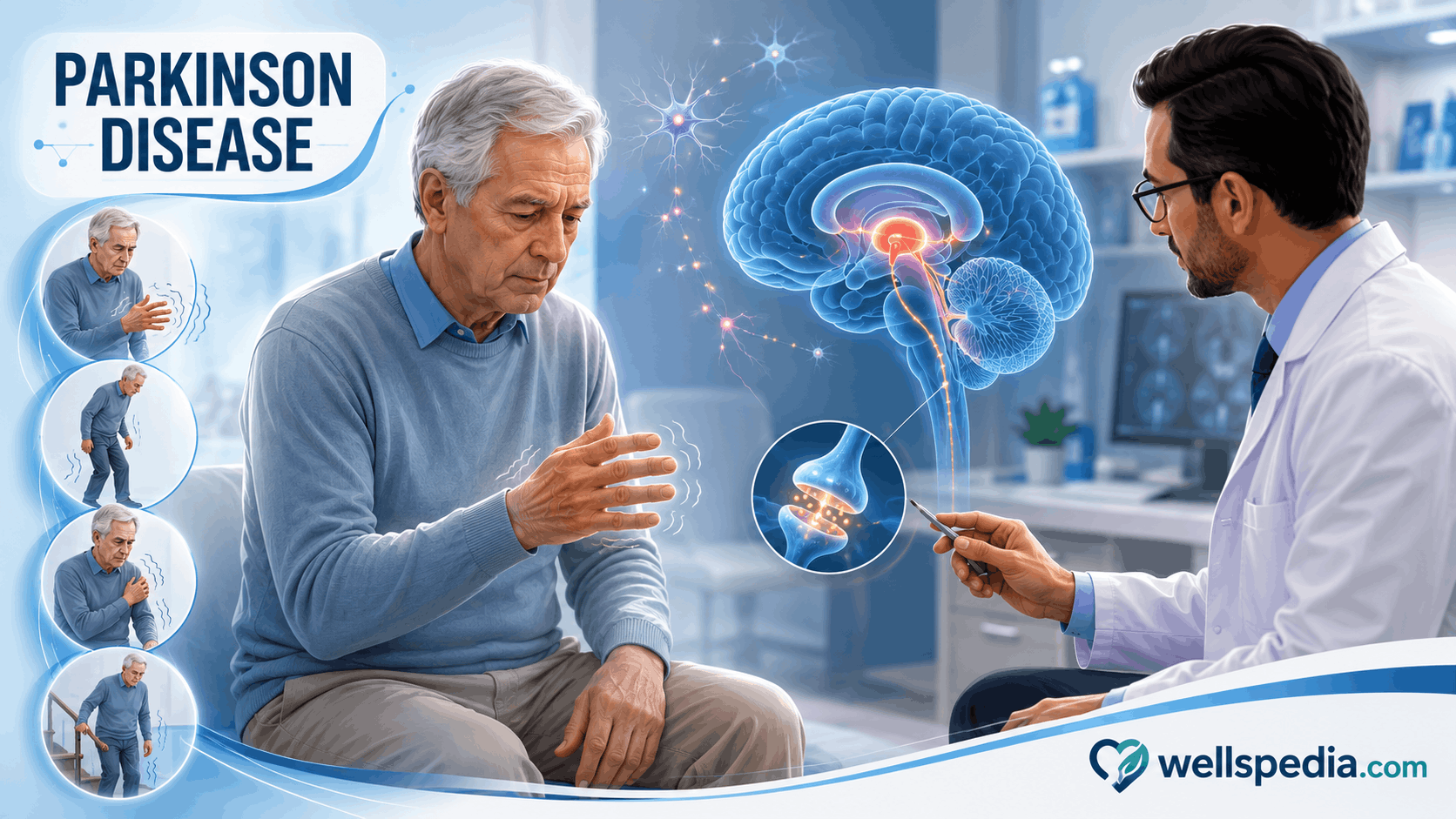
Early Signs of Parkinson’s Disease: 10 Symptoms to Know

Parkinson’s disease is a progressive neurological condition that affects movement and can also cause a range of non-movement symptoms. The most recognised movement symptoms include tremor, slow movement and muscle stiffness, but some people experience other changes before or alongside these symptoms. Recognising

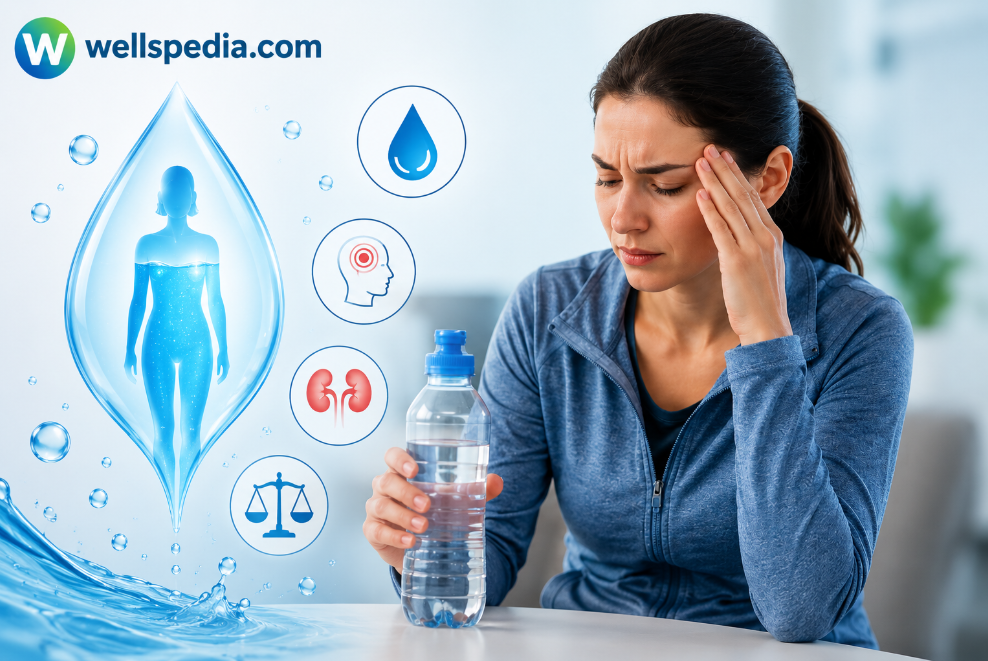
Understanding Overhydration: Can Drinking Too Much Water Be Dangerous?

Understanding Overhydration is important because drinking too much water can be just as harmful as dehydration. While water is essential for overall health, excessive intake may dilute sodium levels, leading to electrolyte imbalance and, in severe cases, water intoxication. This guide explains the

Can Coconut Oil Help Fight Alzheimer’s Disease? Understanding the Science

Introduction Alzheimer’s disease is one of the most common causes of dementia, affecting millions of people worldwide. It gradually damages memory, thinking abilities, and everyday functioning, making it increasingly difficult for individuals to live independently. Despite significant advances in medical research, there is

The Growing Brain: Why Children Are More Vulnerable to Seizures.

Doctors often repeat a powerful truth: “Children are not just small adults.”This statement becomes especially important when discussing epilepsy in childhood. Epilepsy is one of the most common neurological disorders worldwide, affecting approximately 7 out of every 1,000 people. Research from the Epilepsy Foundation also