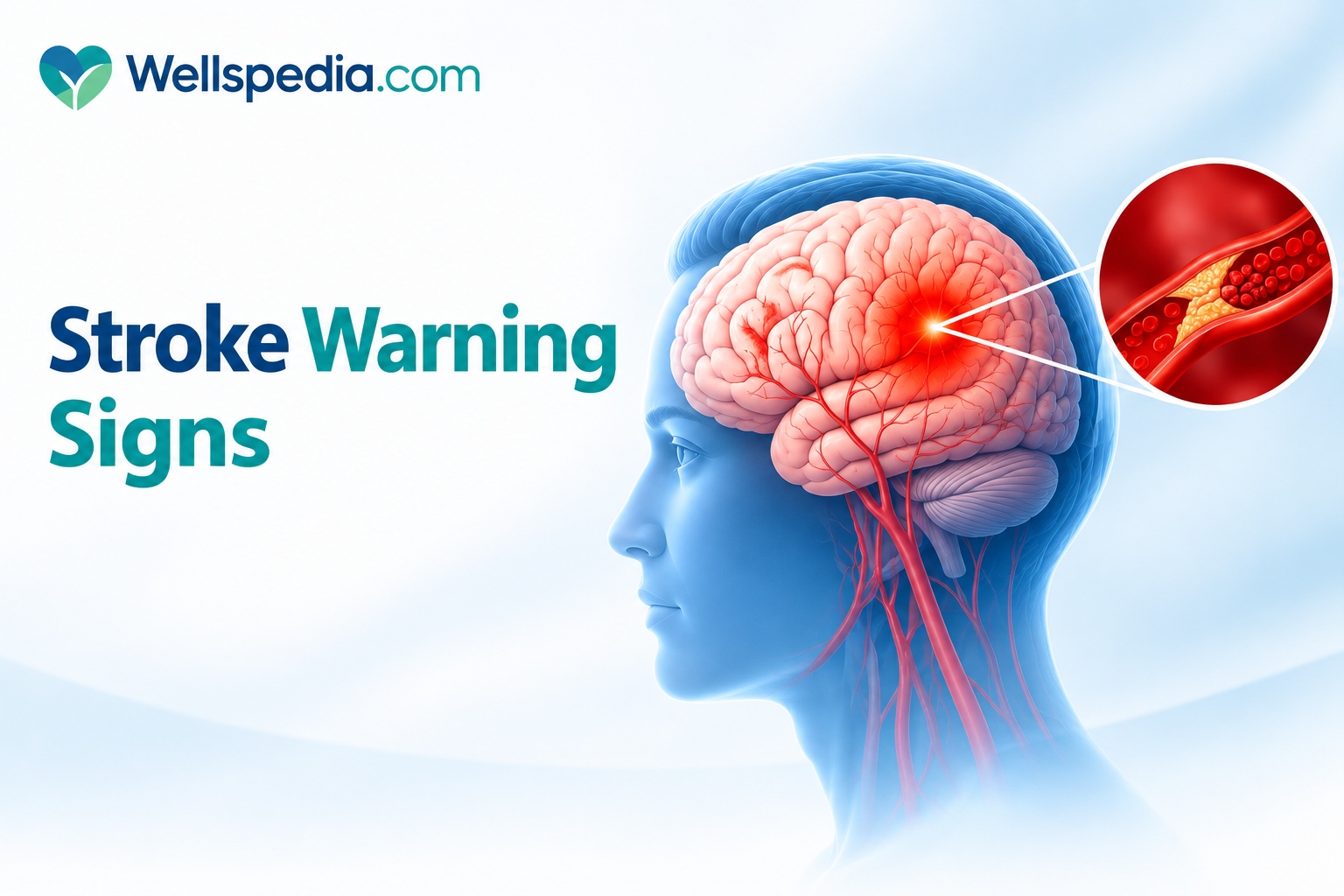
Stroke: Warning Signs, Causes, Risk Factors, Prevention and Recovery

A stroke occurs when the blood supply to part of the brain is interrupted or when a blood vessel in the brain bursts. Without enough oxygen and nutrients, brain cells can become damaged within minutes, making a stroke a medical emergency. The effects

Pelvic Floor Disorders: Symptoms, Causes, Types, Diagnosis, and Treatment

What Are Pelvic Floor Disorders? Pelvic floor disorders occur when the muscles, connective tissues, or nerves in the pelvic region do not function normally. These structures support several important organs and help control urination, bowel movements, and sexual function. The pelvic floor sits

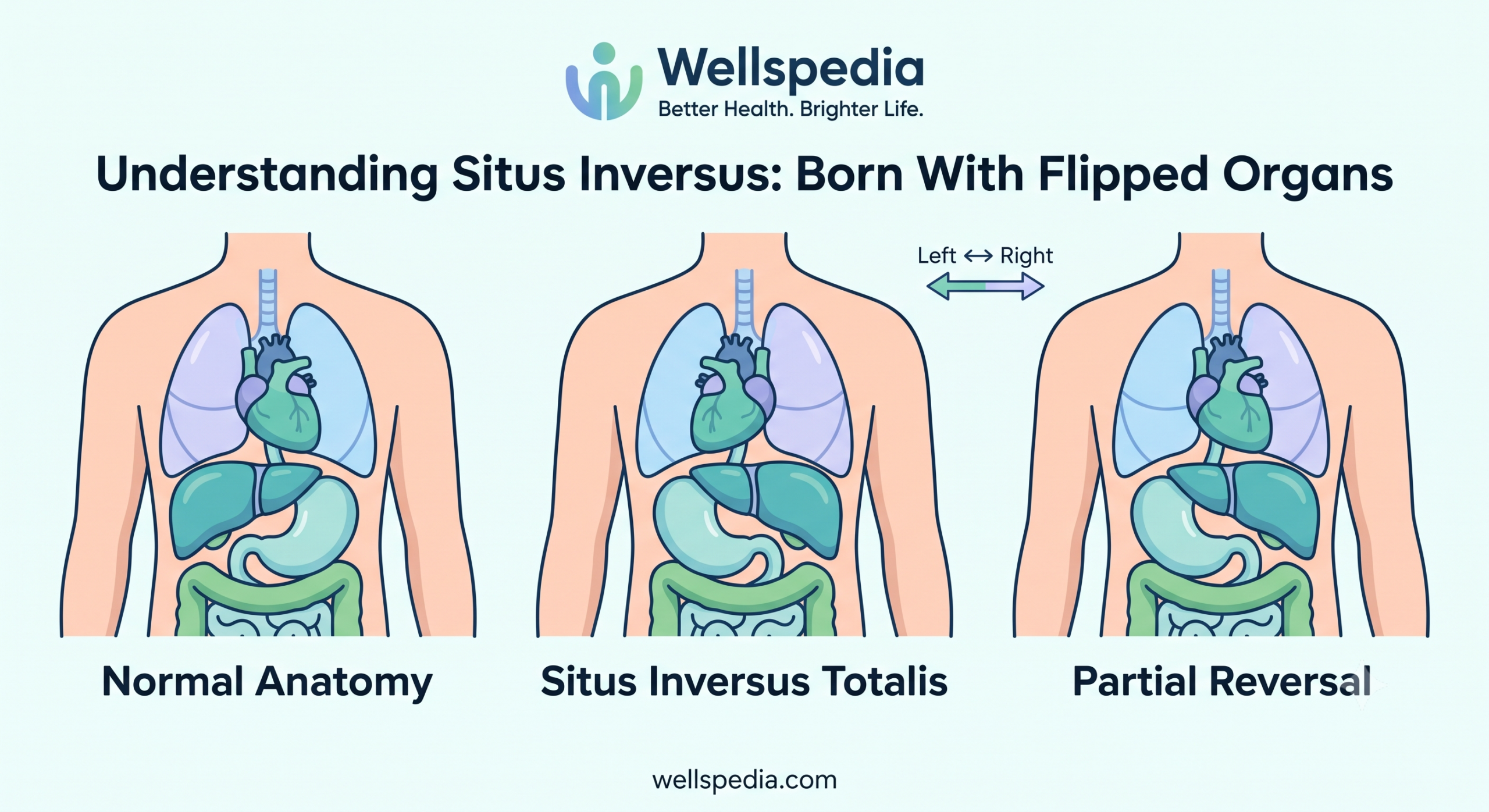
Understanding Situs Inversus: Born With “Flipped” Organs

Imagine discovering that your heart, liver, stomach, and other internal organs are positioned almost like a mirror image of the usual human anatomy. This unusual arrangement is called situs inversus. Situs inversus is a rare condition that develops before birth when the body’s

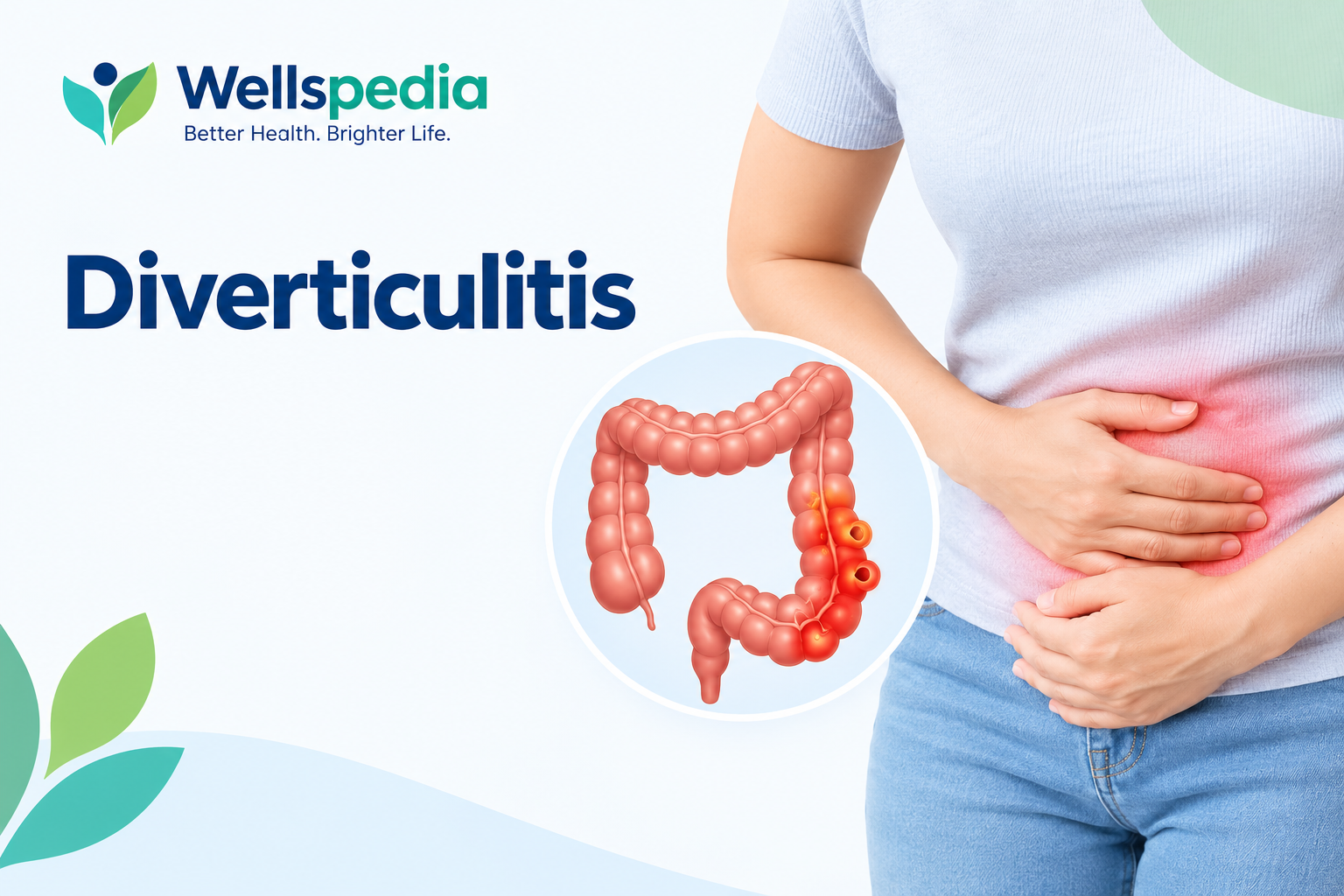
Diverticulitis: Symptoms, Treatment, Diet, Foods to Eat and Avoid, and Recovery

What Is Diverticulitis? Diverticulitis is a digestive condition that occurs when small pouches, known as diverticula, develop inflammation in the wall of the large intestine. Depending on the severity, it may cause abdominal pain, fever, nausea, changes in bowel movements, and other digestive symptoms.

Cancer Fatigue: Causes, Symptoms, Treatment, and Ways to Manage Extreme Tiredness

Cancer can affect the body in many ways, but one of the most difficult symptoms for many patients is cancer fatigue. It is more than ordinary tiredness. A person may feel physically weak, mentally exhausted, or unable to complete everyday activities even after

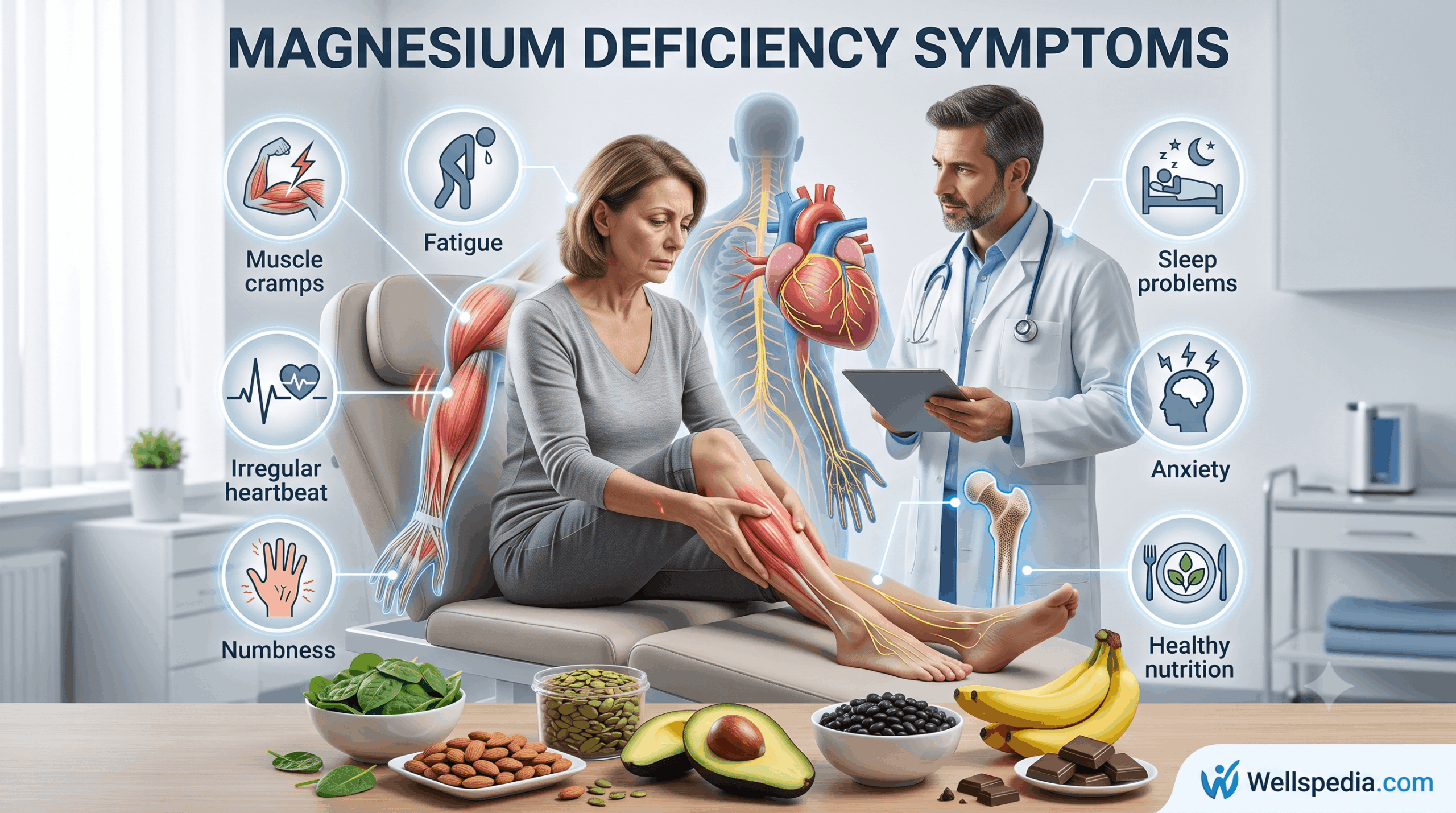
Magnesium Deficiency Symptoms: 12 Early Signs You Should Never Ignore

Magnesium Deficiency Symptoms Magnesium is an essential mineral that supports hundreds of functions in the body, including muscle movement, nerve function, heart rhythm, and bone health. When your magnesium levels become too low, you may develop symptoms that affect your daily life. Recognizing

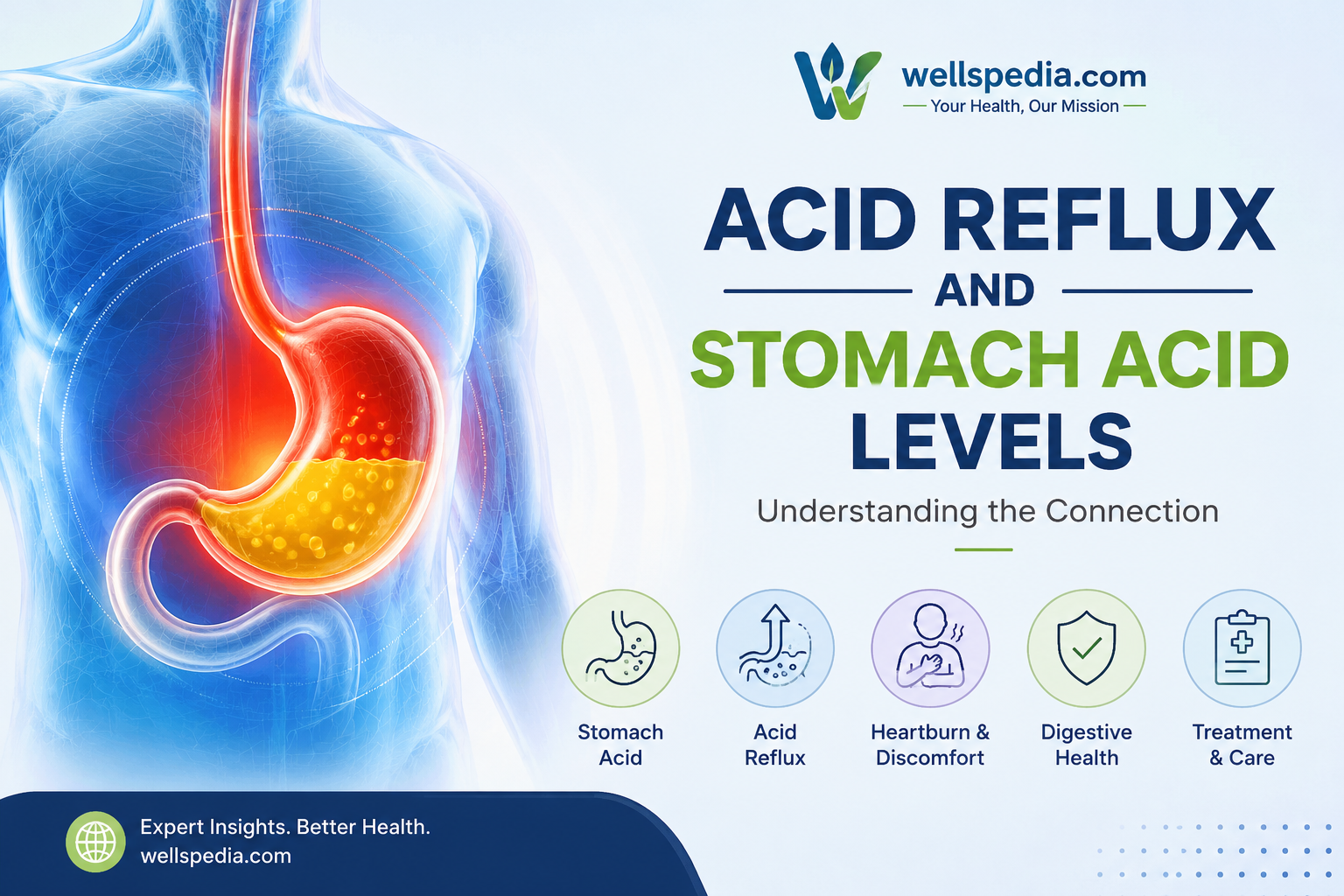
Emerging Perspective: Can Low Stomach Acid Lead to GERD?

Gastroesophageal reflux disease (GERD) is commonly associated with excessive stomach acid. However, recent research suggests that this traditional view may not explain every case of acid reflux. Some experts believe that low stomach acid (hypochlorhydria) may contribute to reflux symptoms in certain individuals

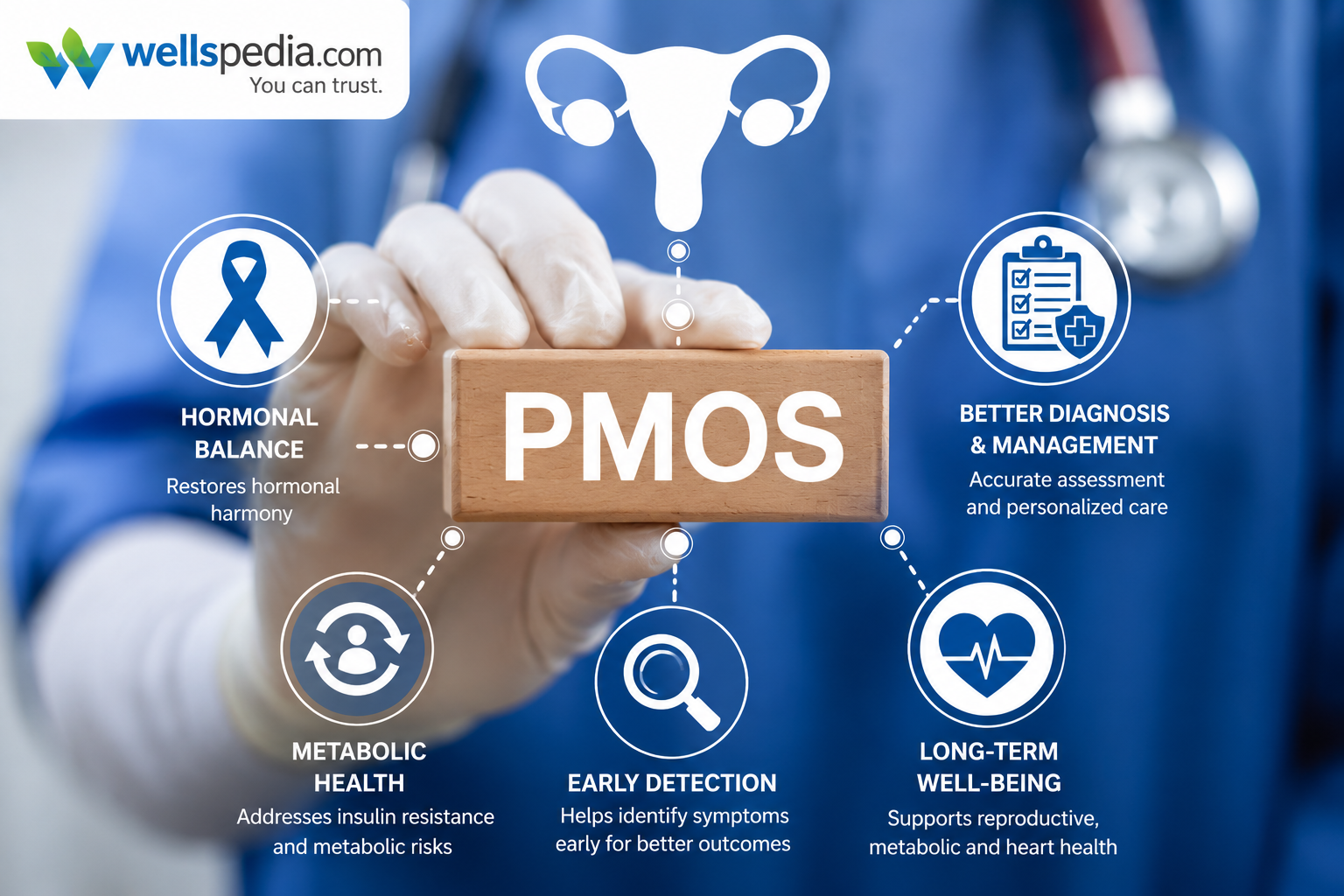
PCOS vs PMOS: What Does the Name Change Mean? Symptoms, Causes & Treatment

PCOS vs PMOS is becoming an important topic in women’s health as medical experts propose a new name for Polycystic Ovary Syndrome. While the condition itself has not changed, the proposed term Polyendocrine Metabolic Ovarian Syndrome (PMOS) better reflects its effects on hormones,

Understanding Overhydration: Can Drinking Too Much Water Be Dangerous?

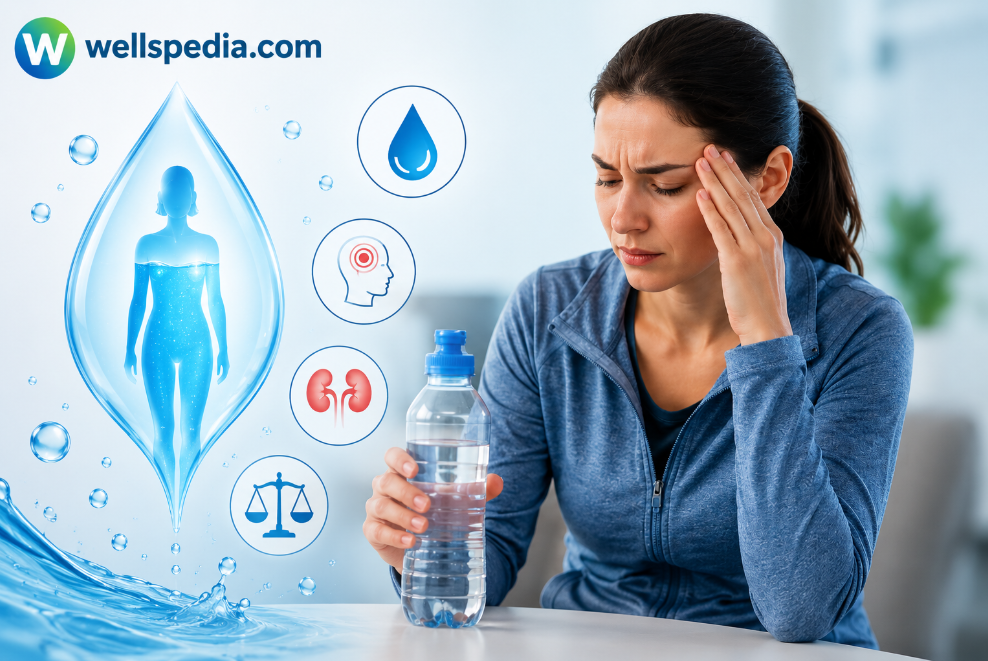
Understanding Overhydration is important because drinking too much water can be just as harmful as dehydration. While water is essential for overall health, excessive intake may dilute sodium levels, leading to electrolyte imbalance and, in severe cases, water intoxication. This guide explains the

Knee Pain: Causes, Symptoms, Treatment & Prevention

Knee pain is one of the most common musculoskeletal problems affecting people of all ages. Whether it develops after a sports injury, due to aging, or because of an underlying medical condition, knee pain can make everyday activities such as walking, climbing stairs,