Diverticulitis: Symptoms, Treatment, Diet, Foods to Eat and Avoid, and Recovery
What Is Diverticulitis?
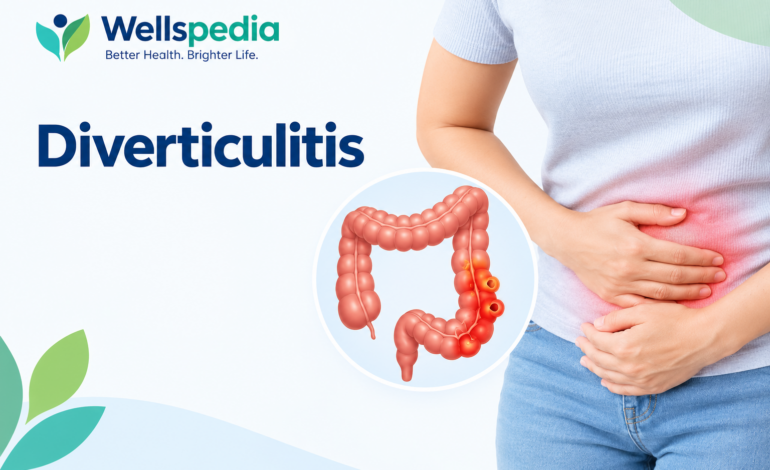
Diverticulitis is a digestive condition that occurs when small pouches, known as diverticula, develop inflammation in the wall of the large intestine. Depending on the severity, it may cause abdominal pain, fever, nausea, changes in bowel movements, and other digestive symptoms.
The condition is closely related to diverticulosis, but the two terms do not mean the same thing.
Diverticulosis means that small pouches have formed in the colon. Most people with diverticulosis have no symptoms.
Diverticulitis occurs when one or more of these pouches become inflamed and sometimes infected. It can range from a mild episode that improves with outpatient care to a serious condition involving an abscess, perforation, or infection inside the abdomen.
Pasted markdown
Understanding this difference can help you recognize symptoms and know when medical attention is necessary.
Diverticulosis vs. Diverticulitis: What Is the Difference?
Although their names sound similar, these conditions have important differences.
| Diverticulosis | Diverticulitis |
|---|---|
| Small pouches are present in the colon | One or more pouches become inflamed |
| Usually causes no symptoms | Can cause significant abdominal pain |
| Often discovered accidentally | Often requires medical evaluation |
| Usually does not need treatment | Treatment depends on severity |
| Usually not an emergency | Severe cases can become an emergency |
Most people who have diverticulosis never develop diverticulitis.
Pasted markdown
What Are Diverticula?
Diverticula are small sac-like bulges that push outward through weaker areas of the colon wall.
They commonly occur in the sigmoid colon, which is the lower portion of the large intestine. Pressure inside the colon, changes associated with aging, and alterations in the tissues of the intestinal wall may contribute to their formation.
Pasted markdown
Diverticula become increasingly common with age. However, having these pouches does not automatically mean a person will develop diverticulitis.
Diverticulitis Symptoms
Recognizing the symptoms of diverticulitis is important because the condition can sometimes progress to complications.
The most common diverticulitis symptoms include:
-
Persistent abdominal pain
-
Tenderness in the abdomen
-
Fever or chills
-
Nausea
-
Vomiting
-
Bloating
-
Constipation
-
Diarrhea
-
Reduced appetite
-
Fatigue
The pain is often felt in the lower-left side of the abdomen, although right-sided diverticulitis can occur in some people.
Pasted markdown
What Does a Diverticulitis Flare-Up Feel Like?
A diverticulitis flare-up often causes abdominal pain that remains fairly constant rather than coming and going like typical intestinal cramps.
The discomfort may begin gradually and become stronger over several hours or days. Fever, bowel changes, nausea, or abdominal tenderness may occur at the same time.
If abdominal pain becomes severe or progressively worse, especially when accompanied by fever or vomiting, medical assessment is important.
What Causes Diverticulitis?
There is no single cause of diverticulitis. Several factors may influence whether diverticula become inflamed.
Potential contributors include:
Low-Fiber Eating Patterns
A diet that consistently contains little fiber may contribute to harder stools and changes in bowel function. Research also links low fiber intake and higher red-meat consumption with increased diverticulitis risk.
Aging
The structure and function of the colon can change as people age, making diverticula more likely to develop.
Obesity
Excess body weight has been associated with a higher risk of diverticulitis and complications.
Physical Inactivity
A sedentary lifestyle may affect bowel movement and overall digestive health.
Smoking
Smoking is associated with an increased risk of diverticular complications.
Certain Medications
Some medicines, including nonsteroidal anti-inflammatory drugs (NSAIDs) and corticosteroids, have been associated with diverticular complications.
Gut Microbiome and Other Factors
Researchers are also studying the role of gut bacteria, intestinal connective tissue, immune responses, and genetic factors in diverticular disease.
Who Is More Likely to Develop Diverticulitis?
The likelihood of developing diverticular disease increases with age. Other factors may also contribute, including:
-
Low dietary fiber intake
-
Obesity
-
Smoking
-
Lack of regular exercise
-
Higher intake of red meat
-
Certain medications
-
Previous episodes of diverticulitis
-
Genetic susceptibility
Having one or more risk factors does not mean that diverticulitis will definitely develop.
Complicated vs. Uncomplicated Diverticulitis
Doctors generally consider diverticulitis either uncomplicated or complicated.
Uncomplicated Diverticulitis
This means inflammation is present without major complications such as an abscess, bowel obstruction, fistula, or perforation.
Many uncomplicated cases can be managed without hospitalization when the person is otherwise stable.
Pasted markdown
Complicated Diverticulitis
More serious disease may involve:
-
An abscess
-
Perforation of the colon
-
Peritonitis
-
Fistula formation
-
Bowel obstruction
These complications may require hospitalization, intravenous treatment, drainage procedures, or surgery.
Pasted markdown
Stages of Severe Diverticulitis
Healthcare professionals may use the Hinchey classification to describe complicated diverticulitis.
-
Stage I: Local inflammation or a small abscess near the colon
-
Stage II: A larger abscess within the abdomen or pelvis
-
Stage III: Perforation accompanied by pus within the abdominal cavity
-
Stage IV: Free perforation with contamination by intestinal contents
The more advanced stages represent serious medical conditions requiring urgent treatment.
Pasted markdown
How Is Diverticulitis Diagnosed?
A healthcare professional usually considers your symptoms, medical history, physical examination, and test results.
Physical Examination
The location and severity of abdominal tenderness can provide important clues.
Blood Tests
Blood tests may help identify signs of inflammation or infection, such as elevated white blood cell counts or inflammatory markers.
CT Scan
A CT scan of the abdomen and pelvis is commonly used to confirm diverticulitis and identify complications such as an abscess or perforation.
Pasted markdown
Colonoscopy
Colonoscopy is generally not performed during an acute attack because the inflamed colon may be more vulnerable to injury.
After recovery, a clinician may recommend colonoscopy in appropriate patients to evaluate the colon and rule out other conditions, including colorectal cancer.
Pasted markdown
Conditions That Can Look Like Diverticulitis
Several health conditions can produce similar abdominal symptoms.
Doctors may need to distinguish diverticulitis from:
-
Irritable bowel syndrome
-
Appendicitis
-
Colorectal cancer
-
Crohn’s disease
-
Ulcerative colitis
-
Kidney stones
-
Urinary tract infections
-
Certain gynecological conditions
For example, kidney stones often cause severe pain that begins in the side or back and may move toward the groin, while diverticulitis more commonly produces localized abdominal pain.
Pasted markdown
Diverticulitis Treatment
The appropriate diverticulitis treatment depends on the severity of the condition and whether complications are present.
Treatment for Mild Diverticulitis
For selected people with uncomplicated diverticulitis, treatment may include:
-
Rest
-
Adequate fluid intake
-
Temporary dietary modification
-
Appropriate pain management
-
Close follow-up with a healthcare professional
Antibiotics are not automatically required for every healthy adult with mild uncomplicated diverticulitis. Current guidance supports selective antibiotic use, particularly when risk factors or more severe features are present.
Never start or stop antibiotics without medical advice.
Treatment for Complicated Diverticulitis
More serious cases may require hospital treatment.
Depending on the complication, treatment can include:
-
Intravenous fluids
-
Intravenous antibiotics
-
Pain management
-
Drainage of an abscess
-
Surgery
An abscess that cannot be adequately treated with medication may sometimes require image-guided drainage.
Do You Need Surgery for Diverticulitis?
Not everyone with diverticulitis needs surgery.
Surgery may be considered when complications occur or when recurrent disease substantially affects a person’s quality of life.
Possible reasons for surgery include:
-
Perforation
-
Persistent or complicated infection
-
Bowel obstruction
-
Fistula
-
Failure of medical treatment
-
Selected recurrent cases
A surgeon may remove the affected section of the colon through a procedure known as segmental colon resection. In some complicated situations, a temporary or permanent stoma may be required.
Pasted markdown
The decision should be individualized rather than based simply on the number of previous attacks. Current guidance recommends discussing elective surgery with a specialist when recurrent uncomplicated diverticulitis significantly affects quality of life.
Diverticulitis Diet: What Should You Eat?
One of the most searched questions is: What can you eat with diverticulitis?
The answer depends heavily on whether you are experiencing an acute flare-up, recovering from one, or feeling completely well.
During an Acute Flare-Up
For some people with acute symptoms, a healthcare professional may recommend a clear-liquid diet temporarily.
Possible options can include:
-
Water
-
Clear broth
-
Pulp-free fruit juice
-
Gelatin
-
Ice pops without fruit pieces
-
Tea or coffee without milk or cream
A clear-liquid diet is not intended for long-term use because it does not provide enough fiber and nutrients.
Low-Fiber Foods During Recovery
As symptoms improve, some people may gradually transition from clear liquids to low-fiber foods.
Examples may include:
-
White rice
-
White bread
-
Plain pasta
-
Applesauce
-
Bananas
-
Cooked or canned fruits without skins
-
Soft cooked vegetables
-
Eggs
-
Tofu
-
Lean poultry
-
Fish
-
Yogurt or other dairy products if tolerated
The diet should be advanced gradually according to symptoms and medical advice.
High-Fiber Diet After Recovery
Once the acute episode has settled, gradually returning to a balanced, fiber-rich eating pattern can support long-term bowel health.
Good sources of fiber include:
-
Fruits
-
Vegetables
-
Beans
-
Lentils
-
Whole grains
-
Oats
-
Nuts
-
Seeds
Fiber should generally be increased gradually, especially if your usual diet is low in fiber. Drinking enough fluids can also help the digestive system tolerate increased fiber.
Foods to Avoid With Diverticulitis
There is an important distinction between foods that may be difficult to tolerate during a flare and foods that need to be avoided permanently.
During an acute episode, your healthcare professional may temporarily recommend limiting high-fiber foods while symptoms are significant.
Depending on individual tolerance, foods that may worsen digestive discomfort include:
-
Very greasy meals
-
Fried foods
-
Highly spicy foods
-
Large meals
-
Excessive alcohol
-
Foods that personally trigger bloating or discomfort
Once you recover, there is generally no universal list of foods that every person with diverticular disease must permanently avoid.
Can You Eat Nuts, Seeds, or Popcorn With Diverticulitis?
Generally, yes.
The old advice that nuts, seeds, corn, and popcorn become trapped inside diverticula and cause diverticulitis is not supported by current evidence. People with diverticular disease generally do not need to eliminate these foods simply because they contain small seeds or kernels.
However, during an acute flare, your healthcare professional may temporarily recommend reducing fiber depending on your symptoms.
Lifestyle Changes That May Reduce Future Flare-Ups
Diet is only one part of long-term diverticulitis management.
1. Eat More Fiber After Recovery
A balanced, fiber-rich diet may help reduce the risk of future problems.
2. Stay Physically Active
Regular exercise supports bowel function and overall health.
3. Maintain a Healthy Weight
Achieving or maintaining a healthy weight may help lower the risk of recurrence and complications.
4. Avoid Smoking
Smoking is associated with diverticular complications, so quitting can be beneficial.
5. Limit Heavy Alcohol Use
Heavy alcohol consumption may contribute to overall digestive and health risks.
6. Review NSAID Use
Frequent NSAID use may increase the risk of diverticular complications. Ask your healthcare professional whether alternative pain-management options are appropriate.
How Long Does Diverticulitis Take to Heal?
Recovery time varies from one person to another.
People with uncomplicated disease may begin feeling better within several days after appropriate treatment. More complicated cases can require a longer recovery period and sometimes hospitalization.
The original source notes that uncomplicated cases may improve within days, with recovery often taking around two weeks, while complicated cases can take longer.
Pasted markdown
If symptoms are not improving or are getting worse, contact a healthcare professional rather than continuing home treatment on your own.
Can Diverticulitis Come Back?
Yes. Diverticulitis can recur, although recurrence is not inevitable.
The risk varies depending on factors such as the severity of the original episode, overall health, lifestyle factors, and individual susceptibility.
Maintaining a healthy diet, exercising regularly, avoiding smoking, maintaining a healthy weight, and following medical advice may help reduce future risk.
When Should You Seek Emergency Medical Care?
Do not ignore severe or rapidly worsening abdominal symptoms.
Seek urgent medical attention if you experience:
-
Severe abdominal pain
-
Increasing abdominal tenderness
-
High fever or chills
-
Persistent vomiting
-
Inability to keep fluids down
-
Significant rectal bleeding
-
Fainting or severe weakness
-
A swollen or rigid abdomen
-
Symptoms suggesting infection or perforation
Complications such as perforation and peritonitis can become medical emergencies.
Pasted markdown
Frequently Asked Questions About Diverticulitis
Is diverticulitis curable?
An episode of diverticulitis can usually be treated successfully. However, the diverticula themselves generally remain in the colon.
What does diverticulitis stool look like?
Bowel movements may become looser or harder, and some people experience diarrhea or constipation. Blood in the stool should always be medically evaluated.
Can diverticulitis cause diarrhea?
Yes. Diarrhea can occur during diverticulitis, although constipation can also occur.
Can diverticulitis cause bleeding?
Bleeding can occur with diverticular disease, but significant rectal bleeding requires medical assessment because bleeding can have several causes.
Does diverticulitis turn into cancer?
Diverticulitis does not simply transform into colorectal cancer. However, some symptoms can overlap, which is one reason appropriate follow-up may be recommended after an episode.
What should I eat during a diverticulitis flare-up?
Depending on the severity, your healthcare professional may recommend clear liquids or a temporary low-fiber diet before gradually returning to normal foods.
Are nuts and seeds bad for diverticulitis?
Current evidence does not support routinely avoiding nuts, seeds, corn, or popcorn simply because you have diverticular disease.
Can you prevent diverticulitis?
There is no guaranteed way to prevent every episode, but a healthy eating pattern rich in fiber after recovery, regular physical activity, maintaining a healthy weight, avoiding smoking, limiting heavy alcohol use, and minimizing unnecessary NSAID use may lower risk.
Final Takeaway
Diverticulitis is an inflammation of pouches that form in the colon, while diverticulosis simply describes the presence of those pouches. Most people with diverticulosis never develop diverticulitis, but an inflamed diverticulum can cause persistent abdominal pain, fever, nausea, and bowel changes.
Treatment depends on whether the condition is uncomplicated or complicated. Mild cases may be managed with supportive care and dietary adjustments, while severe cases can require hospitalization, drainage, antibiotics, or surgery.
For long-term digestive health, focus on a balanced, fiber-rich diet after recovery, regular physical activity, adequate hydration, healthy weight management, and avoiding smoking. Current evidence also shows that people with diverticular disease generally do not need to avoid nuts, seeds, or popcorn routinely.
Important: This article is for general health education and does not replace an examination or diagnosis from a qualified healthcare professional. If you have severe abdominal pain, fever, persistent vomiting, significant bleeding, or worsening symptoms, seek medical care promptly.