Basal Ganglia Hemorrhagic Stroke: Symptoms, Causes, Treatment and Recovery
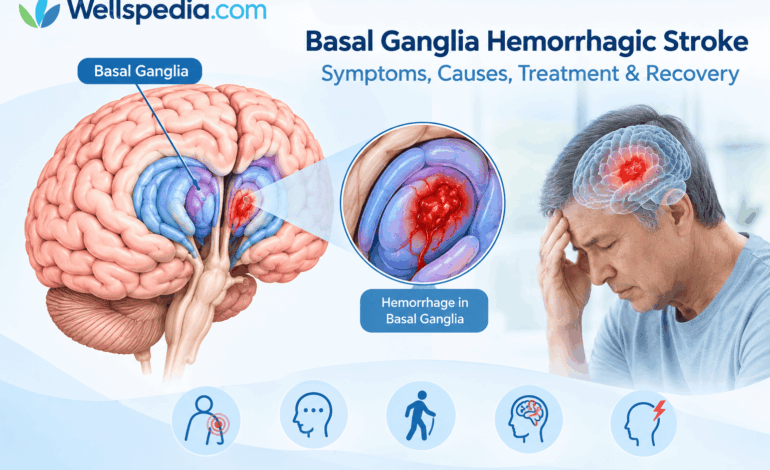
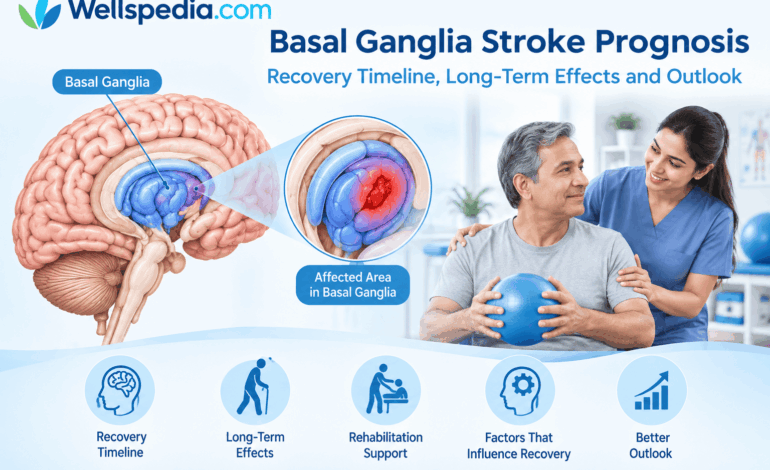
A basal ganglia hemorrhagic stroke occurs when a blood vessel ruptures and causes bleeding in the basal ganglia, a group of deep brain structures involved in movement and other important functions. The bleeding can injure surrounding brain tissue, increase pressure inside the skull, and lead to sudden neurological symptoms.
This type of stroke requires urgent medical attention. Early diagnosis, careful hospital management, and appropriate rehabilitation can help manage complications and support recovery. The outcome varies according to the amount of bleeding, its location, the person’s overall health, and the treatment required.
What Is a Basal Ganglia Hemorrhagic Stroke?
The basal ganglia are located deep within the brain. They help regulate voluntary movement, muscle control, coordination, and aspects of learning and behavior.
A hemorrhagic stroke happens when a blood vessel breaks and blood leaks into or around the brain. When bleeding occurs directly within the brain tissue, it is called an intracerebral hemorrhage (ICH).
The basal ganglia are one location where intracerebral bleeding can occur. Blood accumulating in this region may damage nearby structures and interfere with the brain’s normal communication pathways.
A basal ganglia hemorrhage is different from a basal ganglia infarct. An infarct generally refers to brain tissue injury caused by inadequate blood supply, whereas a hemorrhagic stroke involves bleeding.
Read more about the different types, symptoms, treatment, and recovery of basal ganglia stroke.
What Causes Basal Ganglia Hemorrhage?
Several conditions can weaken brain blood vessels or increase the likelihood of bleeding. The cause must be evaluated by a medical team.
1. High Blood Pressure
Long-term uncontrolled high blood pressure can damage small blood vessels in the brain. Over time, these vessels may become more vulnerable to rupture.
High blood pressure is an important risk factor for spontaneous intracerebral hemorrhage. Regular blood pressure monitoring and appropriate treatment can help reduce future risk.
2. Blood Vessel Abnormalities
Some people have abnormal blood vessels that can rupture and cause bleeding. Examples include arteriovenous malformations (AVMs) and certain aneurysms.
Doctors may recommend additional imaging when the patient’s age, medical history, scan findings, or other clinical features suggest an underlying vascular abnormality.
3. Blood-Thinning Medicines
Anticoagulants and some other medicines that affect blood clotting can increase bleeding risk. In some cases, these medicines may make an existing brain hemorrhage more serious.
People taking these medicines should tell emergency clinicians the medication name, dose, and time of the last dose. Do not independently stop or change prescribed medication without medical guidance.
4. Blood Vessel Disease
Small-vessel disease can weaken the walls of blood vessels over time. Age-related changes and other underlying vascular conditions may contribute to intracerebral bleeding.
5. Head Injury
A traumatic brain injury can cause bleeding in or around the brain. When hemorrhage follows an injury, doctors assess whether the bleeding is traumatic and determine the appropriate treatment.
6. Other Medical Conditions
Certain bleeding disorders, abnormalities of blood clotting, and less common vascular or medical conditions may also contribute to brain hemorrhage.
The exact cause cannot reliably be determined from symptoms alone. Medical history, brain imaging, blood tests, and sometimes additional investigations are needed.
Basal Ganglia Hemorrhagic Stroke Symptoms
Symptoms may develop suddenly. Their type and severity depend on the location and size of the hemorrhage, the amount of surrounding brain tissue affected, and whether pressure inside the skull increases.
Possible symptoms include:
- Sudden weakness or numbness, particularly on one side of the body
- Facial drooping
- Difficulty speaking or understanding speech
- Trouble walking, standing, or maintaining balance
- Changes in coordination or movement
- Sudden confusion or reduced alertness
- Severe or sudden headache
- Nausea or vomiting
- Difficulty swallowing
- Seizures in some cases
- Loss of consciousness in severe cases
Not everyone experiences every symptom. A hemorrhage can also cause serious problems without a dramatic headache.
Emergency warning: If someone suddenly develops facial drooping, arm weakness, speech difficulty, loss of balance, a severe headache, or reduced consciousness, seek emergency medical care immediately. Do not wait to see whether the symptoms disappear.
Right vs. Left Basal Ganglia Hemorrhage
The side of the brain affected can influence the symptoms a person experiences. Many movement and sensation pathways cross between the brain and the body, so damage on one side of the brain often affects the opposite side of the body.
Right Basal Ganglia Hemorrhage
A hemorrhage affecting the right basal ganglia may cause weakness, numbness, or movement difficulties on the left side of the body.
Some people may also experience problems with spatial awareness, attention, or recognizing objects and surroundings. The exact effects depend on the extent and precise location of the injury.
Left Basal Ganglia Hemorrhage
A hemorrhage affecting the left basal ganglia may cause weakness, numbness, or movement difficulties on the right side of the body.
When nearby language-related brain networks are affected, some people may develop difficulty speaking, finding words, or understanding language. Language dominance varies, so these effects are not identical in everyone.
Does the Side Determine Stroke Severity?
No. The side alone cannot establish how serious a hemorrhage is or predict recovery. The amount of bleeding, its location, the degree of pressure on surrounding tissue, the person’s initial neurological condition, and complications all influence the outcome.
For additional information, read our guide to right vs. left basal ganglia stroke symptoms and recovery.
How Is Basal Ganglia Hemorrhage Diagnosed?
Prompt diagnosis helps clinicians identify the bleeding and plan appropriate treatment.
1. Medical History and Neurological Examination
Doctors ask when the symptoms began, what changes occurred, which medicines the person takes, and whether there is a history of high blood pressure, bleeding disorders, or recent injury.
A neurological examination may assess alertness, speech, vision, strength, sensation, coordination, and other functions.
2. CT Scan of the Brain
A non-contrast CT scan is commonly used in emergency settings because it can quickly identify acute bleeding and show its location and approximate extent.
3. MRI of the Brain
An MRI may provide additional information about brain tissue injury, the age or pattern of bleeding, or possible underlying causes. It is used when clinically appropriate.
4. Blood Tests
Blood tests can help assess clotting, blood counts, glucose, kidney function, and other factors that may affect treatment.
5. Blood Vessel Imaging
In selected cases, doctors may use CT angiography, MR angiography, or other vascular studies to investigate an aneurysm, an AVM, or another possible cause.
The choice of tests depends on the clinical situation. Not every patient requires every investigation.
Treatment for Basal Ganglia Hemorrhagic Stroke
A basal ganglia hemorrhagic stroke generally requires emergency hospital care. Treatment focuses on stabilizing the patient, limiting further bleeding where possible, managing pressure and complications, and treating the underlying cause.
1. Blood Pressure Management
Clinicians monitor blood pressure and may use medication to lower it in a controlled manner. The target and speed of reduction depend on the patient’s condition and clinical guidelines.
Patients should not attempt to treat a suspected brain hemorrhage by taking extra blood pressure medication at home.
2. Reversal of Blood-Thinning Medicines
If anticoagulant medication contributed to the bleeding, clinicians may consider specific reversal treatments, depending on the medicine involved, the timing of the last dose, and the patient’s condition.
This is a specialist decision because the benefits and risks of reversal must be assessed urgently.
3. Management of Brain Swelling and Pressure
Bleeding can cause swelling or increased pressure inside the skull. Hospital teams monitor neurological status and use appropriate treatments when these complications occur.
Some patients need care in a stroke unit or neurocritical care unit for close observation and rapid intervention if their condition changes.
4. Neurosurgery or Other Procedures
Surgery is not necessary for every basal ganglia hemorrhage. Whether a procedure may help depends on factors such as the size and location of the bleed, the patient’s neurological condition, pressure effects, and the presence of a treatable underlying blood vessel abnormality.
A neurosurgical team may be consulted when indicated. Decisions are individualized because deep brain hemorrhages can be challenging to treat surgically.
5. Treatment of Complications
The medical team may also evaluate and manage seizures, swallowing difficulties, infections, blood clots, breathing problems, or other complications as needed.
Treatment should follow current specialist guidance and the patient’s individual clinical findings. The American Heart Association/American Stroke Association provides evidence-based recommendations for managing spontaneous intracerebral hemorrhage.
Complications of Basal Ganglia Hemorrhagic Stroke
Potential complications vary considerably. They may include:
- Movement difficulties: Weakness, reduced coordination, or difficulty walking.
- Speech and communication problems: Difficulty speaking clearly or expressing thoughts.
- Swallowing difficulties: Trouble swallowing safely, which may increase the risk of aspiration.
- Cognitive changes: Problems with attention, memory, planning, or processing information.
- Emotional changes: Anxiety, depression, irritability, or changes in behavior.
- Seizures: Some patients may develop seizures.
- Increased pressure in the skull: Bleeding and swelling can affect nearby brain structures.
- Reduced mobility complications: Immobility can increase the risk of blood clots, pressure injuries, and other problems.
Not every patient develops these complications. Early assessment and appropriate care can help identify problems and reduce preventable harm.
Recovery After Basal Ganglia Hemorrhagic Stroke
Recovery differs from person to person. Some people regain many of their previous abilities, while others continue to need help with movement, communication, personal care, or everyday activities.
Factors that can influence recovery include:
- The size and location of the hemorrhage
- The initial severity of neurological symptoms
- The development of swelling or other complications
- The person’s overall health and existing medical conditions
- Access to appropriate rehabilitation
- Support from family members and caregivers
Recovery may continue over months or longer. Progress is not always steady, and a specific timeline cannot be guaranteed.
Physical Therapy
Physical therapists help patients work on strength, balance, posture, transfers, walking, and safe movement according to their abilities.
Occupational Therapy
Occupational therapists help patients practise daily activities such as dressing, bathing, eating, and using household objects. They may recommend adaptations to improve safety and independence.
Speech and Swallowing Therapy
Speech-language therapists may support communication, speech clarity, language difficulties, and swallowing problems when these are present.
Cognitive and Emotional Support
Some people benefit from assessment and support for memory, attention, mood, behavior, or adjustment after stroke. Family education and caregiver support are also important.
Rehabilitation should be planned by qualified professionals. The timing and intensity of activity need to reflect medical stability and the individual’s needs; unsupervised strenuous activity immediately after a hemorrhage can be unsafe.
Can a Person Recover Fully From a Basal Ganglia Hemorrhagic Stroke?
Full recovery is possible for some people, but it cannot be promised. Others may have lasting weakness, movement problems, communication difficulties, or cognitive changes.
The treating team can provide a more meaningful estimate after reviewing brain imaging, neurological examinations, medical history, and progress over time. Prognosis should not be based on the stroke’s location alone.
Rehabilitation, prevention of complications, and follow-up care can help people work toward their individual recovery goals.
How Can the Risk of Another Hemorrhagic Stroke Be Reduced?
Prevention depends on the cause of the original hemorrhage and the person’s overall health. A clinician may recommend:
- Control blood pressure: Follow the prescribed treatment plan and attend regular check-ups.
- Review medicines: Discuss anticoagulants, antiplatelet medicines, and other drugs with the treating clinician.
- Attend follow-up appointments: Complete recommended investigations to identify and manage possible underlying causes.
- Avoid smoking: Seek support to stop smoking if needed.
- Discuss alcohol and other substances: Ask a healthcare professional about reducing risks associated with alcohol or recreational drugs.
- Follow a heart-healthy lifestyle: Adopt suitable physical activity and dietary habits once medically cleared.
- Follow the rehabilitation plan: Attend therapy and use recommended safety measures.
Do not start aspirin or another blood-thinning medicine to prevent another stroke unless a qualified clinician recommends it. The right prevention plan depends on whether the person had a hemorrhagic or ischemic stroke and on other medical factors.
When Should You Seek Emergency Medical Help?
A suspected brain hemorrhage is a medical emergency. Seek immediate emergency care if a person develops sudden:
- Facial drooping or one-sided weakness
- Difficulty speaking or understanding speech
- Loss of balance or coordination
- Severe headache, especially with neurological symptoms
- Confusion, repeated vomiting, or seizures
- Unusual drowsiness or loss of consciousness
Do not drive the affected person yourself if emergency medical transport is available. Note the time symptoms began or when the person was last known to be well, and share this information with emergency responders.
Do not give food, drink, aspirin, or other medication to someone with suspected stroke unless emergency professionals instruct you to do so.
Frequently Asked Questions
1. What is a basal ganglia hemorrhagic stroke?
It is a type of hemorrhagic stroke in which a blood vessel bleeds into the basal ganglia, a group of structures located deep within the brain. The bleeding may damage nearby tissue and disrupt movement or other neurological functions.
2. What is the most common cause of basal ganglia hemorrhage?
Uncontrolled high blood pressure is an important cause of spontaneous intracerebral hemorrhage. Other possible causes include blood vessel abnormalities, blood-thinning medicines, bleeding disorders, and trauma.
3. Is a basal ganglia hemorrhagic stroke dangerous?
Yes. It can be life-threatening, particularly when bleeding is extensive or causes swelling and increased pressure inside the skull. Urgent hospital evaluation is essential.
4. What symptoms can occur after a basal ganglia hemorrhage?
Possible symptoms include sudden weakness or numbness on one side of the body, facial drooping, speech difficulties, problems with balance, confusion, severe headache, vomiting, seizures, or reduced consciousness.
5. Can a basal ganglia hemorrhagic stroke be treated?
Yes. Treatment may include controlled blood pressure management, reversal of certain blood-thinning medicines, monitoring and treatment of complications, and selected surgical or other procedures. The appropriate approach depends on the patient’s clinical condition.
6. Is surgery always required?
No. Many factors determine whether surgery or another procedure may be appropriate. The location and size of the hemorrhage, neurological condition, pressure effects, and underlying cause all influence the decision.
7. How long does recovery take?
There is no single recovery timeline. Improvement may occur over weeks, months, or longer. Some people recover substantially, while others experience lasting effects and need ongoing rehabilitation or assistance.
8. Can a basal ganglia hemorrhage happen again?
Another hemorrhage is possible, but the risk depends on the underlying cause and other health factors. Blood pressure management, medication review, follow-up investigations, and an individualized prevention plan can help address avoidable risks.
Conclusion
A basal ganglia hemorrhagic stroke occurs when bleeding damages a deep region of the brain involved in movement and other neurological functions. Symptoms can include sudden weakness, speech difficulties, balance problems, confusion, or reduced consciousness.
Recognizing symptoms and obtaining emergency medical care are essential. Hospital treatment, careful management of complications, rehabilitation, and long-term follow-up can support recovery and help reduce future risk. Every patient’s treatment and prognosis must be determined individually by qualified healthcare professionals.
Medical Disclaimer
This article is intended for general educational purposes only. It does not replace professional medical advice, diagnosis, or treatment. If you suspect a stroke or brain hemorrhage, seek emergency medical care immediately.