Are You Doing Too Much After a Hysterectomy? Recovery Signs You Shouldn’t Ignore

For many women, a hysterectomy marks an important turning point in life. Whether the uterus is removed due to conditions like fibroids, endometriosis, or gynecological cancer, this surgery brings permanent changes—both physically and emotionally. For some, it offers long-awaited relief from pain and

Dermatitis Herpetiformis: Causes, Symptoms, Diagnosis, and Treatment Overview

Dermatitis herpetiformis (DH) is an uncommon but chronic autoimmune skin disorder known for causing intensely itchy, blister-like rashes. Although its name sounds similar to herpes, the condition has no connection to the herpes virus. The term herpetiformis simply describes how the blisters appear in tight clusters. DH

Autotoxemia (Autointoxication): History, Science, and Why the Myth Still Exists

Autotoxemia—also called autointoxication or intestinal autointoxication—was once believed to be a major cause of chronic illness. The theory proposed that toxins formed inside the intestines could leak into the bloodstream and trigger widespread symptoms such as fatigue, headaches, skin disorders, low mood, and digestive discomfort. Although modern

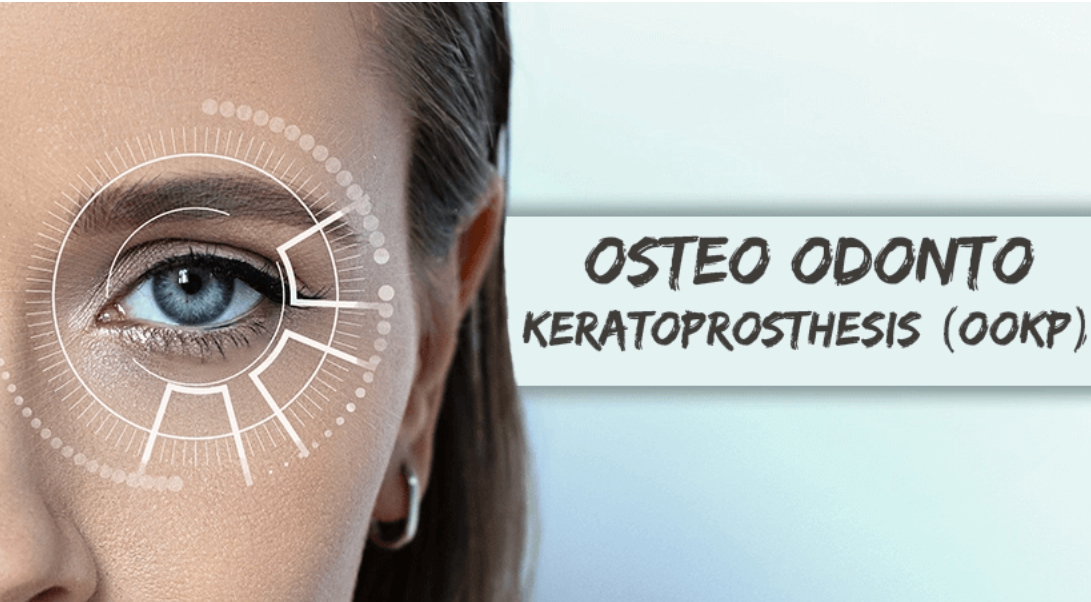
Tooth-in-Eye Surgery (OOKP): A Breakthrough for Vision Restoration

Tooth-in-eye surgery (OOKP) is an advanced procedure that restores vision in patients with severe corneal blindness. When traditional treatments fail, this technique offers a new path to sight. It uses the patient’s own tooth to support an artificial cornea. As a result, it significantly improves long-term success.

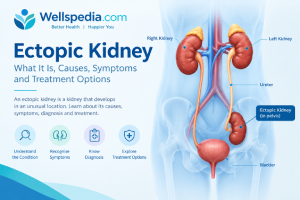
Understanding Ectopic Kidney: A Guide to Causes, Symptoms, and Management

An ectopic kidney is a birth condition where one or both kidneys are located outside their typical position in the upper abdomen. Instead of ascending to their normal place during fetal development, they may settle in the pelvis, lower abdomen, or, in rare

Living With Danon Disease: A Comprehensive Guide

Danon Disease is a rare, serious genetic disorder that primarily affects the heart, muscles, and nervous system. Because it is progressive, early diagnosis and management are crucial. This guide breaks down the key information about its symptoms, diagnosis, treatment, and prognosis. What is

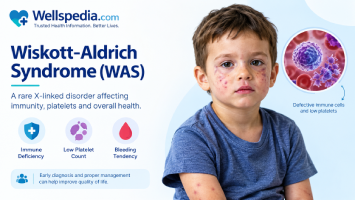
Wiskott-Aldrich Syndrome (WAS): A Comprehensive Guide

Wiskott-Aldrich Syndrome (WAS) is a rare and serious genetic disorder that primarily affects boys. It weakens the immune system, leading to a heightened susceptibility to infections, easy bleeding due to a low platelet count, and a range of other complications like eczema and

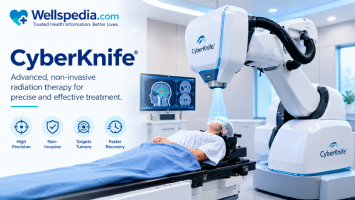
CyberKnife : The Ultimate Guide to Robotic Radiosurgery

In the fight against cancer and other conditions, the goal has always been clear: destroy the target with maximum force while causing minimal collateral damage. Modern radiotherapy has made this a reality, and at the forefront of this precision medicine revolution is CyberKnife—a non-invasive,

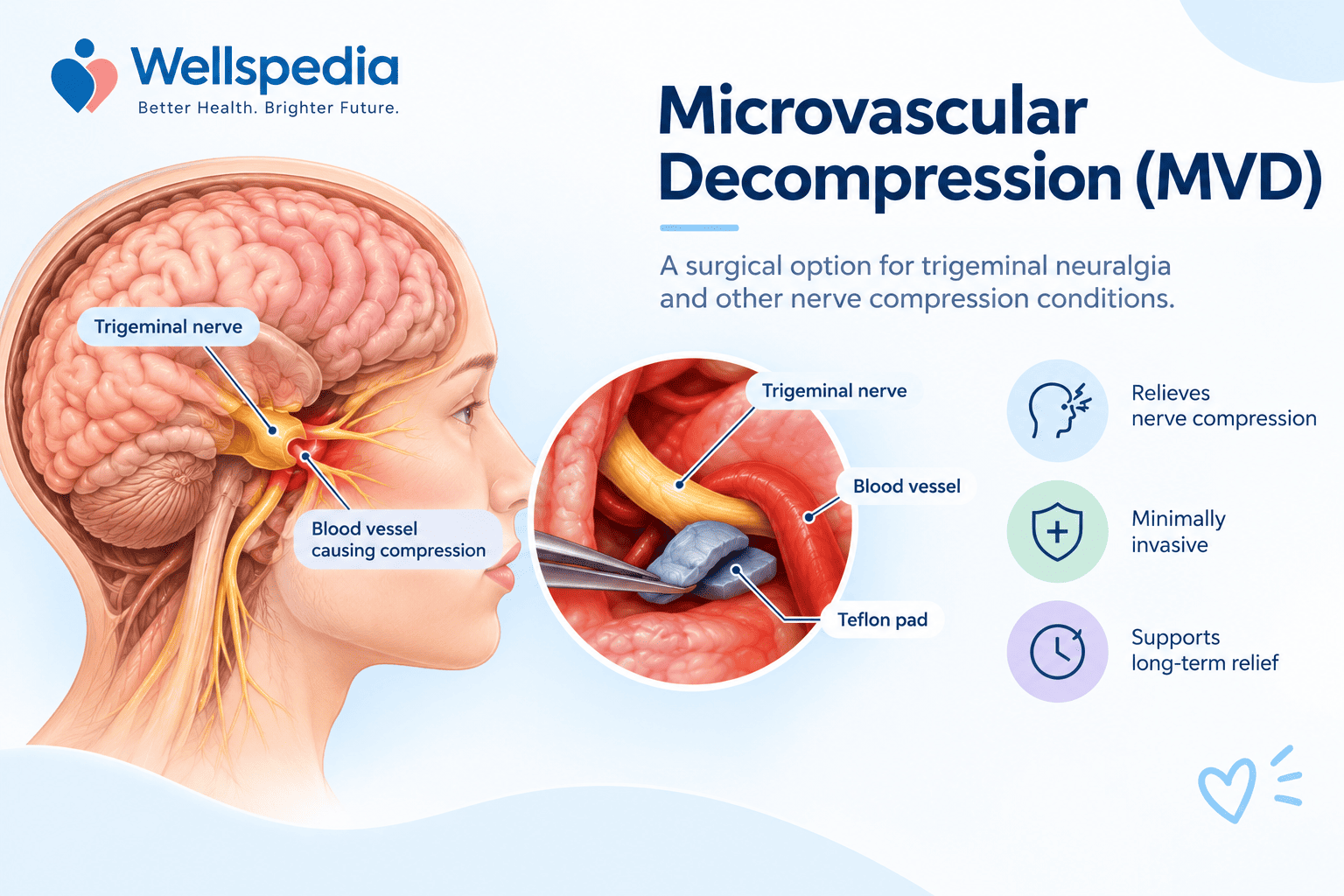
Microvascular Decompression (MVD): Procedure, Benefits, Risks and Recovery

Microvascular Decompression (MVD) is a brain surgery that helps relieve certain types of nerve pain caused by blood vessels pressing against nerves near the brain. Doctors commonly use this procedure to treat trigeminal neuralgia and hemifacial spasm. Trigeminal neuralgia can cause sudden, severe

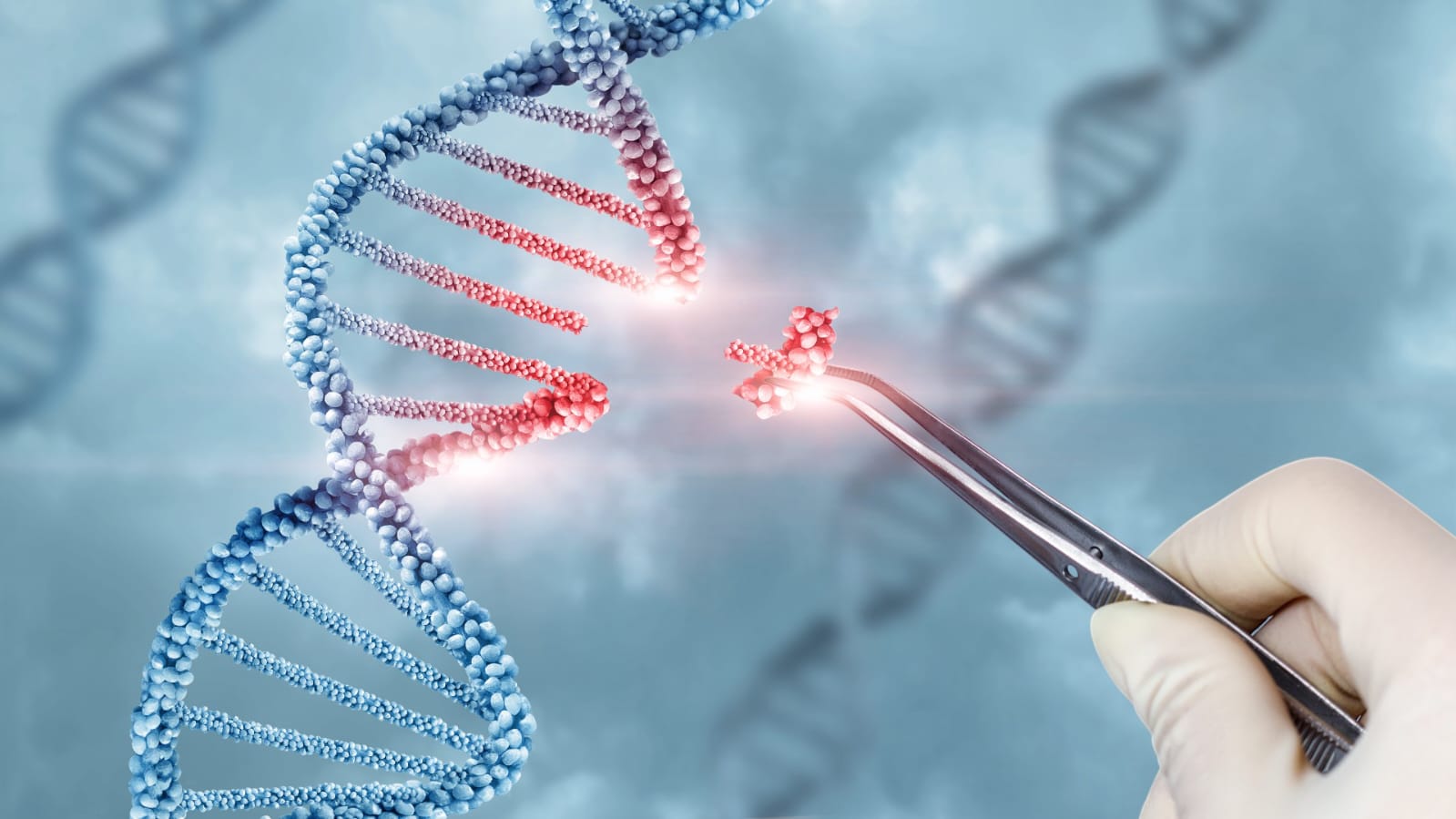
Zevaskyn: A Breakthrough Gene Therapy for RDEB

Recessive Dystrophic Epidermolysis Bullosa (RDEB) is a rare and severe genetic disorder. People often call it “butterfly skin” disease because the skin becomes extremely fragile. Even slight friction can cause painful blisters, open wounds, and permanent scarring. Moreover, RDEB affects more than just