Microvascular Decompression (MVD): Procedure, Benefits, Risks and Recovery
Microvascular Decompression (MVD) is a brain surgery that helps relieve certain types of nerve pain caused by blood vessels pressing against nerves near the brain. Doctors commonly use this procedure to treat trigeminal neuralgia and hemifacial spasm.
Trigeminal neuralgia can cause sudden, severe facial pain. Hemifacial spasm, on the other hand, causes involuntary twitching on one side of the face. These symptoms can affect daily activities, sleep, and quality of life.
Medicines can help control symptoms. However, when they do not provide enough relief or cause troublesome side effects, a specialist may recommend surgery. MVD works by moving the blood vessel away from the affected nerve, helping relieve pressure without intentionally damaging the nerve.
In this guide, we explain how microvascular decompression works, who may benefit, what happens during surgery, and what to expect during recovery.
What Is Microvascular Decompression (MVD)?
Microvascular decompression is a neurosurgical procedure used to relieve pressure on a cranial nerve caused by a nearby blood vessel.
Cranial nerves connect the brain with different parts of the head and neck. When a blood vessel presses against certain nerves, it may interfere with normal nerve function and trigger pain or involuntary muscle movements.
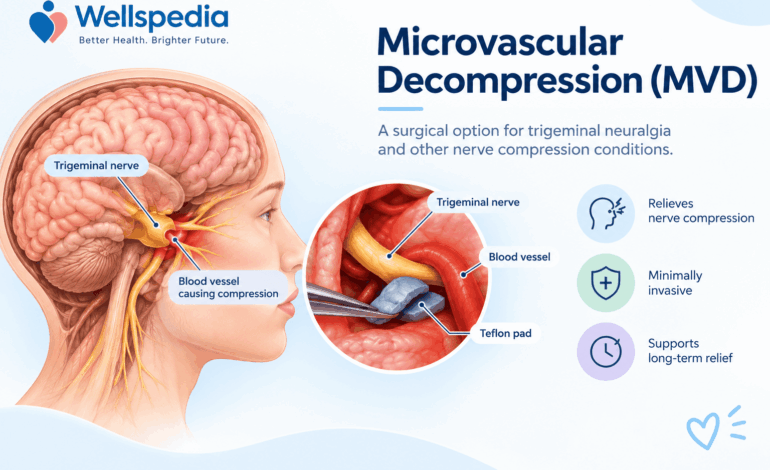
During MVD, a neurosurgeon carefully moves the blood vessel away from the affected nerve. The surgeon may then place a small protective pad, often made of Teflon, between the structures to keep them separated.
Unlike procedures that deliberately damage nerve tissue, MVD aims to relieve the compression while preserving normal nerve function.
What Conditions Can MVD Treat?
Doctors may recommend microvascular decompression for selected nerve disorders.
1. Trigeminal Neuralgia
Trigeminal neuralgia causes sudden, intense facial pain that may feel like an electric shock. The pain commonly affects one side of the face and may involve the cheek, jaw, teeth, or forehead.
Everyday activities such as eating, speaking, brushing the teeth, or lightly touching the face can trigger an attack.
When a blood vessel compresses the trigeminal nerve, MVD may provide long-lasting pain relief in appropriately selected patients.
2. Hemifacial Spasm
Hemifacial spasm causes involuntary contractions of muscles on one side of the face. Twitching may begin around the eye and gradually involve the cheek or mouth.
In some cases, a blood vessel presses against the facial nerve. MVD can relieve this pressure and reduce the spasms.
3. Glossopharyngeal Neuralgia
Glossopharyngeal neuralgia is a less common condition that causes sudden, severe pain in the throat, tongue, ear, or the area around the tonsils.
In selected patients, vascular compression of the glossopharyngeal nerve may contribute to the symptoms. A specialist may consider MVD when the clinical findings support this approach.
What Causes Nerve Compression?
Blood vessels and cranial nerves lie close together near the brainstem. Sometimes, an artery or vein presses against a nerve where it leaves the brainstem.
This contact can irritate the nerve and interfere with its normal electrical signals. In trigeminal neuralgia, repeated compression may damage the protective covering around nerve fibres, allowing abnormal signals to develop.
However, not every case of facial pain or muscle twitching is caused by vascular compression. Other neurological conditions can produce similar symptoms, so an accurate diagnosis is essential before considering surgery.
How Does Microvascular Decompression Work?
MVD treats the source of symptoms when blood vessel compression is responsible.
The surgeon identifies the affected nerve and the blood vessel pressing against it. Next, the surgeon carefully moves the vessel away and may place a small cushion between the vessel and nerve.
This separation reduces direct pressure on the nerve. Many appropriately selected patients experience substantial symptom relief, although results vary and symptoms can sometimes return.
Step-by-Step Microvascular Decompression Procedure
MVD is performed under general anaesthesia by a qualified neurosurgeon. The exact surgical approach depends on the affected nerve and the patient’s anatomy.
1. Preparing for Surgery
Before surgery, the medical team reviews the patient’s medical history, medications, and overall health. MRI or other imaging tests may help identify the suspected compression and support surgical planning.
2. Accessing the Nerve
The surgeon usually makes an incision behind the ear and creates a small opening in the skull to reach the affected nerve. This approach is commonly used for trigeminal neuralgia.
3. Identifying the Compression
Using a surgical microscope or other specialised equipment, the surgeon examines the nerve and nearby blood vessels to locate the source of pressure.
4. Relieving the Pressure
The surgeon carefully moves the blood vessel away from the nerve. A small protective pad or another suitable technique may then keep the structures separated.
5. Closing the Surgical Site
After checking the surgical area, the surgeon closes the protective covering, skull opening, and incision. The patient is then monitored during the initial recovery period.
Benefits of Microvascular Decompression
MVD may offer several benefits for patients who are suitable candidates.
- Long-term symptom relief: Many patients experience substantial and lasting improvement.
- Treats the compression: The procedure directly addresses pressure from the blood vessel.
- Preserves the nerve: Unlike nerve-destructive procedures, MVD aims to relieve pressure without deliberately damaging the nerve.
- May reduce medication needs: Some patients can reduce their nerve-pain medication after successful surgery, under medical supervision.
MVD does not guarantee a cure. Its likely benefits depend on the diagnosis, the source of compression, general health, and other individual factors.
Risks and Possible Complications of MVD
Although MVD can be effective, it is a major operation involving the skull and structures near the brainstem. Patients should discuss the benefits and risks with their neurosurgeon before making a decision.
Possible complications include:
- Cerebrospinal fluid (CSF) leakage
- Hearing changes or hearing loss
- Facial numbness or weakness
- Infection or bleeding
- Dizziness or balance problems
- Stroke or other neurological complications
- Persistent or returning symptoms
Serious complications are uncommon, but their likelihood varies between patients and surgical centres. Your surgeon can explain the risks relevant to your medical history.
Recovery After Microvascular Decompression Surgery
Recovery takes time because the operation involves an opening in the skull. The hospital stay and return to everyday activities vary depending on the patient’s condition and progress.
First Few Days
Patients usually remain in the hospital for monitoring. The medical team checks neurological function, manages discomfort, and watches for complications.
Some people experience a headache, soreness around the incision, fatigue, or temporary dizziness.
First Few Weeks
At home, patients should follow their discharge instructions, attend follow-up appointments, and gradually increase light activities as advised.
Avoid heavy lifting, strenuous exercise, and driving until the treating team confirms these activities are safe.
Returning to Normal Activities
Many patients resume routine activities within several weeks, but full recovery may take longer. The appropriate timeline depends on healing, the type of work involved, and whether any complications develop.
Do not stop or reduce nerve-pain medication on your own. Your doctor will advise whether and when the dose can be adjusted after surgery.
When to Contact a Doctor
Seek prompt medical assessment if you develop a severe or worsening headache, fever, fluid leaking from the incision, new hearing problems, increasing weakness, or other concerning symptoms after surgery.
Sudden facial drooping, new limb weakness, difficulty speaking, or reduced consciousness requires emergency medical care.
MVD vs Other Treatments for Trigeminal Neuralgia
MVD is one of several treatment options for trigeminal neuralgia. The best choice depends on the cause of pain, imaging findings, general health, and personal preferences.
Medication
Doctors often start with medicines that reduce abnormal nerve signalling. These may control pain without surgery, although side effects or inadequate relief can lead to a specialist review.
Stereotactic Radiosurgery
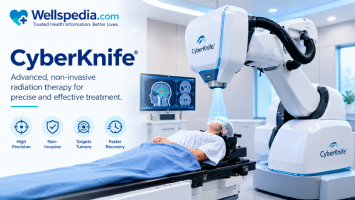
This treatment uses focused radiation to affect the pain-transmitting part of the trigeminal nerve. It does not require an open surgical incision, but symptom relief may take weeks or months to develop.
Percutaneous Procedures
These procedures use techniques such as balloon compression, glycerol injection, or radiofrequency treatment to interrupt pain signals. They may help selected patients, but they can also cause facial numbness.
Microvascular Decompression
MVD moves the compressing blood vessel away from the nerve rather than deliberately damaging the nerve. It may offer durable relief for suitable patients with confirmed or strongly suspected vascular compression, but it involves a more invasive operation.
No treatment is best for everyone. A neurologist or neurosurgeon can help compare the expected benefits, risks, and alternatives.
Frequently Asked Questions
Is microvascular decompression a major surgery?
Yes. MVD is a major neurosurgical procedure performed under general anaesthesia. The surgeon creates a small opening in the skull to reach the affected nerve and relieve compression.
Is MVD successful for trigeminal neuralgia?
Many appropriately selected patients experience significant pain relief, sometimes lasting for years. However, success rates vary between studies and patients, and symptoms may recur.
How long does recovery take after MVD?
Many people return to routine activities within several weeks, while complete recovery can take longer. Follow your surgeon’s advice rather than relying on a fixed timeline.
Can trigeminal neuralgia return after MVD?
Yes. Although the procedure can provide long-term relief, pain may return in some patients. Further evaluation may be needed if symptoms recur.
Does MVD damage the trigeminal nerve?
The goal of MVD is to relieve pressure while preserving the nerve. However, nerve injury and facial sensory changes remain possible complications.
Who decides whether MVD is appropriate?
A qualified neurosurgeon evaluates the diagnosis, symptoms, imaging findings, overall health, and alternative treatments before recommending surgery.
Conclusion
Microvascular Decompression (MVD) is an important treatment option for certain nerve disorders caused by blood vessel compression. By separating the blood vessel from the affected nerve, the procedure may provide long-term relief from trigeminal neuralgia, hemifacial spasm, and selected other conditions.
However, MVD is a major operation with potential complications. A careful diagnosis and consultation with an experienced neurosurgeon are essential to determine whether the potential benefits outweigh the risks.
Medical disclaimer: This article is for educational purposes only and is not a substitute for professional medical advice, diagnosis, or treatment. Always consult a qualified healthcare professional about your symptoms and treatment options.