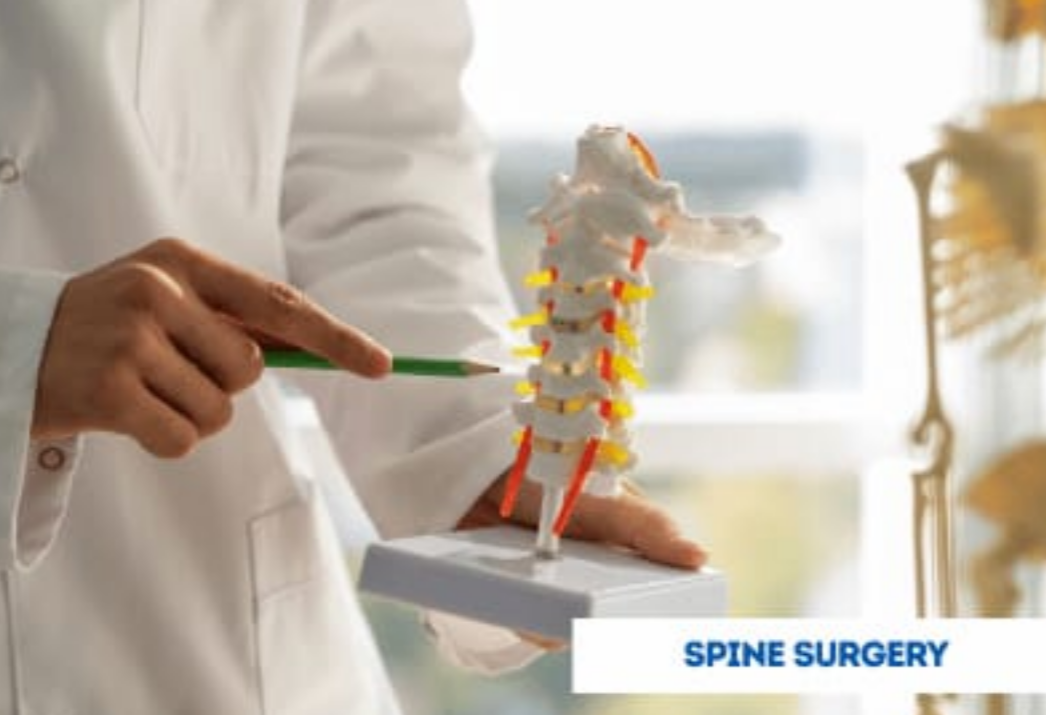
SI Joint Dysfunction: A Hidden Source of Lower Back, Hip, and Leg Pain

Chronic lower back or hip pain can feel overwhelming—especially when standard treatments fail to provide answers. One frequently missed cause is Sacroiliac (SI) Joint Dysfunction, a condition that often flies under the radar because its symptoms closely resemble other spinal and hip disorders. The

Microcurrent Facial Devices and Facial Palsy: Safety, Risks, and Expert Guidance

Microcurrent facial devices have gained popularity as non-invasive skincare tools that promise firmer skin, reduced wrinkles, and a more lifted appearance. These devices are commonly used in beauty clinics and are now widely available for home use. They work by sending very low-level

The Jaw–Pelvic Floor Connection: What Science and Clinical Practice Reveal

The human body does not function in isolated parts. Instead, it operates as an integrated system where distant regions influence one another through shared anatomy, nerves, fascia, and movement patterns. One of the most intriguing—and often overlooked—relationships is the connection between the jaw and the pelvic

Whey Protein, Insulin Response, and PCOS: Understanding the Metabolic Connection

Whey protein is one of the most popular dietary supplements worldwide, widely used for muscle recovery, weight management, and overall nutritional support. Beyond fitness, researchers are increasingly examining how whey protein affects insulin regulation and what this means for metabolic disorders such as

Antihistamine Withdrawal: Dependence, Symptoms, Safe Management, and Latest Insights

Antihistamines are among the most commonly used medications for treating allergies. They work by blocking histamine—a chemical released during allergic reactions that causes itching, sneezing, runny nose, watery eyes, and skin irritation. By reducing histamine activity, these medicines help control allergy symptoms related

Autologous Grafts and Implants in Modern Aesthetic and Reconstructive Surgery

Advances in plastic, aesthetic, and reconstructive surgery have significantly expanded the use of autologous tissues—such as fat and muscle—alongside synthetic implants. These techniques are used to restore form, improve function, and enhance appearance following trauma, congenital abnormalities, cancer surgery, or age-related changes. Autologous grafting involves

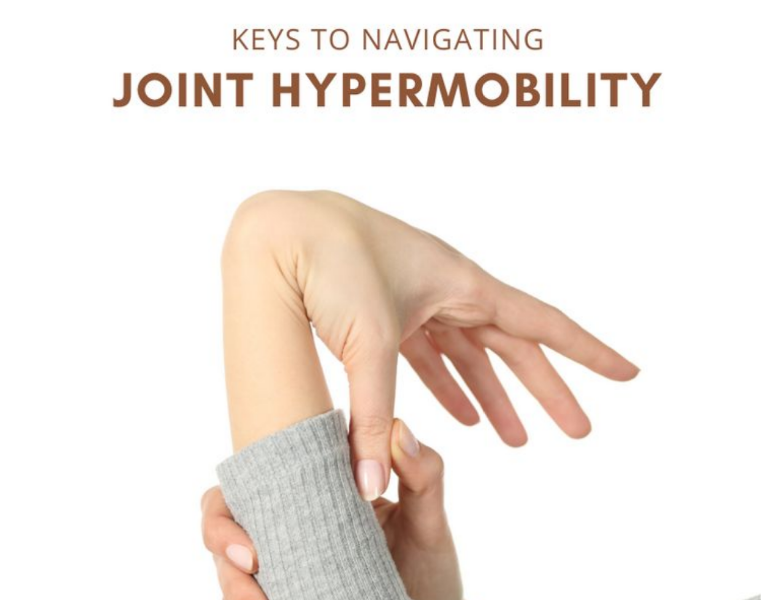
Bridging the Gap: Improving Communication Between Hypermobility Patients and Healthcare Providers

Joint hypermobility is a condition in which joints move beyond the normal range of motion. While flexibility may seem harmless—or even beneficial—in some individuals, hypermobility can cause pain, instability, fatigue, and functional limitations for others. Because hypermobility exists on a broad spectrum, its

Mouth Breathing and ADHD: How Sleep Problems Can Lead to Misdiagnosis

Attention Deficit Hyperactivity Disorder (ADHD) is one of the most commonly diagnosed neurodevelopmental conditions in children and adolescents. It is typically characterized by inattention, impulsivity, and hyperactivity. According to the U.S. Centers for Disease Control and Prevention (CDC), millions of children worldwide live

FDA and CDC Advise Caution on Chikungunya Vaccine Use in Older Adults

Understanding the Recent Advisory on the Ixchiq Vaccine Chikungunya is a mosquito-borne viral illness that has re-emerged as a global public health concern. Transmitted mainly by Aedes aegypti and Aedes albopictus mosquitoes—the same species responsible for dengue and Zika—the virus is spreading rapidly due to climate change,

Robotic Spine Surgery: Advancing Precision with the Mazor X System

Over the last few decades, spinal surgery has evolved dramatically. What once relied heavily on a surgeon’s experience and anatomical judgment has now transformed into a technology-driven discipline focused on precision, safety, and better patient outcomes. Among the most impactful innovations is robotic-assisted spine