Medically Induced Coma: Uses, Risks & Recovery

A medically induced coma is a carefully controlled medical technique that doctors use in critical situations. It helps protect the brain when there is a high risk of damage. In simple terms, doctors reduce brain activity so the brain can rest and recover.
Latest Breakthroughs in Regenerative Orthopedics and Orthobiologics

Regenerative orthopedics is transforming the way musculoskeletal conditions are treated. Rather than relying solely on surgery or long-term medication, this rapidly evolving specialty focuses on biological repair and tissue regeneration. By leveraging orthobiologics—substances derived from the body’s own cells and tissues—clinicians aim to restore

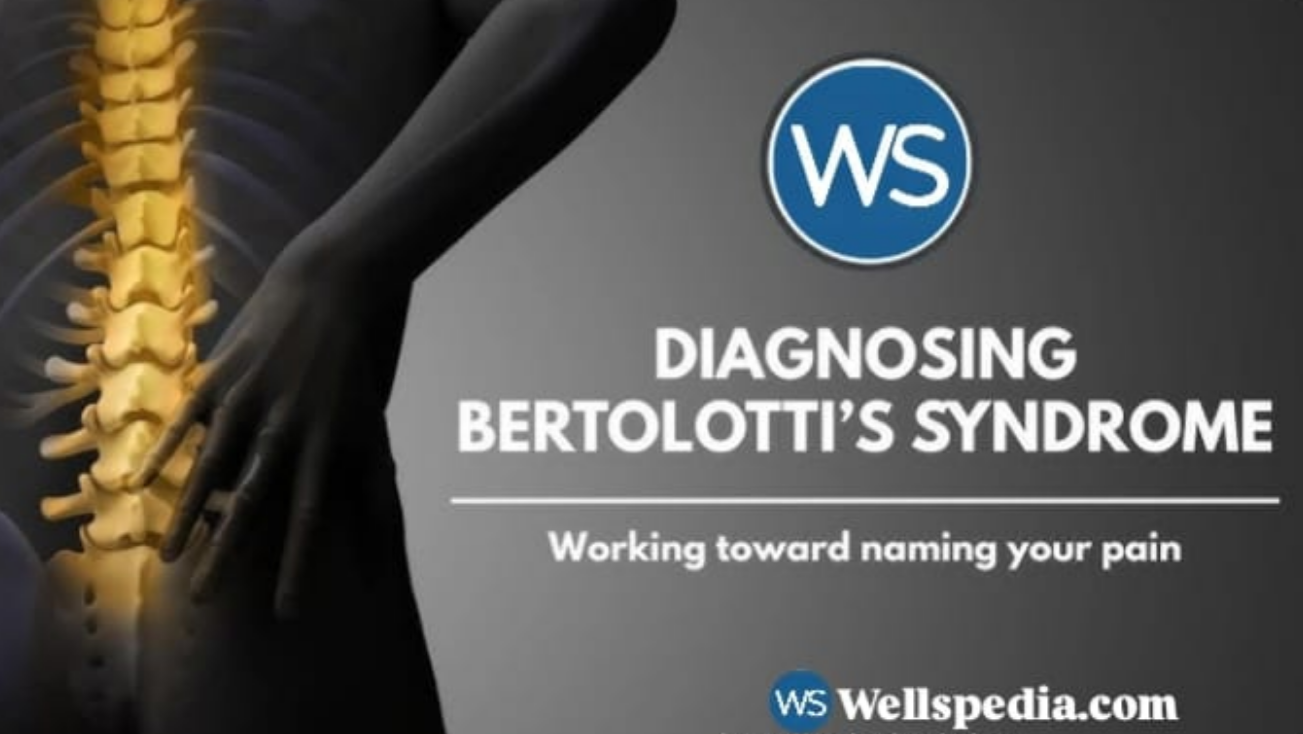
Bertolotti Syndrome: An Often Missed Cause of Chronic Lower Back Pain

Below is a completely original, plagiarism-free rewrite of your article, structured for a WordPress medical blog, with clear headings, patient-friendly language, and SEO-ready flow. The content is rewritten from the ground up—no copied sentences or structure—while preserving medical accuracy and depth. Bertolotti Syndrome: An Often Missed Cause

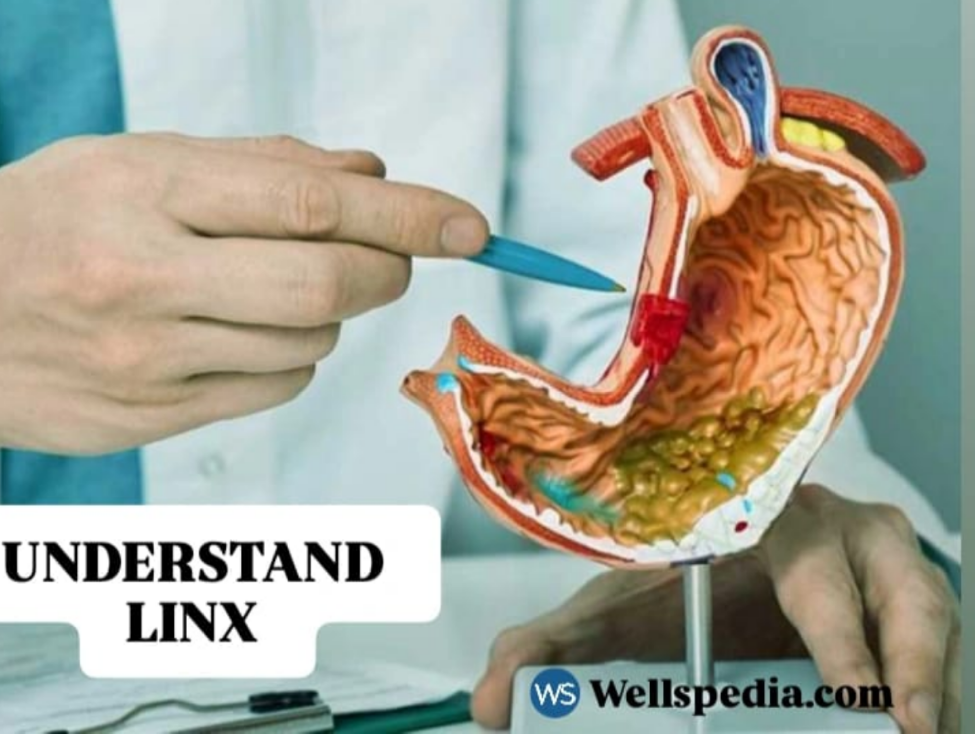
LINX Procedure for GERD: A Modern, Minimally Invasive Treatment Option

Understanding GERD and Its Impact Gastroesophageal Reflux Disease (GERD) is a chronic digestive disorder in which stomach acid or bile repeatedly flows back into the esophagus. This backflow irritates the esophageal lining and commonly causes symptoms such as heartburn, acid regurgitation, chest discomfort,

Shallow Water Walking: A Low-Impact Aquatic Exercise for Joint Health and Functional Recovery

Shallow water walking is an increasingly popular form of low-impact aquatic exercise used in rehabilitation, fitness training, and preventive healthcare. By utilizing the natural properties of water—buoyancy, resistance, and hydrostatic pressure—this activity allows individuals to stay physically active while minimizing stress on joints and soft

Embryo Selection in IVF: Modern Clinical Strategies and Evidence-Based Insights

Embryo selection plays a crucial role in the success of in vitro fertilization (IVF). It focuses on choosing embryos that have the highest chance of implantation and healthy development. By selecting the most viable embryos, fertility specialists aim to increase pregnancy rates while

Maintaining Mental Sharpness as You Grow Older

Aging is a natural part of life, but losing mental sharpness doesn’t have to be. While certain cognitive abilities may slow over time, research consistently shows that the brain remains capable of growth, adaptation, and improvement well into later life. With the right

Alyftrek and Cystic Fibrosis: A New Era in Treatment

Cystic fibrosis (CF) is a serious genetic condition that mainly affects the lungs and digestive system. It causes the body to produce thick, sticky mucus, which blocks airways and leads to repeated infections. Over time, this damage can reduce lung function and overall

Fact vs Fiction: Understanding Ivermectin’s Medical Uses, COVID-19 Claims, and Cancer Myths

Ivermectin is a well-established medication with a long history in global medicine. First developed in the 1970s, it revolutionized the treatment of parasitic infections and earned its discoverers the 2015 Nobel Prize in Physiology or Medicine. Today, ivermectin remains listed on the World Health Organization’s

GLP-1 Microdosing Explained: Benefits, Risks, and What Science Says

GLP-1 receptor agonists like Ozempic and Wegovy have transformed the treatment of type 2 diabetes and obesity. These medications help control blood sugar levels and support significant weight loss when used at clinically approved doses. Recently, a growing trend called microdosing GLP-1 drugs has gained attention online. In this approach,