What Causes Weight Gain in Some Women but Not Others?
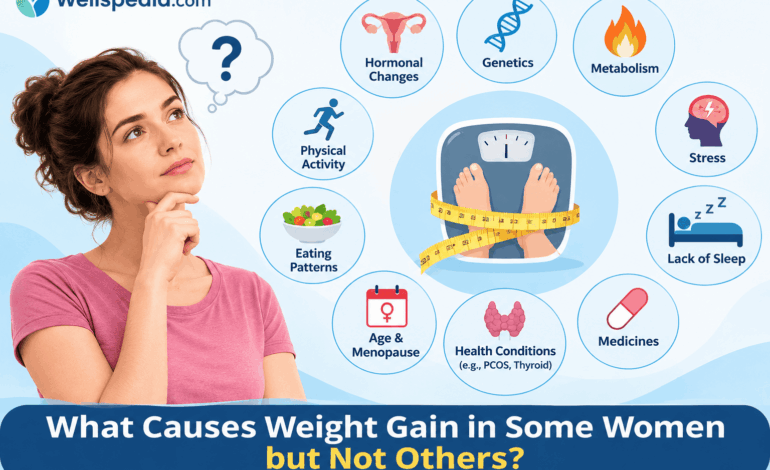
Have you ever wondered why some women gain weight easily while others seem to maintain their weight despite having similar eating habits and activity levels? The answer is not as simple as calories alone. Weight gain in women can be influenced by genetics, hormones, metabolism, sleep, stress, medications, age, and everyday lifestyle habits.
Every woman’s body responds differently to food, physical activity, and hormonal changes. For example, two women may follow similar diets but experience different changes in appetite, energy expenditure, and body fat distribution. These differences do not necessarily mean one person is more disciplined than the other.
Understanding the causes of weight gain can help women make informed decisions about nutrition, exercise, and overall health without relying on extreme diets or unrealistic body standards.
Key Takeaways
- Genetics can influence appetite, metabolism, and where the body stores fat.
- Hormonal changes during menstruation, pregnancy, perimenopause, and menopause may affect body weight.
- Sleep deprivation, chronic stress, and certain medications can contribute to weight changes.
- Health conditions such as hypothyroidism and polycystic ovary syndrome (PCOS) may make weight management more difficult for some women.
- Healthy weight management focuses on sustainable habits rather than crash diets or comparisons with other people.
- Unexplained or rapid weight gain deserves medical attention, especially when accompanied by other symptoms.
1. Genetics and Family History
Genetics help explain why women differ in body size, appetite, and fat distribution. Some inherited traits influence how strongly a person feels hunger, how easily they feel full, and how their body responds to physical activity.
For instance, one woman may naturally feel satisfied after a moderate-sized meal, while another may experience hunger sooner. Genetic differences can also influence the tendency to store fat around the abdomen, hips, or thighs.
However, genes do not determine a person’s future completely. Environmental factors, food availability, sleep, activity, and medical care can all influence weight over time.
What can help? Focus on habits that support your own health instead of comparing your body with someone else’s. A realistic nutrition and activity plan is more useful than trying to achieve another person’s body shape.
2. Hormonal Changes Throughout Life
Hormones affect appetite, energy use, reproductive health, and the way the body stores fat. Changes in hormone levels can therefore influence weight at different stages of a woman’s life.
Menstrual Cycle
Some women notice temporary weight changes before their period. Hormonal fluctuations can contribute to fluid retention, bloating, constipation, and changes in appetite.
These changes do not necessarily represent an increase in body fat. Weight often returns toward its usual level after menstruation.
Pregnancy and After Childbirth
Weight gain during pregnancy is a normal part of supporting a developing baby. After childbirth, body weight may change gradually as fluid levels, activity, sleep, and feeding routines change.
Recovery takes time. Women do not all return to their previous weight at the same pace, and postpartum weight changes should be discussed with a healthcare professional when they cause concern.
Perimenopause and Menopause
During the years leading up to menopause and after it, declining estrogen levels can contribute to a shift in body fat toward the abdomen. At the same time, age-related muscle loss and changes in physical activity may reduce daily energy expenditure.
Menopause does not automatically cause significant weight gain in every woman. Age, sleep, activity, diet, and other health factors also play important roles.
Helpful approach: Include regular movement, strength-building exercises, balanced meals, and sufficient sleep. If weight changes occur alongside significant menstrual changes, hot flashes, or other symptoms, discuss them with a healthcare professional.
3. Differences in Metabolism and Muscle Mass
Metabolism refers to the processes through which the body uses energy to maintain life and support everyday activities. It includes energy used at rest, during digestion, and through movement.
Women of similar height and weight can have different energy needs. Muscle mass, body size, age, genetics, and activity levels all influence how much energy the body uses.
Muscle tissue generally uses more energy at rest than fat tissue. Consequently, changes in muscle mass may affect daily energy expenditure. However, metabolism is complex, and it is rarely the only explanation for differences in weight.
Some people also unconsciously move more throughout the day. Walking between tasks, standing, taking the stairs, and other small movements can add up over time.
What can help?
- Include strength training suited to your fitness level.
- Walk regularly and reduce long periods of sitting.
- Eat enough nutritious food to support your activity and recovery.
- Avoid extremely restrictive diets, which can be difficult to maintain and may contribute to muscle loss.
4. Eating Patterns and Appetite Differences
Food choices, portion sizes, hunger signals, and eating routines can influence weight. However, eating habits are shaped by many factors, including work schedules, finances, culture, stress, sleep, and access to nutritious food.
Some women experience stronger hunger signals or cravings than others. Highly processed foods that are easy to eat quickly may also make it harder to recognize fullness for some people.
Eating late at night does not automatically cause weight gain. The overall pattern of food intake, energy needs, sleep, and activity matters more than a single meal’s timing.
Building a Balanced Eating Pattern
A sustainable approach can include:
- Protein: Beans, lentils, eggs, fish, tofu, yogurt, or other suitable protein sources.
- Fiber-rich foods: Vegetables, fruit, whole grains, and legumes.
- Healthy fats: Nuts, seeds, olive oil, and other appropriate sources.
- Regular meals: Choose a routine that supports your hunger, schedule, and medical needs.
- Mindful eating: Slow down when possible and pay attention to hunger and fullness.
There is no single diet that works equally well for every woman. The best eating pattern is one that supports health, meets nutritional needs, and can be maintained over time.
5. Stress and Emotional Eating
Long-term stress can affect weight through several pathways. Stress may disrupt sleep, change appetite, reduce motivation to exercise, and increase cravings for foods that provide quick comfort.
The hormone cortisol helps the body respond to stress. Although cortisol is essential for normal functioning, prolonged stress can influence eating patterns and fat distribution. Nevertheless, cortisol alone does not explain most cases of weight gain.
Emotional eating can also occur when someone uses food to cope with sadness, anxiety, boredom, or exhaustion. This is a common human response and should not be treated as a personal failure.
Practical Ways to Manage Stress
- Try a short breathing exercise or mindfulness practice.
- Take regular breaks during demanding workdays.
- Maintain social connections and ask for support when needed.
- Choose enjoyable activities, such as walking, gardening, or dancing.
- Consider speaking with a qualified mental health professional if stress or emotional eating feels difficult to manage.
The goal is not to eliminate every stressful situation. Instead, develop healthier ways to respond to stress while maintaining a balanced relationship with food.
6. Poor Sleep and Weight Changes
Sleep plays an important role in appetite regulation, energy, and decision-making. When women regularly get too little sleep, they may experience stronger hunger, increased cravings, lower energy, and less motivation to remain active.
Busy schedules, caregiving responsibilities, shift work, pregnancy, menopause symptoms, and sleep disorders can all interfere with rest.
Although improving sleep does not guarantee weight loss, it can support healthier eating patterns and overall well-being.
Try these sleep habits:
- Maintain a reasonably consistent bedtime and wake-up time.
- Create a dark, quiet, comfortable sleeping environment.
- Reduce caffeine late in the day if it affects your sleep.
- Establish a relaxing wind-down routine.
- Seek medical advice for persistent insomnia, loud snoring, or excessive daytime sleepiness.
Most adults need at least seven hours of sleep per night, although individual needs vary.
7. Medical Conditions That Can Affect Weight
Sometimes, weight changes reflect an underlying health condition rather than lifestyle alone. Medical conditions can affect hormones, fluid balance, mobility, appetite, and energy levels.
Hypothyroidism
Hypothyroidism occurs when the thyroid gland does not produce enough thyroid hormones. These hormones help regulate metabolism.
Possible symptoms include fatigue, increased sensitivity to cold, constipation, dry skin, and weight gain. The amount of weight change varies, and some of it may result from fluid retention.
A healthcare professional can assess symptoms and order thyroid blood tests when appropriate.
Polycystic Ovary Syndrome (PCOS)
PCOS is a hormonal condition that can affect menstrual cycles, ovulation, and androgen levels. Some women with PCOS also experience insulin resistance, which may make weight management more challenging.
Possible signs include irregular periods, acne, excess facial or body hair, and difficulty becoming pregnant. Not every woman with PCOS has excess weight, and weight alone cannot diagnose the condition.
Treatment depends on individual symptoms and may include nutrition support, physical activity, medication, and reproductive health care.
Cushing’s Syndrome
Cushing’s syndrome occurs when the body is exposed to excessive cortisol over time. It is uncommon but can cause weight gain, particularly around the abdomen and upper body, alongside other changes.
Possible signs include a rounded face, easy bruising, purple stretch marks, muscle weakness, and high blood pressure. Long-term use of corticosteroid medicines can also cause similar effects.
People should never stop prescribed corticosteroids suddenly without medical advice.
Other Health Factors
Other conditions may influence weight indirectly by affecting mobility, sleep, appetite, or fluid balance. Examples include depression, chronic pain, and certain sleep disorders.
If weight changes are persistent or difficult to explain, a clinician can help identify whether further assessment is appropriate.
8. Medications That May Contribute to Weight Gain
Certain medicines can influence appetite, fluid retention, or how the body uses energy. These effects vary from person to person.
Medicines that may contribute to weight gain in some people include:
- Certain antidepressants and antipsychotic medicines.
- Some diabetes treatments, including insulin.
- Certain corticosteroids.
- Some medicines used to manage seizures.
- Selected hormonal treatments and other prescription medicines.
This does not mean these medicines are unsuitable or should be avoided. Their benefits may be essential, and the effect on weight depends on the particular medicine, dose, duration, and individual circumstances.
If you notice a weight change after starting a medicine, discuss it with your prescriber. They may review your treatment or suggest appropriate alternatives. Do not stop or change medication on your own.
9. Physical Activity and Everyday Movement
Exercise is important for cardiovascular health, muscle strength, mood, mobility, and long-term weight management. However, women differ in how much they move during the day and how their bodies respond to exercise.
One woman may have a physically demanding job, while another spends most of the day sitting. Even when both complete the same workout, their total daily energy expenditure may differ.
Exercise can also increase appetite in some people, while others experience little change in hunger. This is another reason weight responses vary.
Build an Activity Routine You Can Maintain
- Start with manageable walks or other activities you enjoy.
- Add strength training on a regular basis, according to your abilities.
- Break up long periods of sitting.
- Increase activity gradually rather than making sudden, extreme changes.
- Adapt exercise to pregnancy, chronic conditions, injuries, or other medical needs with professional guidance when appropriate.
Adults are generally advised to aim for at least 150 minutes of moderate-intensity aerobic activity per week and muscle-strengthening activity on two or more days, adjusted for their health and abilities.
10. Age and Changes in Body Composition
As women get older, they may gradually lose muscle mass and experience changes in physical activity, sleep, and hormones. These changes can affect body composition and energy needs.
However, age alone does not determine whether a woman will gain weight. Many older women maintain stable weight and strength through appropriate nutrition, regular activity, and medical care.
Rather than focusing only on the number on the scale, consider other indicators of health, such as strength, endurance, blood pressure, blood sugar, and how comfortably you perform daily activities.
11. Why Two Women Can Gain Different Amounts of Weight
Imagine two women of similar age and height who eat broadly similar meals.
One sleeps well, walks frequently during the day, has a higher proportion of muscle mass, and takes no medication that affects weight. The other works long hours, sleeps poorly, experiences chronic stress, and takes a medicine that increases appetite.
Over time, their weight patterns may differ even though their meals look similar.
This example illustrates an important point: body weight reflects the combined influence of biology, environment, behavior, and health—not willpower alone.
Even careful comparisons can miss differences in portion sizes, drinks, weekend routines, fluid retention, menstrual cycles, and everyday movement.
12. Healthy Ways to Manage Weight
If you want to manage your weight, choose habits that support both physical and mental health. You do not need to follow an extreme diet or exercise excessively.
Set Realistic Goals
Focus on gradual, sustainable changes rather than rapid weight loss. Your appropriate goal depends on your health, medical history, and circumstances.
Eat for Nourishment
Include a variety of vegetables, fruit, whole grains, protein-rich foods, and suitable sources of healthy fats. Adjust portion sizes to your hunger, activity, and nutritional needs.
Stay Hydrated
Drink water regularly and pay attention to thirst. Water supports normal body functions, although drinking extra water by itself does not produce meaningful fat loss.
Prioritize Sleep
Create a routine that allows enough rest. If a health condition or caregiving responsibilities interfere with sleep, seek practical support where possible.
Track Patterns Without Obsession
If useful, keep a brief record of sleep, activity, meals, menstrual changes, and symptoms. This may help identify patterns to discuss with a healthcare professional. Avoid tracking methods that increase anxiety or encourage restrictive eating.
Seek Individualized Advice
A registered dietitian or qualified healthcare professional can help you choose a plan that considers your medical needs, preferences, and daily routine.
13. When Should Women See a Doctor About Weight Gain?
Arrange a medical appointment if weight gain is persistent, unexplained, or accompanied by other new symptoms.
Seek medical advice particularly when you experience:
- Rapid weight gain over a short period.
- Swelling in the legs, ankles, hands, or face.
- Shortness of breath or difficulty breathing.
- Unusual fatigue, marked cold sensitivity, or persistent constipation.
- Irregular periods, new excess facial hair, or other hormonal changes.
- Easy bruising, unusual muscle weakness, or prominent purple stretch marks.
- Weight changes after starting or changing medication.
Rapid weight gain with significant swelling or breathlessness can indicate fluid accumulation or another serious problem. Severe or sudden difficulty breathing, chest pain, or fainting requires emergency medical care.
A clinician may review your medical history, symptoms, medicines, and examination findings before deciding whether tests—such as thyroid function, blood glucose, or other investigations—are needed.
Frequently Asked Questions
Why do some women gain weight more easily than others?
Genetics, appetite, hormones, muscle mass, sleep, stress, medication, health conditions, and everyday movement can all contribute. Several factors often work together, so there is rarely one explanation for everyone.
Can hormones cause weight gain even if I eat healthily?
Hormonal conditions and life-stage changes can influence appetite, fluid retention, and fat distribution. However, weight changes usually involve several factors. A healthcare professional can assess persistent changes and check for relevant medical causes.
Does a slow metabolism always cause weight gain?
No. A person’s energy needs depend on body size, age, muscle mass, movement, and other factors. A perceived slow metabolism does not automatically indicate a medical problem, although some conditions, including hypothyroidism, can affect weight.
Does menopause cause weight gain in every woman?
No. Menopause can contribute to changes in fat distribution, especially around the abdomen. Aging, reduced muscle mass, sleep disruption, and activity patterns may also influence weight during this stage of life.
Can stress make a woman gain weight?
Stress can affect sleep, appetite, food choices, and physical activity. These changes may contribute to weight gain in some women, although responses vary.
Should I skip meals to lose weight faster?
Skipping meals is not necessary for weight management. For some people, it can lead to excessive hunger, low energy, or overeating later. A balanced eating pattern that suits your needs is usually more sustainable.
When is unexplained weight gain a warning sign?
Weight gain deserves medical assessment when it occurs rapidly, persists without a clear explanation, or appears alongside swelling, breathlessness, significant fatigue, menstrual changes, or other new symptoms.
Conclusion
Weight gain in some women but not others reflects a combination of genetics, hormones, metabolism, eating patterns, sleep, stress, medications, age, and underlying health conditions. Two women can follow similar routines and still experience different results.
Instead of blaming yourself or comparing your body with others, focus on sustainable habits and seek medical advice when weight changes are unexplained or accompanied by concerning symptoms. With individualized support, women can make informed decisions that improve overall health and well-being.
Medical disclaimer: This article is for general educational purposes only and does not replace individualized medical advice, diagnosis, or treatment. Consult a qualified healthcare professional about persistent weight changes or concerns about your health.