What Is Sarcoidosis? Symptoms, Causes, Diagnosis & Treatment
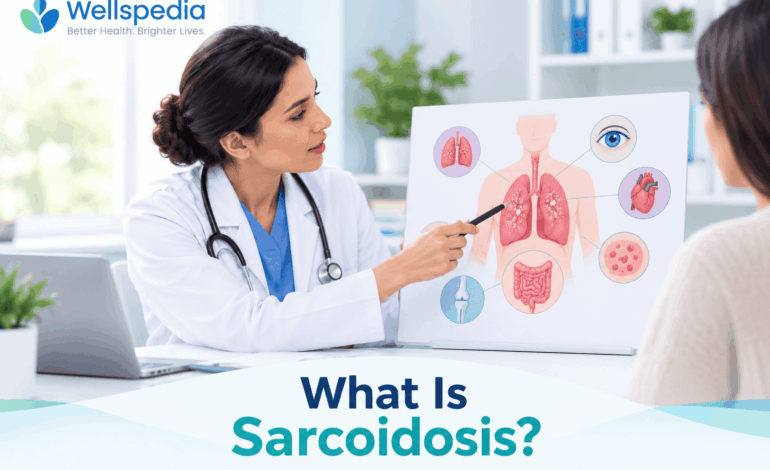
Sarcoidosis is an inflammatory disease that can affect several organs. It develops when immune cells form tiny clusters called granulomas in body tissues. These clusters most often appear in the lungs and lymph nodes. However, they can also affect the skin, eyes, heart, liver, and nervous system.
Some people experience mild symptoms and recover without extensive treatment. Others develop persistent inflammation that can damage organs over time. Therefore, understanding the symptoms, causes, and treatment options can help people seek appropriate medical care.
Key Takeaways
- Sarcoidosis causes small collections of immune cells called granulomas.
- The lungs and chest lymph nodes are the most commonly affected areas.
- Symptoms may include fatigue, a persistent cough, skin changes, joint pain, and eye irritation.
- Doctors use medical examinations, imaging, laboratory tests, and sometimes biopsies to diagnose the disease.
- Mild cases may improve without medication. However, serious organ involvement may require treatment.
- Regular medical follow-up helps doctors monitor inflammation and identify complications early.
What Is Sarcoidosis?
Sarcoidosis develops when the immune system produces an unusual inflammatory response. As a result, immune cells gather in tissues and form granulomas. These clusters can interfere with normal organ function, particularly when inflammation continues for a long time.
Granulomas are not cancerous growths. Nevertheless, they can resemble other diseases on medical scans, so doctors must evaluate the overall clinical picture.
How Does Sarcoidosis Develop?
Researchers have not identified one definite cause. However, studies suggest that an abnormal immune response plays a central role.
Several processes contribute to granuloma formation:
- Immune cell activation: T cells help coordinate the body’s inflammatory response.
- Macrophage activity: These immune cells gather in affected tissues and contribute to granuloma formation.
- Inflammatory signals: Chemical messengers, including tumor necrosis factor and interferon-gamma, help maintain inflammation.
- Tissue changes: Persistent inflammation may eventually cause fibrosis, which means permanent scarring.
In many cases, granulomas do not contain the central tissue breakdown seen in some infections. Doctors call these structures non-necrotizing granulomas. However, this finding alone cannot confirm sarcoidosis.
Causes and Risk Factors of Sarcoidosis
The exact cause of sarcoidosis remains unknown. Researchers believe that genetic susceptibility and environmental factors may combine to trigger an abnormal immune response.
Possible Causes
Genetic factors: Certain genetic variations may influence how the immune system responds to environmental triggers. In addition, people with a close family member who has sarcoidosis may face a higher risk.
Environmental exposures: Some studies have investigated possible links with dust, metals, agricultural materials, and workplace irritants. Certain occupational exposures can also cause other granulomatous diseases that resemble sarcoidosis.
Possible infectious triggers: Researchers have examined several bacteria and viruses as potential contributors. However, no single microorganism has been established as the universal cause.
Sarcoidosis is not generally considered contagious. Therefore, people do not usually acquire it through everyday contact with someone who has the disease.
Who Is at Risk?
Sarcoidosis can affect people of different ages and backgrounds. Nevertheless, doctors frequently diagnose it in young and middle-aged adults.
Possible risk factors include:
- A family history of sarcoidosis.
- Certain genetic characteristics.
- Membership in a population with a higher documented prevalence.
- Relevant occupational or environmental exposures.
Women also experience a higher disease burden in some populations. However, the risk and severity vary considerably between individuals.
Symptoms of Sarcoidosis
Symptoms depend on the organs affected and the level of inflammation. Some people have no noticeable symptoms. Others develop several health problems at once.
General Symptoms
The disease may cause symptoms throughout the body, including:
- Persistent fatigue.
- Fever.
- Unexplained weight loss.
- Night sweats.
- Reduced appetite.
- Muscle aches.
- Joint pain.
- A general feeling of weakness or illness.
Fatigue can continue even after other symptoms improve. Therefore, persistent tiredness deserves medical assessment.
Lung Symptoms
The lungs are the most commonly affected organs. Pulmonary sarcoidosis may cause:
- A persistent dry cough.
- Shortness of breath.
- Chest discomfort.
- Reduced exercise tolerance.
- Wheezing in some cases.
However, some people have enlarged chest lymph nodes without noticeable breathing problems.
Stages of Pulmonary Sarcoidosis
Doctors sometimes classify pulmonary sarcoidosis according to chest X-ray findings.
- Stage 0: The chest X-ray appears normal.
- Stage I: Enlarged lymph nodes appear near the central airways without visible lung infiltrates.
- Stage II: Enlarged lymph nodes occur alongside abnormalities in lung tissue.
- Stage III: Lung tissue abnormalities appear without the characteristic enlarged chest lymph nodes.
- Stage IV: The lungs show established fibrosis or permanent scarring.
These stages describe imaging patterns rather than the overall severity of the disease. Therefore, a higher stage does not automatically mean worse symptoms.
Lymph Node Enlargement
Sarcoidosis frequently enlarges lymph nodes inside the chest. In addition, lymph nodes in the neck, armpits, or groin may become enlarged.
These changes often cause no pain. Doctors may discover them during routine examinations or imaging tests. However, infections and some cancers can produce similar findings, so additional testing may be necessary.
Skin Symptoms
Skin changes occur in some people with sarcoidosis. Their appearance depends on the type of inflammation.
Common examples include:
Erythema nodosum: Tender red lumps usually appear on the lower legs. This condition can accompany acute sarcoidosis, although it has other possible causes.
Lupus pernio: Persistent reddish-purple lesions may develop around the nose, cheeks, ears, or lips. This pattern can accompany chronic disease.
Papules and plaques: Small raised bumps or broader patches may appear on the face, arms, or trunk.
Changes in scars or tattoos: Existing scars and tattooed skin may become raised, swollen, or discolored.
A dermatologist can examine these changes and recommend a skin biopsy when necessary.
Eye Symptoms
Sarcoidosis can inflame different structures within the eyes. Consequently, some people experience:
- Redness.
- Eye pain.
- Blurred vision.
- Sensitivity to light.
- Dry eyes.
- Floaters or other visual disturbances.
Uveitis, an inflammation inside the eye, is an important complication. Without timely treatment, persistent inflammation can damage vision. Therefore, seek prompt medical care if you develop eye pain, light sensitivity, or new visual changes.
Heart Symptoms
Cardiac sarcoidosis affects the heart and may interfere with its electrical system. Some people have few early symptoms. Others experience:
- An unusually fast or irregular heartbeat.
- Dizziness.
- Fainting.
- Chest discomfort.
- Unexplained breathlessness.
- Reduced exercise tolerance.
In severe cases, inflammation or scarring can cause heart block, dangerous arrhythmias, or heart failure. Seek emergency medical attention for severe chest pain, fainting, or sudden breathing difficulties.
Nervous System Symptoms
When sarcoidosis affects the brain, spinal cord, or peripheral nerves, doctors call it neurosarcoidosis.
Possible symptoms include:
- Facial weakness.
- Persistent headaches.
- Numbness or tingling.
- Muscle weakness.
- Seizures.
- Changes in vision.
- Balance problems.
- Hormonal disturbances.
These symptoms can have many causes. Therefore, sudden facial weakness, a new seizure, or abrupt neurological changes require urgent medical evaluation.
Joint and Muscle Symptoms
Sarcoidosis can cause joint pain, swelling, and stiffness. The ankles often become affected, although other joints may also hurt.
Some people experience short-term inflammation. Others develop persistent discomfort or, less commonly, inflammation within muscle tissue.
Liver and Spleen Symptoms
Granulomas can develop in the liver and spleen without causing obvious symptoms. Doctors may identify this involvement through blood tests, imaging, or other investigations.
Possible findings include abnormal liver enzymes, an enlarged liver or spleen, upper abdominal discomfort, and reduced blood cell counts in certain cases.
Mouth and Upper Airway Symptoms
Less commonly, sarcoidosis affects the salivary glands, mouth, or upper airway. Symptoms may include dry mouth, swollen salivary glands, oral lesions, hoarseness, or difficulty swallowing.
Persistent dry mouth can increase the risk of dental problems. Therefore, discuss ongoing symptoms with a healthcare professional.
Complications of Sarcoidosis
Many people experience mild disease or improve over time. However, persistent inflammation can cause serious complications when it affects essential organs.
Pulmonary Fibrosis
Long-term lung inflammation can produce permanent scar tissue. As a result, the lungs may become less flexible and transfer oxygen less efficiently.
Advanced fibrosis can cause severe breathlessness, low oxygen levels, reduced exercise capacity, and respiratory failure.
Heart Rhythm Problems
Cardiac sarcoidosis can disrupt the heart’s electrical signals. Consequently, some patients develop irregular heartbeats, heart block, or reduced heart function.
Early assessment is important when symptoms suggest possible cardiac involvement.
Vision Problems
Untreated eye inflammation can lead to glaucoma, cataracts, retinal damage, or vision loss. Regular eye examinations help doctors identify these complications.
Kidney Problems
Sarcoidosis can change the way the body processes vitamin D. In some people, this process raises calcium levels in the blood or urine.
Excess calcium can contribute to kidney stones or calcium deposits within kidney tissue. Therefore, doctors may monitor calcium levels and kidney function.
Persistent Fatigue
Fatigue can continue even when other symptoms improve. Sleep disturbances, chronic pain, medication effects, and ongoing inflammation may all contribute.
Doctors may also investigate other causes, such as anemia, thyroid problems, or sleep disorders.
How Is Sarcoidosis Diagnosed?
No single test can confirm every case of sarcoidosis. Instead, doctors combine the patient’s symptoms, physical examination, imaging, laboratory results, and sometimes a tissue biopsy.
They must also exclude other conditions that produce similar findings.
Medical History and Physical Examination
Doctors ask about coughing, fatigue, skin changes, eye problems, joint pain, and possible heart or neurological symptoms.
They may also review family history and occupational exposures. In addition, they examine the lungs, skin, lymph nodes, joints, and other relevant areas.
Imaging Tests
Chest X-ray: This test can reveal enlarged chest lymph nodes and lung abnormalities.
High-resolution CT scan: A CT scan provides more detailed information about lung tissue, nodules, airways, and fibrosis.
Cardiac MRI or FDG-PET: Doctors may recommend these tests when cardiac sarcoidosis is suspected. They can help identify inflammation or scar tissue.
However, imaging findings alone do not always distinguish sarcoidosis from infections or cancer.
Blood and Urine Tests
Doctors may order tests to assess:
- Calcium levels in blood and urine.
- Kidney function.
- Liver enzymes.
- Blood cell counts.
- Inflammation markers.
- Vitamin D metabolism in selected cases.
Angiotensin-converting enzyme, or ACE, may rise in some patients. Nevertheless, ACE testing cannot reliably confirm or exclude sarcoidosis by itself.
Lung Function Tests
Pulmonary function tests measure airflow and the lungs’ ability to transfer oxygen. These tests help doctors identify impairment and monitor changes over time.
Eye and Heart Examinations
An eye specialist can check for inflammation that may not cause obvious external changes.
Depending on the patient’s symptoms, doctors may also recommend an electrocardiogram, echocardiogram, cardiac MRI, or other specialized investigations.
Is a Biopsy Necessary?
A biopsy involves removing a small tissue sample for laboratory examination. It can reveal granulomas and help doctors investigate alternative diagnoses.
Doctors may obtain tissue from an accessible skin lesion, lymph node, or lung tissue. However, not every patient needs a biopsy because certain characteristic clinical presentations may provide sufficient evidence.
Importantly, granulomas alone do not establish sarcoidosis. Doctors must consider tuberculosis, fungal infections, occupational lung diseases, and other possible causes.
Conditions That Can Resemble Sarcoidosis
Several conditions can produce similar symptoms or test results, including:
- Tuberculosis and fungal infections.
- Lymphoma.
- Chronic beryllium disease.
- Hypersensitivity pneumonitis.
- Granulomatosis with polyangiitis.
- Other inflammatory or autoimmune disorders.
The doctor selects appropriate tests according to the patient’s history, exposures, symptoms, and examination findings.
Treatment Options for Sarcoidosis
Treatment depends on the organs involved, symptom severity, and the risk of permanent damage. Some patients need only regular monitoring. However, others require medication to control inflammation.
Observation and Monitoring
Doctors may recommend observation when symptoms remain mild and there is no evidence of organ-threatening disease.
During follow-up, they may review symptoms, repeat lung function tests, check blood results, or arrange imaging. Therefore, patients should attend appointments even when they feel well.
Corticosteroids
Prednisone is a commonly used corticosteroid. It reduces inflammation and may help protect affected organs.
However, long-term treatment can cause weight gain, high blood pressure, elevated blood sugar, bone loss, mood changes, and an increased risk of infection.
Doctors determine the appropriate dose and duration according to the patient’s condition. Never stop long-term corticosteroid treatment abruptly without medical advice.
Steroid-Sparing Medicines
Doctors may consider other medicines when corticosteroids cause significant side effects or fail to control the disease.
Options include:
- Methotrexate.
- Azathioprine.
- Mycophenolate mofetil.
- Hydroxychloroquine for selected skin or calcium-related problems.
Each medicine has specific risks and monitoring requirements. Therefore, a specialist should select and supervise treatment.
Treatment for Difficult Cases
Some patients continue to experience active disease despite standard treatment. In selected cases, specialists may consider biologic medicines such as infliximab.
Other immunosuppressive treatments may be appropriate for particular complications. However, these medicines are not suitable for everyone and require careful assessment.
Treatment for Heart and Nervous System Involvement
Cardiac sarcoidosis may require anti-inflammatory medication. Some patients also need a pacemaker or implantable cardioverter-defibrillator to manage electrical abnormalities or reduce the risk associated with dangerous heart rhythms.
Similarly, neurosarcoidosis may require specialist-directed immunosuppressive treatment when inflammation threatens neurological function.
Supportive Care
Pulmonary rehabilitation, physical therapy, individualized exercise, and symptom management can help maintain function and improve quality of life.
Nevertheless, supportive care cannot replace medical treatment when active inflammation threatens an organ.
Side Effects and Treatment Safety
Sarcoidosis medicines require regular monitoring because they can affect different body systems.
Possible complications include:
- High blood sugar.
- High blood pressure.
- Osteoporosis.
- Increased infection risk.
- Liver abnormalities.
- Gastrointestinal symptoms.
- Changes in blood cell counts.
Before treatment, doctors may review vaccination status, infection risk, and kidney or liver function. They may also recommend additional tests during therapy.
Report new symptoms or suspected medication side effects to your healthcare professional.
Lifestyle Changes for Sarcoidosis Management
Healthy daily habits can support general well-being and help patients manage persistent symptoms. However, lifestyle changes do not replace prescribed treatment.
Protect Your Lung Health
Avoid smoking and secondhand smoke. In addition, reduce exposure to dust, fumes, and other respiratory irritants where possible.
People with relevant workplace exposures should discuss protective measures with their healthcare professional.
Stay Physically Active
Walking, gentle strength training, and other suitable activities may help maintain stamina and mobility.
However, exercise should match your breathing capacity, fatigue level, and cardiac health. Ask your doctor for guidance before starting strenuous exercise if you have significant breathlessness or suspected heart involvement.
Improve Sleep and Manage Fatigue
A consistent sleep schedule and planned rest periods may help manage low energy. Gradually increasing activity can also support daily functioning.
If fatigue persists or worsens, ask your clinician to investigate possible contributing conditions.
Attend Regular Follow-Up Appointments
Keep scheduled appointments and complete recommended tests. Report worsening breathlessness, visual changes, fainting, palpitations, or new neurological symptoms promptly.
Regular monitoring helps doctors identify changes before they cause serious complications.
Be Careful With Calcium and Vitamin D
Sarcoidosis can increase the body’s production of active vitamin D in certain circumstances. Consequently, calcium levels may rise.
For this reason:
- Avoid starting high-dose vitamin D or calcium supplements without medical advice.
- Ask your doctor whether calcium and vitamin D testing is appropriate.
- Do not automatically eliminate all dairy products or dietary calcium unless your clinician recommends it.
- Discuss bone health if you take corticosteroids for an extended period.
Vitamin D is not universally prohibited for people with sarcoidosis. Instead, clinicians should consider laboratory results, bone health, and individual needs before recommending supplementation.
Use Supplements Carefully
Research has not established turmeric, curcumin, or omega-3 supplements as effective treatments for sarcoidosis.
Although some products may seem harmless, they can interact with prescribed medicines. Therefore, discuss supplements with your healthcare professional before taking them.
Supportive Home Care
Depending on your symptoms, warm compresses may ease joint discomfort, and suitable moisturizers may help with skin dryness.
Adequate hydration may also be helpful when medically appropriate. However, home remedies cannot control organ-threatening inflammation or replace prescribed medication.
Prognosis: Can Sarcoidosis Go Away?
Sarcoidosis has a variable course. Some people recover without medication, while others experience recurrent inflammation or long-term disease.
The outlook depends on the organs involved, the degree of tissue damage, and the response to treatment.
Can Sarcoidosis Resolve on Its Own?
Yes. Some cases improve spontaneously, particularly certain acute presentations and cases with limited organ involvement.
However, improvement cannot be guaranteed. Therefore, follow your clinician’s monitoring plan even when symptoms become less noticeable.
Does Sarcoidosis Affect Life Expectancy?
Many people with sarcoidosis live long lives, especially when the disease remains limited or responds well to treatment.
Nevertheless, advanced lung fibrosis, serious heart complications, and neurological involvement can increase the risk of disability or death.
Your healthcare professional can explain your individual prognosis based on organ involvement, test results, and treatment response.
Latest Research and Emerging Treatments
Researchers continue to investigate the immune pathways involved in granuloma formation. They are also studying biomarkers and imaging methods that may help identify active inflammation and predict disease progression.
Efzofitimod is an investigational therapy that has been studied for pulmonary sarcoidosis. However, its clinical role depends on trial evidence and current regulatory guidance. Patients should not consider it an established treatment without specialist advice.
In addition, researchers are exploring treatments that may reduce the need for long-term corticosteroids. Further studies must confirm the safety and effectiveness of these approaches before routine use.
Frequently Asked Questions About Sarcoidosis
Is sarcoidosis cancer?
No. Sarcoidosis is an inflammatory disease, not cancer. However, it can cause enlarged lymph nodes that resemble cancer on imaging. Doctors may need additional tests to distinguish these conditions.
Is sarcoidosis an autoimmune disease?
Sarcoidosis is an immune-mediated inflammatory condition. Its precise cause remains uncertain, and researchers continue to investigate how immune dysfunction contributes to the disease.
Can sarcoidosis be cured?
Some cases resolve completely, while others remain active or recur. Treatment aims to control inflammation, protect organs, relieve symptoms, and maintain quality of life.
Can sarcoidosis affect the brain?
Yes. Neurosarcoidosis can affect the brain, spinal cord, or peripheral nerves. Symptoms may include headaches, facial weakness, seizures, sensory changes, or problems with vision and movement.
Can sarcoidosis affect the heart?
Yes. Cardiac sarcoidosis may cause irregular heartbeats, heart block, or reduced heart function. Seek prompt medical assessment for unexplained palpitations, fainting, or chest symptoms.
Which supplements should people with sarcoidosis avoid?
Vitamin D and calcium supplements require particular care because some patients develop elevated calcium levels. However, not everyone needs to avoid these supplements. Your clinician should assess your laboratory results and nutritional needs first.
Can sarcoidosis affect tattoos?
Yes. Sarcoidosis may cause raised or inflamed areas within old or new tattoos. A healthcare professional should assess new skin changes to determine their cause.
Can wearable devices monitor sarcoidosis?
Smartwatches can track activity, sleep, and heart rate. Some devices also offer rhythm notifications or estimated oxygen saturation. However, these features cannot diagnose sarcoidosis or reliably rule out serious complications.
When Should You Seek Medical Care?
Arrange a medical appointment for a persistent unexplained cough, ongoing fatigue with other symptoms, unusual skin lesions, or recurring eye irritation.
Seek emergency medical care for severe chest pain, fainting, sudden difficulty breathing, a new seizure, sudden facial weakness, or sudden changes in vision.
Early evaluation can help identify organ involvement and distinguish sarcoidosis from conditions that require different treatment.
Final Thoughts
Sarcoidosis can affect several organs, and its symptoms range from mild fatigue to serious lung, heart, eye, or neurological complications. Because the disease behaves differently in each person, accurate diagnosis and individualized follow-up are essential.
Some patients need only observation, while others require medication and specialist care. By attending regular appointments, following medical advice, and reporting new symptoms promptly, patients can make informed decisions about their health.
Medical disclaimer: This article provides general educational information and does not replace professional medical advice, diagnosis, or treatment. Consult a qualified healthcare professional for individual symptoms, test results, medication decisions, and supplement advice.