Does Gut Health Affect the Skin? Exploring the Gut-Skin Axis
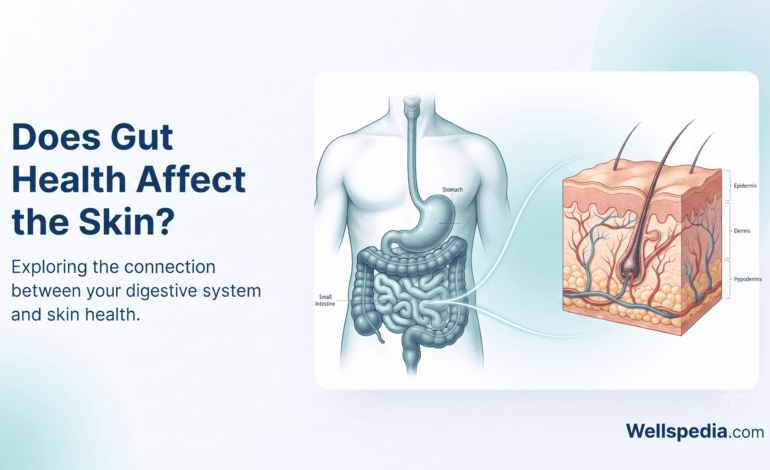
Your skin can sometimes reflect what is happening inside your body. While skincare products help maintain the skin’s outer barrier, factors such as nutrition, digestion, inflammation, and the gut microbiome may also influence skin health.
Scientists are increasingly studying the gut-skin axis, a potential connection between the digestive system and the skin. Research suggests that microorganisms living in the gut may influence immune responses and inflammatory processes that can affect the skin.
But does poor gut health directly cause acne, eczema, or other skin problems? The answer is more complex than many online claims suggest.
In this guide, Wellspedia.com explores how the gut-skin axis works, what current research tells us, and which everyday habits may support both digestive and skin health.
What Is the Gut-Skin Axis?
The gut-skin axis describes the two-way relationship between the gut and the skin through the immune system, inflammatory pathways, microbial activity, and chemical signals produced in the body.
Your digestive tract contains trillions of microorganisms, including bacteria, fungi, and other microbes. Together, these organisms form the gut microbiome.
A balanced gut microbiome helps with several important functions, including:
- Breaking down certain components of food.
- Producing beneficial substances, including some short-chain fatty acids.
- Supporting the intestinal barrier.
- Regulating aspects of the immune system.
- Helping maintain a healthy balance of inflammatory responses.
When the gut microbiome or intestinal barrier is disrupted, these processes may change. Researchers are investigating whether such changes contribute to certain inflammatory skin conditions.
However, the gut-skin axis is still an evolving area of research. A relationship between gut changes and a skin condition does not automatically mean that gut problems are its direct cause.
How Can Gut Health Influence the Skin?
Researchers are investigating several possible pathways that connect the gut and skin.
1. Inflammation and Immune Responses
The gut microbiome helps regulate immune activity. Changes in the microbial community may affect inflammatory signaling throughout the body. Because inflammatory processes contribute to several skin conditions, researchers are exploring whether gut microbiome changes influence their severity.
2. The Intestinal Barrier
The intestinal lining acts as a protective barrier between the contents of the gut and the rest of the body. When this barrier is impaired, interactions between intestinal contents and the immune system can change.
However, the popular claim that a universally defined condition called “leaky gut” explains most skin problems is not supported by strong clinical evidence.
3. Beneficial Microbial Metabolites
Some gut bacteria produce short-chain fatty acids, such as butyrate, when they break down dietary fibre. These substances contribute to intestinal health and may influence immune regulation.
Other microbial products, including compounds derived from tryptophan, are also being studied for their possible effects on skin cells and inflammation.
4. Stress and the Gut-Skin Connection
Stress can affect digestion, sleep, hormones, and inflammatory responses. It can also aggravate some skin conditions.
The relationship works in both directions: visible or uncomfortable skin problems may increase emotional stress, potentially creating a cycle that affects overall well-being.
Skin Conditions That May Be Linked to Gut Health
The strength of evidence differs across skin conditions. The gut microbiome is an active research area, but it is not yet possible to conclude that gut imbalance causes every condition discussed below.
1. Acne
Acne develops through several interacting factors, including excess oil production, clogged hair follicles, inflammation, and hormonal influences. Researchers have identified possible associations between gut microbiome changes and acne, but the evidence does not establish gut imbalance as a universal cause.
Diet may also play a role. Some studies suggest that a low-glycemic eating pattern may help reduce acne in certain people, although diet alone is not a substitute for appropriate treatment.
2. Eczema (Atopic Dermatitis)
Eczema is a chronic inflammatory condition associated with skin-barrier dysfunction and immune-system activity. Studies have found differences in gut microbiomes between some people with eczema and healthy controls.
Research into probiotics has produced mixed results, although some trials suggest possible benefits for selected patients. Probiotics should not replace prescribed eczema treatments.
3. Psoriasis
Psoriasis is an immune-mediated inflammatory disease that causes thickened, scaly patches of skin. Scientists are studying whether differences in gut bacteria and microbial metabolites are associated with the inflammatory processes involved in psoriasis.
These findings are promising but do not prove that improving gut health alone can treat or prevent psoriasis.
4. Rosacea
Rosacea can cause persistent facial redness, visible blood vessels, and acne-like bumps. Some research has explored associations between rosacea and gastrointestinal conditions or changes in gut microorganisms.
These associations do not mean that everyone with rosacea has a digestive problem. A dermatologist can help identify triggers and recommend suitable treatment.
Signs That Your Digestive Health May Need Attention
Skin changes alone cannot diagnose an intestinal problem. However, if skin symptoms occur alongside persistent digestive complaints, it may be useful to discuss both with a healthcare professional.
Pay attention to symptoms such as:
- Frequent bloating or abdominal discomfort.
- Persistent constipation or diarrhea.
- Ongoing changes in bowel habits.
- Unexplained weight loss or nutritional deficiencies.
- Recurrent skin inflammation alongside digestive symptoms.
Seek medical advice for persistent symptoms. Blood in the stool, severe abdominal pain, or unexplained weight loss warrants prompt assessment. Severe pain, heavy bleeding, or signs of dehydration may require urgent care.
7 Practical Ways to Support Gut and Skin Health
Supporting your digestive health does not require an expensive detox, a restrictive diet, or a large collection of supplements. Start with sustainable habits.
1. Eat a Variety of Fiber-Rich Foods
Dietary fiber supports bowel regularity and provides nourishment for certain beneficial gut microorganisms.
Include a variety of foods, such as:
- Oats and other whole grains.
- Beans, chickpeas, and lentils.
- Apples, berries, and other whole fruits.
- Vegetables such as carrots, spinach, and broccoli.
- Nuts and seeds.
Increase fiber gradually and drink enough water to reduce the likelihood of digestive discomfort.
2. Include Fermented Foods If You Tolerate Them
Foods such as plain yogurt with live cultures, kefir, and some traditionally fermented vegetables may contribute useful microorganisms to the diet.
However, fermented foods are not all equivalent, and not every product contains live microorganisms at the time of consumption. They should complement, rather than replace, a balanced diet.
3. Stay Hydrated
Adequate fluid intake supports normal bodily functions and can help prevent constipation, particularly when combined with sufficient dietary fiber.
Your fluid needs vary with activity, climate, diet, and medical conditions.
4. Limit Excess Added Sugar and Highly Processed Foods
Frequent consumption of sugary drinks, sweets, and heavily refined foods can make it harder to maintain a balanced diet.
Some research suggests that high-glycemic eating patterns may worsen acne in certain individuals. Rather than eliminating entire food groups, focus on balanced meals containing fiber-rich carbohydrates, protein, healthy fats, fruits, and vegetables.
5. Get Enough Sleep
Consistent sleep supports immune function, mood, and general well-being. Poor sleep may also make it more difficult to manage stress and maintain healthy routines.
Aim for a regular sleep schedule and choose a bedtime that allows adequate rest.
6. Manage Stress Regularly
Consider walking, gentle exercise, breathing exercises, meditation, or another relaxing activity that suits your lifestyle.
Stress management cannot cure an inflammatory skin disease, but it may help some people manage symptoms and improve their overall quality of life.
7. Follow a Simple, Consistent Skincare Routine
Healthy skin needs direct care as well as attention to general health.
- Use a gentle cleanser suited to your skin type.
- Apply a moisturizer to support the skin barrier.
- Use broad-spectrum sunscreen with SPF 30 or higher.
- Introduce new skincare products gradually.
- Avoid harsh scrubs and excessive exfoliation.
If you have persistent acne, eczema, rosacea, or another skin condition, seek appropriate dermatological advice rather than relying on dietary changes alone.
Should You Take Probiotics for Better Skin?
Probiotics are live microorganisms that may provide health benefits when taken in appropriate amounts. They are available in certain foods and dietary supplements.
Researchers are studying whether particular probiotic strains can influence inflammation and improve outcomes in conditions such as atopic dermatitis. Some studies report benefits, but results vary by strain, formulation, patient group, and treatment duration.
The evidence is not strong enough to recommend one probiotic product for everyone seeking clearer skin.
Before taking a probiotic supplement:
- Discuss it with a healthcare professional if you have an underlying medical condition.
- Ask for advice if you are immunocompromised or seriously ill.
- Do not stop prescribed skin medication in favor of a supplement.
- Be cautious of products claiming to cure acne, eczema, or all skin problems by repairing the gut.
Important: Probiotic supplements are not necessary for everyone, and more is not automatically better.
Does Poor Gut Health Cause Acne?
Not necessarily. Acne is a multifactorial skin condition influenced by hormones, oil production, blocked follicles, inflammation, genetics, and environmental factors.
Gut microbiome research has identified possible associations, but there is insufficient evidence to conclude that poor gut health is the main cause of acne in most people.
If you suspect that a particular food worsens your breakouts, keep a simple food and symptom diary. Discuss persistent or severe acne with a dermatologist instead of following an unnecessarily restrictive diet.
When Should You See a Doctor?
Consider professional evaluation if you experience:
- Persistent or worsening acne despite appropriate skincare.
- Severe itching, painful skin lesions, or recurrent rashes.
- Digestive symptoms that continue or repeatedly return.
- Skin problems accompanied by unexplained weight loss or ongoing bowel changes.
- Symptoms that interfere with sleep, daily activities, or emotional well-being.
A healthcare professional can assess possible causes, review medications and dietary patterns, and recommend appropriate testing or treatment when necessary.
Frequently Asked Questions (FAQs)
1. Can Improving Gut Health Make Your Skin Clearer?
It may support overall health, and some dietary changes may benefit certain people. However, there is no guarantee that improving gut health will clear acne or other skin conditions. Results depend on the underlying cause.
2. How Long Does It Take to See Skin Improvements After Changing Your Diet?
There is no universal timeline. Changes in eating habits may affect digestive symptoms at different rates, while acne treatments often require several weeks to show noticeable results. Persistent skin problems may need medical treatment.
3. Are Probiotics Good for Acne?
Research is ongoing. Some early findings are promising, but evidence is not sufficient to recommend probiotics as a universal acne treatment. A probiotic should not replace proven skincare or prescribed medication.
4. Can Constipation Cause Skin Problems?
Constipation does not automatically cause acne, rashes, or dull skin. Persistent constipation deserves attention because of its digestive effects, but any accompanying skin problem should be assessed on its own merits.
5. Which Foods Are Best for Gut and Skin Health?
A varied diet containing vegetables, fruits, whole grains, legumes, nuts, and suitable sources of protein is a sensible starting point. Fermented foods may also fit into a balanced diet if tolerated. No single food can guarantee clear skin.
6. Is a Gut Detox Necessary for Glowing Skin?
No. Commercial detox diets and cleanses have not been shown to be necessary for healthy skin. Your body already has systems, including the liver and kidneys, that process and eliminate waste. Focus on balanced nutrition, hydration, sleep, and appropriate skincare.
7. Does Everyone With Eczema or Acne Have an Unhealthy Gut?
No. These conditions have multiple causes, and having a skin condition does not mean that your gut microbiome is unhealthy. Avoid assuming that a digestive disorder is responsible without a proper assessment.
Final Thoughts
The gut-skin axis is an exciting area of medical research that may help explain how the digestive system, immune responses, and skin communicate with one another. Studies suggest possible links between gut microbiome changes and inflammatory skin conditions, including acne, eczema, and psoriasis. However, the strength of evidence varies, and many questions remain unanswered.
The most practical approach is to support your health with a varied, fiber-rich diet, adequate sleep, hydration, stress management, and a consistent skincare routine. If you have persistent skin or digestive symptoms, seek professional advice rather than relying on supplements or restrictive diets.
Healthy skin starts with informed choices—not miracle cures.
Medical Disclaimer
This article is for educational purposes only and does not replace individualized medical advice, diagnosis, or treatment. Consult a qualified healthcare professional for personal medical concerns.