Basal Ganglia Stroke Rehabilitation: Exercises, Therapy and Recovery Tips
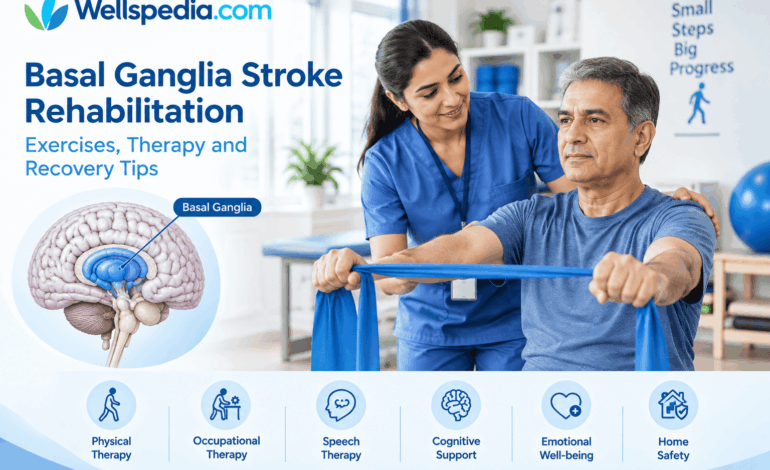
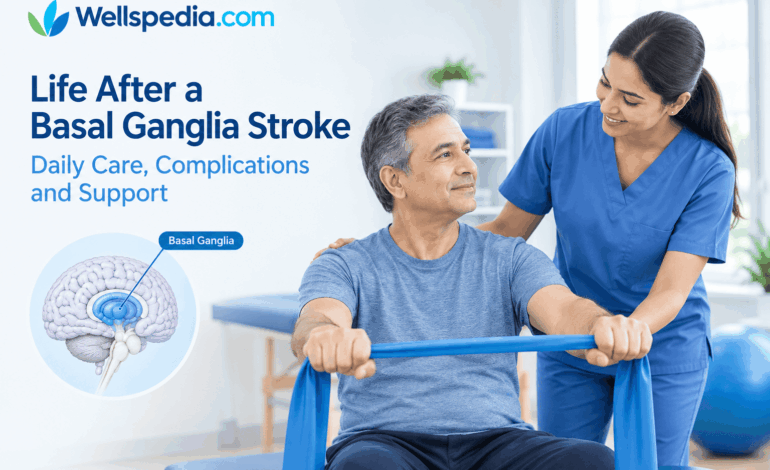
Recovering from a basal ganglia stroke can involve changes in movement, balance, speech, coordination, and everyday activities. Basal ganglia stroke rehabilitation focuses on helping survivors regain skills, improve independence, and adapt to difficulties caused by the brain injury.
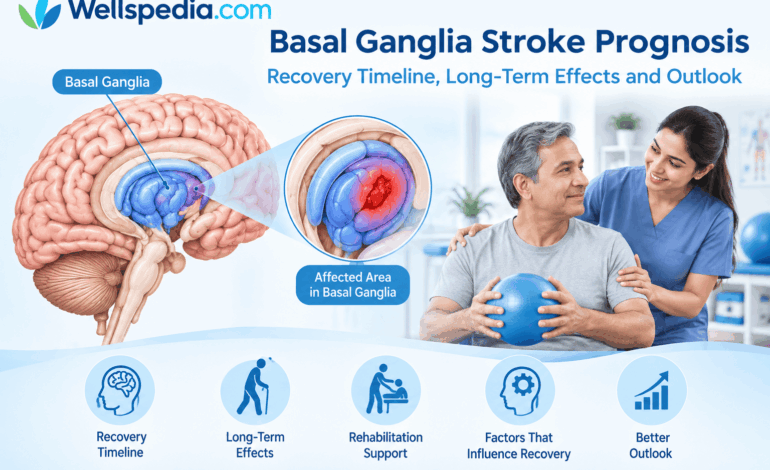
The basal ganglia are structures deep within the brain that help regulate movement and coordinate activity with other brain regions. When a stroke damages this area or its connected pathways, a person may experience weakness, stiffness, slower movements, or difficulty performing familiar tasks.
Recovery varies from person to person. A personalized rehabilitation plan, regular reassessment, and support from qualified healthcare professionals can help survivors work toward meaningful goals. This guide explains the types of therapy, rehabilitation activities, home safety measures, and recovery strategies that may help after a basal ganglia stroke.
What Is Basal Ganglia Stroke Rehabilitation?
Basal ganglia stroke rehabilitation is a structured process that helps a person recover abilities affected by a stroke. It may begin in the hospital once the medical team determines that the patient is stable enough to participate.
Rehabilitation does not reverse the original brain injury. Instead, it aims to improve function, practise lost skills, develop new strategies, and support greater independence.
Depending on the person’s needs, rehabilitation may include:
- Physical therapy for movement, strength, balance, and walking.
- Occupational therapy for everyday activities and hand function.
- Speech-language therapy for communication and swallowing difficulties.
- Cognitive rehabilitation for attention, memory, and planning.
- Psychological support for emotional changes and adjustment.
- Caregiver education and home-safety planning.
The American Stroke Association explains that stroke rehabilitation should be tailored to the individual and may continue well beyond the initial hospital stay.
Learn more in our Basal Ganglia Stroke: Types, Symptoms, Treatment and Recovery Guide.
Why Is Rehabilitation Important After a Basal Ganglia Stroke?
A stroke can interfere with the brain networks responsible for controlling movement and performing everyday activities. Rehabilitation provides opportunities to practise skills and improve how a person completes tasks.
Potential goals include:
- Improving strength and movement control.
- Practising safe standing, transfers, and walking.
- Improving balance and reducing fall risk.
- Regaining the use of the affected arm and hand.
- Improving communication and swallowing when needed.
- Building confidence with dressing, bathing, and eating.
- Managing fatigue and adapting daily routines.
- Supporting emotional well-being and social participation.
Not everyone will achieve the same results. Progress depends on the extent of the injury, medical conditions, the person’s abilities, and their response to rehabilitation.
Types of Therapy After a Basal Ganglia Stroke
1. Physical Therapy
Physical therapy addresses movement difficulties that affect walking, balance, posture, transfers, and strength.
A physiotherapist may assess muscle strength, coordination, sensation, balance, walking ability, and fall risk. Based on the assessment, they can develop an individualized program.
Treatment may involve supervised walking practice, balance training, movement exercises, strength-building activities, and repeated practice of functional tasks.
People with significant weakness or poor balance may need close supervision or mobility aids. Exercises should be adjusted to the person’s abilities and medical condition.
2. Occupational Therapy
Occupational therapy helps people practise activities needed for daily life.
These activities may include:
- Getting dressed and managing fasteners.
- Brushing teeth and grooming.
- Eating and handling utensils.
- Using household objects safely.
- Preparing simple meals when appropriate.
- Improving hand coordination for everyday tasks.
- Adapting the home to make activities easier.
An occupational therapist may recommend assistive equipment, changes to the layout of the home, or alternative techniques for completing tasks safely.
3. Speech and Language Therapy
Some stroke survivors experience slurred speech, language difficulties, or swallowing problems.
A speech-language therapist can assess the specific difficulty and recommend appropriate treatment. Therapy may focus on clearer speech, communication strategies, language skills, or swallowing safety.
Do not assume that every basal ganglia stroke causes a speech problem. The effects depend on the affected brain networks and the nature of the injury.
4. Cognitive Rehabilitation
A stroke can sometimes affect attention, memory, processing speed, planning, and problem-solving.
Cognitive rehabilitation may include structured practice, routines, reminders, written checklists, and strategies for managing daily tasks. The approach depends on the person’s assessment and goals.
5. Emotional and Psychological Support
Life after a stroke can bring frustration, anxiety, low mood, or changes in confidence. These difficulties deserve attention alongside physical recovery.
A healthcare professional may recommend counselling, psychological therapy, peer support, or other appropriate care. Tell the medical team if emotional changes interfere with sleep, motivation, relationships, or rehabilitation.
Exercises After a Basal Ganglia Stroke
Exercise selection depends on the person’s strength, balance, movement control, medical stability, and risk of falls. A physiotherapist should demonstrate and approve the exercises before they are attempted at home.
The activities below are examples of areas a rehabilitation program may address. They are not a personalized exercise prescription.
1. Supported Sitting and Posture Practice
For some patients, rehabilitation begins with improving posture and control while sitting.
A therapist may help the person practise maintaining a stable sitting position and making controlled movements while appropriately supported. This can provide a foundation for other activities.
Safety: People who cannot sit securely without help should not attempt unsupported sitting exercises alone.
2. Sit-to-Stand Practice
Learning to move safely between sitting and standing can help with transfers and everyday independence.
When suitable, a therapist may guide the person through controlled sit-to-stand practice using a stable chair and appropriate support. The therapist can modify the task according to leg strength, balance, and fatigue.
Safety: Do not practise standing without assistance if the person is at risk of falling or cannot control their movements.
3. Supported Walking Practice
Walking practice may help suitable patients improve mobility, endurance, and confidence.
A physiotherapist may work on weight shifting, stepping, turning, walking with an aid, or navigating familiar spaces. The type and amount of practice depend on the person’s abilities.
Safety: A person with severe weakness, dizziness, poor balance, or recent falls may require supervised therapy rather than independent walking.
4. Arm and Hand Activities
A stroke may make reaching, grasping, holding objects, or using the affected hand difficult.
When recommended by an occupational therapist or physiotherapist, rehabilitation may involve reaching toward objects, grasping and releasing suitable items, or practising familiar tasks. The activities should match the person’s movement control and ability to follow instructions.
Safety: Stop and seek professional advice if an activity causes new pain, significant discomfort, or unusual symptoms. Do not force a weak or painful arm through a movement.
5. Balance and Coordination Training
Balance difficulties can increase the risk of falls during walking, transfers, and everyday activities.
A therapist may introduce supported weight shifting, controlled reaching, stepping practice, or other balance activities. More challenging tasks should only be attempted when the person is ready.
Safety: Avoid standing on one leg, walking on uneven surfaces, or performing unsupported balance exercises unless a qualified therapist has assessed and approved them.
The American Stroke Association’s exercise guidance recommends discussing exercise readiness and safety with a healthcare professional before beginning a program.
How to Support Stroke Recovery at Home
Home recovery should follow the discharge instructions and rehabilitation plan provided by the healthcare team.
Create a Safer Environment
Simple changes may reduce avoidable risks:
- Keep walkways clear of clutter and loose cables.
- Improve lighting, particularly at night.
- Use handrails where appropriate.
- Follow professional advice about bathroom safety equipment.
- Keep frequently used items within easy reach.
- Use prescribed mobility aids as instructed.
- Arrange assistance for activities that are not yet safe to perform independently.
The right changes depend on the person’s mobility, vision, cognition, and home environment.
Follow the Recommended Rehabilitation Plan
Keep scheduled appointments and practise only the activities recommended by the rehabilitation team. Consistent practice can help reinforce skills, but exercises should be adapted when fatigue, pain, or other problems arise.
If an activity becomes too difficult or unsafe, contact the therapist rather than increasing the difficulty independently.
Manage Fatigue
Post-stroke fatigue can make physical and mental tasks challenging. A person may need rest periods, a manageable daily schedule, and a gradual return to activities.
Ask the healthcare team how to balance rest with rehabilitation. Excessive fatigue should not be treated as a personal failure or a reason to abandon recovery goals.
Encourage Independence Safely
Allow the survivor to participate in appropriate daily tasks rather than automatically doing everything for them. At the same time, provide the assistance needed to prevent falls and other injuries.
The rehabilitation team can explain which activities are safe to attempt independently and which require supervision.
How Long Does Basal Ganglia Stroke Rehabilitation Take?
There is no single timeline for rehabilitation after a basal ganglia stroke.
Some people begin practising basic activities during their hospital stay. Others require longer periods of supervised care before they can participate in more demanding therapy.
Recovery can continue for months or years. Progress may be faster during some periods and slower during others. A plateau does not necessarily mean that no further improvement is possible.
Rehabilitation goals should be reviewed regularly. As a person’s abilities change, the team may adjust the type, intensity, or setting of therapy.
For more details, read our article on Basal Ganglia Stroke Prognosis: Recovery Timeline, Long-Term Effects and Outlook. Confirm that the page is published before using this internal link.
Can a Person Walk Normally Again After a Basal Ganglia Stroke?
Some survivors regain independent walking, while others continue to need a cane, walker, wheelchair, or assistance from another person.
The outcome depends on the severity and location of the injury, leg strength, balance, coordination, sensation, endurance, and other health conditions.
A physiotherapist can assess walking ability and create an appropriate program. Progress should be measured against individual goals, not compared with another survivor’s recovery.
Can Hand Movement Improve After a Basal Ganglia Stroke?
Hand function may improve with individualized rehabilitation, particularly when therapy focuses on movements and tasks relevant to daily life.
A person may practise reaching, grasping, releasing objects, or using the hand during suitable everyday activities. The program should reflect the person’s current ability and be adjusted as progress occurs.
Some survivors continue to experience weakness, stiffness, reduced coordination, or limited hand function. An occupational therapist can recommend strategies and equipment to support independence.
Common Challenges During Rehabilitation
Recovery is not always straightforward. Patients and caregivers may encounter several challenges.
Muscle Stiffness and Weakness
Changes in muscle tone or weakness may make movement difficult. A rehabilitation professional can assess the problem and recommend suitable positioning, movement practice, equipment, or other interventions.
Fear of Falling
A person who has experienced a fall or feels unsteady may become reluctant to move. Appropriate assessment, supervised practice, mobility aids, and home modifications can help address safety concerns.
Low Motivation or Mood Changes
Depression and anxiety can occur after a stroke and may interfere with participation in rehabilitation. These symptoms should be discussed with a healthcare professional because support and treatment are available.
Caregiver Stress
Helping someone recover can be physically and emotionally demanding. Caregivers should receive practical training, take breaks when possible, and seek support when responsibilities become difficult to manage.
When Should You Contact a Doctor?
Contact the treating healthcare team if rehabilitation causes persistent pain, new swelling, repeated falls, worsening fatigue, or a noticeable decline in function.
Seek emergency medical help immediately for new or sudden symptoms such as facial drooping, weakness or numbness on one side, trouble speaking, sudden vision problems, loss of balance, or a severe unexplained headache. Do not wait to see whether symptoms improve.
In India, call 112 for emergency assistance.
Frequently Asked Questions
1. What is the best therapy after a basal ganglia stroke?
The best therapy depends on the person’s specific difficulties. Physical therapy may help with movement and balance, occupational therapy with daily activities, and speech-language therapy with communication or swallowing. Many people benefit from a coordinated rehabilitation team.
2. Can exercises reverse basal ganglia stroke damage?
Exercises do not reverse the original brain injury. Rehabilitation can help improve function, practise skills, develop compensatory strategies, and support independence.
3. Should stroke survivors exercise every day?
The appropriate schedule depends on medical stability, ability, fatigue, and the rehabilitation plan. Follow the recommendations of the treating team rather than starting an unsupervised exercise routine.
4. Can rehabilitation help months after a stroke?
Yes. Some people continue to benefit from rehabilitation or adapted activities months or years after a stroke. A professional reassessment can identify suitable goals and approaches.
5. Can family members help with stroke rehabilitation?
Family members can provide encouragement, help maintain a safe environment, and support activities recommended by the care team. They should learn safe assistance techniques and avoid moving or exercising the survivor in ways they have not been trained to perform.
6. What should be avoided during stroke recovery?
Avoid unsupervised exercises that create a fall risk, forcing painful movements, changing medication without medical advice, and ignoring new symptoms. Ask the rehabilitation team about any activity that seems unsafe or causes concern.
Conclusion
Basal ganglia stroke rehabilitation aims to help survivors improve movement, communication, daily functioning, and independence. Physical therapy, occupational therapy, speech-language therapy, cognitive support, and caregiver involvement may all contribute to an individualized recovery plan.
There is no universal recovery timeline, and not everyone regains the same abilities. Regular reassessment, safe practice, appropriate support, and ongoing communication with healthcare professionals can help survivors work toward realistic goals.
Medical disclaimer: This article is for educational purposes only and does not replace professional medical advice, diagnosis, or treatment. All post-stroke exercises and rehabilitation activities should be selected or approved by qualified healthcare professionals.