Basal Ganglia Stroke Prognosis: Recovery Timeline, Long-Term Effects and Outlook
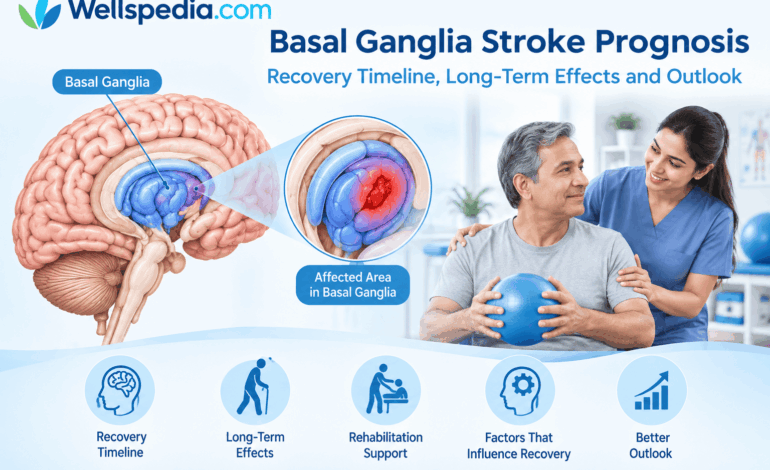
A basal ganglia stroke prognosis depends on several factors, including the size and location of the brain injury, the type of stroke, how quickly treatment begins, the person’s overall health, and access to rehabilitation. Some people regain many of their previous abilities, while others experience lasting changes in movement, speech, memory, or independence.
The basal ganglia are a group of structures deep inside the brain that help regulate movement, coordination, learning, and other functions. A stroke affecting this region may interfere with everyday activities, but the outcome is not the same for everyone.
Understanding the possible recovery timeline, treatment options, and rehabilitation process can help patients and caregivers prepare for the journey ahead.
What Is Basal Ganglia Stroke Prognosis?
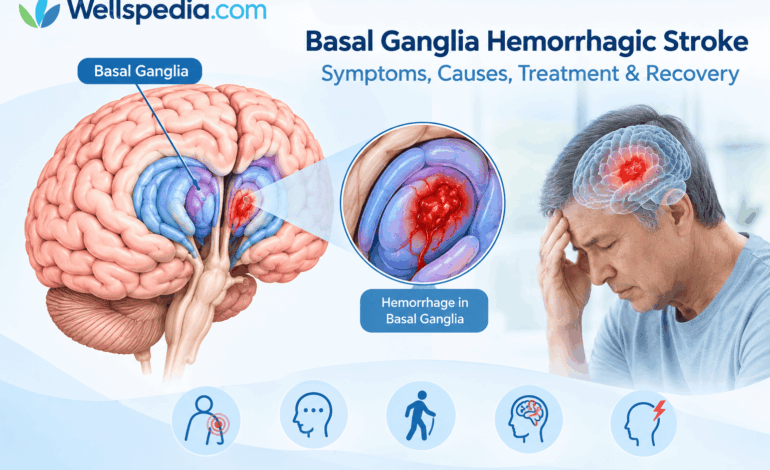
Basal ganglia stroke prognosis refers to the expected course of recovery after a stroke damages this area of the brain. The injury may result from a blocked blood vessel, known as an ischemic stroke, or bleeding inside the brain, known as a hemorrhagic stroke.
The effects depend on the affected structures and the extent of the injury. Some survivors experience weakness or difficulty controlling movement. Others may develop speech difficulties, changes in thinking, emotional challenges, or problems with daily activities.
Doctors assess the prognosis using neurological examinations, brain imaging, medical history, the patient’s progress, and their response to treatment and rehabilitation. An early estimate may change as the person’s condition becomes clearer.
For a broader explanation of stroke types, symptoms, treatment, and recovery, read our Basal Ganglia Stroke: Types, Symptoms, Treatment and Recovery Guide.
Factors That Affect Basal Ganglia Stroke Recovery
Several factors influence how much function a person may regain after a basal ganglia stroke.
1. Stroke Severity and Size
The amount of brain tissue affected is an important factor. A smaller injury may cause relatively limited problems, while a larger stroke can affect several functions and require more extensive rehabilitation.
However, stroke size alone cannot determine an individual’s outcome. The exact location of the injury and the functions involved also matter.
2. Type of Stroke
An ischemic stroke occurs when a blood vessel supplying the brain becomes blocked. A hemorrhagic stroke occurs when a blood vessel ruptures and blood enters surrounding brain tissue.
Both types can cause serious injury, but their treatments differ. The treatment team must identify the stroke type before choosing appropriate management.
3. How Quickly Treatment Begins
Prompt medical assessment is essential because some treatments are time-sensitive. Eligible patients with an ischemic stroke may benefit from treatments that restore blood flow, while hemorrhagic stroke management may involve controlling bleeding, managing blood pressure, reversing certain blood-thinning medicines, or selected procedures.
Early treatment can limit additional brain damage in appropriate cases, although it cannot guarantee complete recovery.
4. Age and Overall Health
Age alone does not determine the outcome. Existing health conditions, physical fitness, previous disability, diabetes, high blood pressure, heart disease, and other medical issues may affect treatment choices and recovery.
5. Rehabilitation and Support
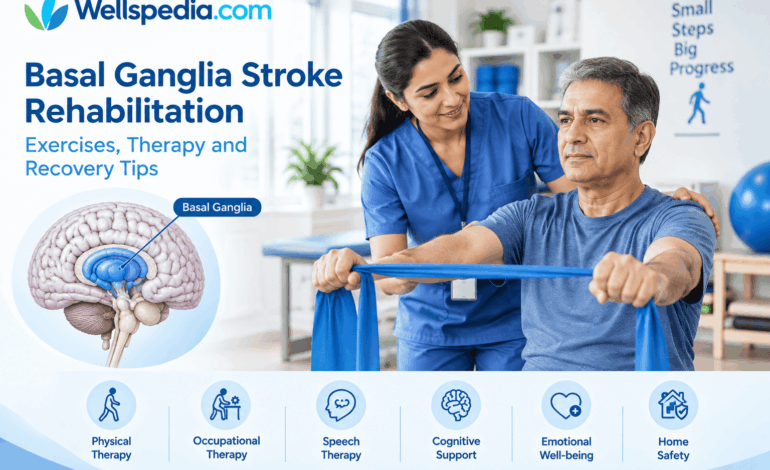
Rehabilitation helps survivors work toward greater independence and improve affected abilities. Depending on individual needs, the program may include physical therapy, occupational therapy, speech-language therapy, and psychological support.
Family involvement, a safe home environment, regular follow-up, and a personalized rehabilitation plan can also support recovery.
Is Recovery Possible After a Basal Ganglia Stroke?
Yes. Recovery is possible after a basal ganglia stroke, but the degree of improvement varies considerably.
Some people regain much of their strength, coordination, communication, and independence. Others continue to experience weakness, stiffness, difficulty walking, speech problems, or cognitive changes. Some need long-term assistance with everyday activities.
The brain can adapt after an injury, and rehabilitation can help people practise skills, develop strategies, and improve their ability to perform daily tasks. Progress may continue for months or years, even after formal rehabilitation ends.
It is important to set realistic, individualized goals with the treating medical and rehabilitation team. A person’s early symptoms do not always predict their final level of recovery.
Basal Ganglia Stroke Recovery Timeline
There is no fixed recovery timeline for every patient. The stages below are general descriptions, not a prediction of what will happen to a particular person.
First 24–72 Hours: Emergency Treatment and Stabilization
The immediate priority is to identify the stroke type, stabilize the patient, and prevent further injury. The medical team may use brain imaging, blood tests, neurological assessments, and other investigations to guide treatment.
Patients are monitored for complications such as worsening neurological symptoms, swelling, swallowing difficulties, or changes in consciousness. Rehabilitation planning may begin when the medical team considers it safe.
First Week: Early Recovery and Assessment
Once the patient is medically stable, the healthcare team evaluates movement, balance, communication, swallowing, cognition, and the ability to perform everyday tasks.
Some patients begin rehabilitation in the hospital. Others may need additional medical care before participating in more intensive therapy.
The next step depends on the severity of the stroke, medical stability, and the level of assistance required.
Weeks 1–12: Rehabilitation and Functional Improvement
Many survivors make noticeable progress during the first few months. Therapy may focus on improving strength, practising safe transfers, relearning walking skills, using the affected arm, communicating more effectively, and managing daily activities.
Progress can be uneven. A person may improve in one area while continuing to struggle in another. Regular reassessment helps the rehabilitation team adjust goals and treatment.
Three to Six Months: Continued Progress
Recovery may continue as the person practises skills and builds endurance. Some improvements become more gradual, but this does not mean progress has stopped.
Therapy may focus on balance, coordination, fine motor skills, speech, memory, fatigue management, and returning to family, social, or work activities where appropriate.
Six Months and Beyond: Long-Term Recovery
Recovery does not necessarily end at six months. Some survivors continue to improve for years, while others may have lasting disabilities that require ongoing support.
Long-term care may include follow-up appointments, home exercises prescribed by a therapist, assistive devices, medication management, and strategies for maintaining independence.
The American Stroke Association’s stroke rehabilitation resources explain how rehabilitation can support recovery over time.
Short-Term and Long-Term Effects of a Basal Ganglia Stroke
The effects of a basal ganglia stroke vary according to the area and extent of the injury.
Movement Problems
Possible movement-related effects include:
- Weakness or reduced control on one side of the body.
- Muscle stiffness or abnormal muscle tone.
- Difficulty with balance, coordination, or walking.
- Slower or less controlled movements.
- Difficulty using the hand or arm for everyday tasks.
These symptoms may affect dressing, bathing, eating, writing, or moving around safely.
Speech and Communication Difficulties
Some people experience slurred speech, difficulty producing words, or language difficulties if other connected brain regions or pathways are affected.
Speech-language therapy can help address communication problems and, when necessary, swallowing difficulties.
Cognitive Changes
A stroke may affect attention, processing speed, planning, memory, or problem-solving. The nature and severity of these changes differ from person to person.
A healthcare professional can assess these difficulties and recommend suitable cognitive rehabilitation or practical strategies.
Emotional and Behavioural Changes
Some survivors experience frustration, anxiety, depression, reduced motivation, or changes in emotional control. These symptoms should not be dismissed as a normal part of recovery.
Tell the healthcare team about persistent mood changes, sleep problems, or emotional difficulties. Support and treatment may help improve quality of life.
Fatigue and Reduced Independence
Post-stroke fatigue can make everyday activities more demanding. A person may need rest breaks, help with household tasks, mobility aids, or adjustments to their home.
A rehabilitation professional can recommend ways to conserve energy and reduce the risk of falls.
Can a Person Walk Again After a Basal Ganglia Stroke?
Some people regain the ability to walk independently, while others need a cane, walker, wheelchair, or assistance from another person.
Walking recovery depends on factors such as leg strength, balance, coordination, sensation, endurance, other medical conditions, and the severity of the stroke. The ability to walk safely should be assessed by a qualified healthcare professional.
Physical therapy may include supervised balance exercises, strength training, transfer practice, gait training, and instruction in using mobility aids. Patients should not attempt challenging walking exercises alone if they are at risk of falling.
Can Speech Return After a Basal Ganglia Stroke?
Speech and communication may improve after a stroke, particularly when rehabilitation addresses the specific problem.
Some people have dysarthria, which affects the clarity of speech because the muscles used for speaking are difficult to control. Others may experience language problems if the stroke affects connected language networks.
A speech-language therapist can assess communication and recommend individualized exercises and strategies. Progress varies, and some people continue to need communication support.
Sudden new or worsening speech difficulty is an emergency, even if it appears to improve.
Rehabilitation After a Basal Ganglia Stroke
Rehabilitation is an important part of recovery. The program should match the survivor’s medical condition, abilities, priorities, and personal goals.
Physical Therapy
Physical therapy may help improve strength, balance, movement, transfers, and walking. The therapist can also advise on safe exercise and fall prevention.
Occupational Therapy
Occupational therapy focuses on daily activities such as dressing, bathing, preparing meals, using household items, and returning to meaningful routines. It may include adaptive equipment and changes to the home environment.
Speech and Language Therapy
Speech-language therapy may address speech clarity, language, communication strategies, and swallowing problems when present.
Cognitive and Emotional Support
Assessment and support may help with memory, attention, planning, depression, anxiety, and adjustment to life after stroke.
Family and Caregiver Involvement
Caregivers can support appointments, help maintain a safe environment, and encourage activities recommended by the rehabilitation team. They should also learn safe transfer techniques and recognize warning signs that require medical attention.
Caregivers need support, too. Sharing responsibilities and discussing concerns with the healthcare team can help make long-term care more manageable.
Can a Basal Ganglia Stroke Be Fatal?
Yes. A basal ganglia stroke can be life-threatening, particularly when the injury is extensive or a hemorrhage causes significant bleeding, swelling, or pressure inside the skull.
However, the term “basal ganglia stroke” alone does not determine whether a stroke will be fatal. The type, size, location, complications, overall health, and speed of treatment all matter.
Only the treating medical team can provide an informed assessment based on the patient’s examination, imaging, and clinical progress.
How to Reduce the Risk of Another Stroke
After a stroke, preventing another event is an important part of long-term care. The prevention plan should be based on the cause of the original stroke and the patient’s medical history.
Helpful steps may include:
- Manage blood pressure: Follow the clinician’s advice on monitoring and treatment.
- Control diabetes and cholesterol: Attend recommended check-ups and follow the prescribed plan.
- Take medicines as directed: Do not start, stop, or change antiplatelet medicines, anticoagulants, or blood pressure medicines without medical advice.
- Avoid smoking: Ask a healthcare professional for support with stopping tobacco use.
- Follow a balanced diet: Choose a sustainable eating pattern suited to your health needs.
- Be physically active when cleared: Ask the treating team what activity is safe after the stroke.
- Attend follow-up appointments: Review risk factors, medication, rehabilitation needs, and any new symptoms.
Not every prevention strategy is suitable for every patient. For example, medicines used to prevent clots depend on the stroke type and its cause, so individualized medical advice is essential.
When to Seek Emergency Medical Help
A new stroke can occur even in someone who has already experienced one. Seek emergency medical care immediately if a person develops sudden:
- Face drooping.
- Weakness or numbness in an arm or leg, especially on one side.
- Trouble speaking or understanding speech.
- Loss of balance, coordination, or vision.
- Severe headache with no known cause.
Do not wait for symptoms to disappear or attempt to treat a suspected stroke at home. Contact local emergency services immediately. In India, call 112 for emergency assistance.
Frequently Asked Questions
1. What is the life expectancy after a basal ganglia stroke?
There is no single life-expectancy figure that applies to everyone. The outlook depends on the type and severity of the stroke, complications, underlying health conditions, and prevention of another stroke. The treating medical team can discuss the individual situation.
2. How long does it take to recover from a basal ganglia stroke?
Some improvement may occur in the first days and weeks, with further progress over months or longer. Recovery may continue for years, although the rate and extent of improvement differ between individuals.
3. Can a basal ganglia stroke cause permanent disability?
Yes. Some survivors experience lasting movement, speech, cognitive, or emotional difficulties. Others regain substantial function. The outcome depends on the injury and the response to treatment and rehabilitation.
4. Is a small basal ganglia stroke less serious?
A smaller stroke may cause fewer problems than a larger one, but size alone cannot establish how serious the injury is. Location, symptoms, complications, and other health factors also influence the outcome.
5. Can rehabilitation still help after six months?
Yes. Rehabilitation and guided activity may continue to support function, independence, safety, and quality of life beyond six months. The team can reassess goals and adapt the program to the person’s current needs.
6. Does a basal ganglia stroke affect memory?
It can affect attention, processing speed, planning, or memory, depending on the structures and brain networks involved. If cognitive changes interfere with daily life, ask the healthcare team about assessment and appropriate support.
7. What is the most important factor in basal ganglia stroke recovery?
There is no single factor that determines recovery. Stroke severity, location, timely treatment, overall health, complications, and access to appropriate rehabilitation all contribute to the outcome.
Conclusion
A basal ganglia stroke prognosis varies from person to person. Some survivors recover many of their previous abilities, while others need ongoing rehabilitation and support for lasting symptoms. The stroke type, extent of brain injury, early medical treatment, general health, and individualized rehabilitation all influence the recovery journey.
Following the medical team’s recommendations, attending follow-up appointments, working toward realistic rehabilitation goals, and managing stroke risk factors can help support the best possible outcome. New or sudden stroke symptoms always require emergency assessment.
Medical disclaimer: This article is for general educational purposes only and does not replace medical advice, diagnosis, or treatment. Stroke prognosis and rehabilitation should be discussed with qualified healthcare professionals familiar with the individual patient’s condition.