Can Bladder Cancer Be Treated Without Removing the Bladder?

A diagnosis of bladder cancer does not always mean that doctors need to remove the entire bladder. In selected patients, bladder cancer treatment without bladder removal can control the disease while allowing the person to keep their bladder and continue natural urination.
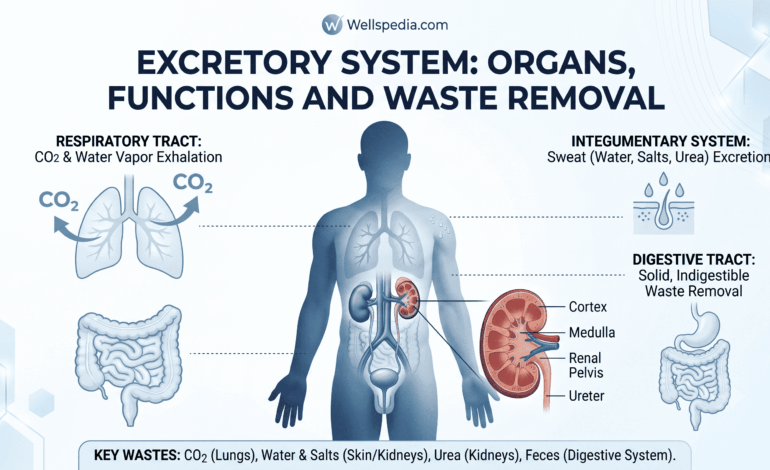
Doctors choose treatment based on several factors, including the cancer stage, tumor size, location, number of tumors, bladder function, and overall health. Understanding how the body removes waste through the excretory system can also help readers understand the role of the urinary system. Depending on these factors, treatment may include TURBT, intravesical therapy, partial cystectomy, chemotherapy, radiation therapy, or trimodal therapy.
However, bladder-sparing treatment does not work for every patient. Therefore, patients should discuss their options with a urologist and cancer care team before choosing a treatment plan.
Understanding Bladder Cancer
What Is Bladder Cancer?
The bladder is a hollow organ in the lower abdomen that stores urine. Bladder cancer develops when abnormal cells in the bladder grow and multiply without normal control.
Several factors can increase the risk of bladder cancer, including:
- Smoking and tobacco exposure
- Certain workplace chemicals
- Long-term bladder irritation
- Repeated urinary problems
- Increasing age
- A family history of bladder cancer
Because several factors can contribute to bladder cancer, doctors consider a person’s medical history when evaluating the disease.
Types of Bladder Cancer
Bladder cancer can develop from different types of cells. The main types include:
Urothelial carcinoma: This is the most common type of bladder cancer. It begins in the cells that line the inside of the bladder.
Squamous cell carcinoma: This uncommon cancer can develop after long-term inflammation or irritation of the bladder.
Adenocarcinoma: This rare type develops from gland-forming cells.
Small cell carcinoma: This uncommon form can behave aggressively and may require intensive treatment.
Sarcoma: This rare cancer begins in connective or supporting tissues of the bladder.
Non-Muscle-Invasive and Muscle-Invasive Bladder Cancer
Doctors classify bladder cancer partly according to how deeply the tumor has grown into the bladder wall.
Non-Muscle-Invasive Bladder Cancer
Non-muscle-invasive bladder cancer (NMIBC) remains in the inner layers of the bladder. It has not reached the bladder muscle.
Doctors often treat NMIBC with bladder-preserving approaches. However, the risk of recurrence depends on factors such as tumor size, grade, number, and other features.
Muscle-Invasive Bladder Cancer
Muscle-invasive bladder cancer (MIBC) has grown into the muscular layer of the bladder.
Because this cancer has a greater risk of spreading, doctors usually recommend more intensive treatment. Nevertheless, selected patients may qualify for bladder-preserving treatment.
How Is Bladder Cancer Diagnosed?
Doctors use several tests to understand the cancer before selecting treatment. These tests may include:
- Cystoscopy
- Biopsy and laboratory examination of tumor tissue
- CT or MRI scans
- Urine tests
- Physical examination
- Molecular or biomarker testing in selected cases
These results help the medical team determine the cancer stage and select an appropriate treatment strategy.
What Is Bladder-Sparing Treatment?
Bladder-sparing treatment aims to control bladder cancer while keeping the bladder intact.
Radical cystectomy removes the entire bladder. After this surgery, doctors must create another way for urine to leave the body. In contrast, bladder-preserving treatment attempts to control the cancer without removing the entire bladder.
Depending on the cancer, doctors may use:
- Transurethral resection of bladder tumor (TURBT)
- Intravesical BCG or chemotherapy
- Partial cystectomy
- Trimodal therapy
- Selected immunotherapy-based treatments
However, bladder preservation requires careful patient selection. Doctors must make sure that the chosen treatment can provide adequate cancer control.
Who May Be a Candidate for Bladder-Sparing Treatment?
Doctors consider several factors before recommending bladder preservation.
A patient may be considered for this approach when:
- The cancer remains localized
- The patient has a single or limited tumor
- Doctors can remove the visible tumor effectively
- The bladder works well
- The cancer does not involve extensive carcinoma in situ
- The tumor has a location that allows effective treatment
- The patient can complete regular follow-up
- The patient’s overall health supports the proposed treatment
For muscle-invasive bladder cancer, doctors apply stricter selection criteria.
A multidisciplinary team may include a urologist, medical oncologist, radiation oncologist, radiologist, and pathologist. Together, these specialists review the cancer and discuss the safest treatment strategy.
Bladder Cancer Treatment Without Bladder Removal
Several treatment approaches can help selected patients preserve their bladder.
1. Transurethral Resection of Bladder Tumor (TURBT)
TURBT plays an important role in the diagnosis and treatment of bladder cancer, especially non-muscle-invasive disease.
How Does TURBT Work?
During TURBT, the surgeon guides a cystoscope through the urethra and into the bladder. The cystoscope allows the surgeon to see the bladder lining without making an external incision.
Next, the surgeon uses a specialized instrument to remove visible tumor tissue. A laboratory then examines the tissue to determine the cancer type, grade, and depth of invasion.
In some hospitals, doctors may also use blue-light cystoscopy or narrow-band imaging to identify abnormal areas that standard examination might miss.
When Do Doctors Use TURBT?
Doctors use TURBT to:
- Remove visible bladder tumors
- Obtain tissue for diagnosis
- Determine how deeply the cancer has invaded
- Help plan additional treatment
After TURBT, some patients receive medicine directly inside the bladder to reduce the risk of recurrence.
Because bladder cancer can return, some patients need another TURBT during follow-up.
Recovery After TURBT
Many patients return home on the same day or after a short observation period.
Temporary symptoms can include:
- Blood in the urine
- Burning during urination
- Increased urinary frequency
- Bladder discomfort
Recovery time varies according to the procedure and the patient’s general health.
Possible TURBT Complications
TURBT is generally minimally invasive. However, complications can occur.
Possible problems include:
- Bleeding
- Urinary infection
- Bladder perforation
- Temporary urinary symptoms
- Rare fluid or electrolyte problems
Patients should contact their healthcare team if they develop severe pain, heavy bleeding, fever, or difficulty passing urine after the procedure.
2. Intravesical Therapy
Intravesical therapy delivers medicine directly into the bladder through a catheter.
This approach allows the medicine to act mainly inside the bladder. As a result, the body may have less exposure to the medicine than it would with some systemic treatments.
Doctors commonly use intravesical treatment after TURBT for selected patients with non-muscle-invasive bladder cancer.
BCG Treatment
Bacillus Calmette-Guérin (BCG) is an immunotherapy used for certain higher-risk forms of NMIBC.
BCG stimulates an immune response inside the bladder. The activated immune system can then help attack abnormal bladder cells.
Intravesical Chemotherapy
Doctors can also place certain chemotherapy medicines directly into the bladder.
Examples include:
- Mitomycin C
- Gemcitabine
Treatment schedules vary according to the cancer’s risk level and the medicine used. Some patients receive several treatments followed by maintenance therapy.
Possible Side Effects
Intravesical therapy can cause:
- Frequent urination
- Urinary urgency
- Burning during urination
- Blood in the urine
- Bladder irritation
- Fatigue
- Flu-like symptoms after BCG
Intravesical therapy generally does not provide adequate treatment for most cancers that have invaded the bladder muscle.
3. Partial Cystectomy
A partial cystectomy removes the part of the bladder that contains the tumor while leaving the rest of the bladder in place.
Doctors reserve this operation for a small group of patients because the tumor must sit in a location that allows complete removal with an adequate margin of healthy tissue.
When Might Doctors Consider Partial Cystectomy?
Doctors may consider this procedure when:
- The tumor remains localized
- Its location allows surgical removal
- The surgeon can remove the tumor with an adequate margin
- The remaining bladder should provide useful function
Surgeons can perform partial cystectomy through open surgery or, in selected cases, laparoscopic or robotic techniques.
Benefits and Risks
The main advantage is that the patient keeps part of the bladder.
However, the procedure can cause:
- Bleeding
- Infection
- Urinary symptoms
- Reduced bladder capacity
- Cancer recurrence in the remaining bladder
For this reason, patients need regular follow-up after partial cystectomy.
4. Trimodal Therapy
Trimodal therapy (TMT) provides an important bladder-preserving option for carefully selected patients with muscle-invasive bladder cancer.
This treatment combines:
- Maximal TURBT
- Chemotherapy
- Radiation therapy
The goal is to treat the cancer while allowing the patient to keep the bladder.
How Does Trimodal Therapy Work?
First, the surgeon removes as much visible tumor as possible through TURBT.
Next, doctors use radiation therapy to target the bladder and appropriate surrounding areas. At the same time, chemotherapy can make cancer cells more sensitive to radiation.
In selected patients, doctors may also consider chemotherapy before chemoradiation.
Possible Side Effects
Patients may experience:
- Increased urinary frequency
- Urinary urgency
- Bladder irritation
- Fatigue
- Diarrhea
- Temporary bowel symptoms
- Chemotherapy-related side effects
The severity of these effects varies from person to person.
Benefits of Bladder-Sparing Treatment
Maintaining Natural Urination
One major advantage of bladder preservation is the possibility of maintaining natural urination.
Patients may avoid some of the changes associated with complete bladder removal and urinary diversion.
Supporting Quality of Life
Keeping the bladder may help some patients maintain their usual daily activities and body image.
However, bladder preservation does not guarantee completely normal bladder function. Some treatments can cause temporary or long-term urinary symptoms.
Avoiding Immediate Major Bladder Surgery
For suitable patients, bladder-sparing treatment can avoid immediate radical cystectomy.
In some situations, doctors can reserve bladder removal for patients whose cancer does not respond adequately or returns later.
Risks and Limitations of Bladder Preservation
Bladder preservation offers important benefits, but it also has limitations.
Possible concerns include:
- Cancer recurrence
- Urinary urgency or frequency
- Bladder irritation
- Radiation-related side effects
- Bowel symptoms
- Chemotherapy toxicity
- The need for repeated procedures
- Regular long-term surveillance
- Possible bladder removal in the future
If bladder-preserving treatment does not control the cancer, doctors may recommend salvage cystectomy. This procedure removes the bladder after an earlier bladder-preserving approach has failed or the cancer has returned.
Therefore, patients should understand that bladder preservation requires continued monitoring.
Bladder-Sparing Treatment vs. Radical Cystectomy
| Treatment | Common Use | Main Advantage | Important Limitation |
|---|---|---|---|
| TURBT | Many non-muscle-invasive bladder tumors | Minimally invasive and keeps the bladder | Cancer may return |
| Intravesical BCG/Chemotherapy | Selected NMIBC | Treats the bladder directly | Not sufficient for most muscle-invasive cancers |
| Partial Cystectomy | Selected localized tumors | Removes the tumor while preserving part of the bladder | Suitable for only a limited number of patients |
| Trimodal Therapy | Selected MIBC | Provides a bladder-preserving approach | Requires several treatments and close monitoring |
| Radical Cystectomy | Many muscle-invasive or high-risk cancers | Removes the bladder and nearby affected tissue | Major surgery with urinary diversion |
Doctors select treatment according to the patient’s cancer characteristics, health, and treatment goals.
Outcomes and Long-Term Follow-Up
Treatment outcomes vary from one patient to another.
Doctors consider factors such as:
- Cancer stage
- Tumor grade
- Tumor size
- Tumor location
- Number of tumors
- Presence of carcinoma in situ
- Treatment response
- Overall health
- Follow-up adherence
For carefully selected patients, bladder-preserving treatment can provide meaningful cancer control.
However, clinical study results describe groups of patients. They cannot predict exactly how an individual patient will respond.
Bladder Function After Treatment
Many patients who successfully complete bladder-preserving treatment continue to urinate naturally.
Nevertheless, treatment can change bladder function. Some patients develop:
- Urinary frequency
- Urgency
- Burning
- Bladder discomfort
- Changes in bladder capacity
Radiation treatment can also affect bowel or sexual function in some patients.
Why Long-Term Follow-Up Matters
Bladder cancer can return even after successful treatment. Therefore, regular surveillance remains an important part of bladder-preserving care.
Follow-up may include:
- Cystoscopy
- Urine tests
- Imaging when necessary
- Physical examinations
- Additional laboratory or biomarker testing in selected cases
If doctors detect recurrent or persistent cancer, they may recommend additional treatment or bladder removal.
New Developments in Bladder Cancer Treatment
Researchers continue to study new approaches that could improve cancer control while preserving bladder function.
More Precise Radiation Therapy
Modern radiation techniques can target tumors more accurately while limiting radiation exposure to nearby healthy tissues.
These technologies may help doctors deliver treatment more precisely in appropriately selected patients.
Precision Medicine
Molecular testing can reveal information about the biological features of a patient’s tumor.
Researchers continue to study biomarkers that could help doctors identify which patients may respond better to specific chemotherapy, immunotherapy, or combination treatments.
Immunotherapy
Immune checkpoint inhibitors have expanded treatment options for some people with bladder cancer.
Researchers are also studying combinations of immunotherapy with chemotherapy, radiation, and other bladder-directed treatments.
The goal is to improve cancer control while preserving bladder function in appropriate patients.
Robotic and Minimally Invasive Surgery
Robotic-assisted surgery can help surgeons perform certain bladder procedures with greater precision.
For selected patients, minimally invasive surgery may reduce blood loss and shorten recovery compared with some traditional surgical approaches.
When Is Bladder Removal Still Recommended?
Bladder preservation does not suit every patient.
Doctors may recommend radical cystectomy when the cancer has characteristics that make bladder-sparing treatment less suitable.
These situations can include:
- Large tumors
- Multiple tumors throughout the bladder
- Extensive carcinoma in situ
- Aggressive or recurrent disease
- Poor bladder function
- Persistent cancer after bladder-preserving treatment
- Cancer that requires more extensive local treatment
For many medically fit patients with muscle-invasive bladder cancer, radical cystectomy remains an important treatment option.
Ultimately, the medical team must balance cancer control, treatment risks, bladder function, quality of life, and the patient’s individual circumstances.
Frequently Asked Questions
Can bladder cancer be treated without removing the bladder?
Yes. Some patients can receive bladder-preserving treatment. Depending on the cancer, options may include TURBT, intravesical therapy, partial cystectomy, or trimodal therapy.
Can muscle-invasive bladder cancer be treated without bladder removal?
Yes, in selected patients. Trimodal therapy combines TURBT, chemotherapy, and radiation therapy to treat muscle-invasive disease while attempting to preserve the bladder.
Is TURBT enough to treat bladder cancer?
Sometimes, but not always. TURBT can treat many non-muscle-invasive bladder tumors. However, doctors may recommend additional treatment based on the cancer’s risk and characteristics.
What is BCG treatment for bladder cancer?
BCG is an immunotherapy that doctors place directly into the bladder. It helps stimulate an immune response against certain non-muscle-invasive bladder cancers.
Can bladder cancer return after bladder-preserving treatment?
Yes. Bladder cancer can recur after treatment. Therefore, patients need regular follow-up and bladder examinations as recommended by their healthcare team.
Will I need bladder removal after bladder-sparing treatment?
Not necessarily. Some patients maintain long-term bladder control. However, doctors may recommend bladder removal if the cancer persists, returns, or progresses.
Should I get a second opinion about bladder cancer treatment?
A second opinion can help patients understand complex treatment choices. A multidisciplinary cancer team can also explain the potential benefits, risks, and alternatives based on the individual cancer diagnosis.
Can bladder-preserving treatment cause urinary problems?
Yes. Treatment may cause urinary frequency, urgency, burning, or discomfort. These symptoms often depend on the treatment used. Patients should tell their healthcare team about persistent or severe symptoms.
Final Takeaway
Bladder cancer treatment without bladder removal is possible for some carefully selected patients. Doctors may use TURBT, intravesical therapy, partial cystectomy, or trimodal therapy depending on the cancer’s characteristics.
However, bladder preservation does not suit everyone. The cancer stage, tumor size, location, number of tumors, bladder function, overall health, and treatment response all influence the decision.
For some patients, preserving the bladder can maintain natural urination and support quality of life. For others, radical cystectomy may provide more appropriate cancer control.
Therefore, anyone diagnosed with bladder cancer should discuss treatment options with a qualified urologist and multidisciplinary cancer team. Regular follow-up also remains essential after bladder-preserving treatment.
Medical Disclaimer: This article is intended for educational purposes only. It does not replace medical advice, diagnosis, or treatment from a qualified healthcare professional. Bladder cancer treatment varies from person to person, so patients should discuss their individual diagnosis and treatment options with their healthcare team.