Life After a Basal Ganglia Stroke: Daily Care, Complications and Support
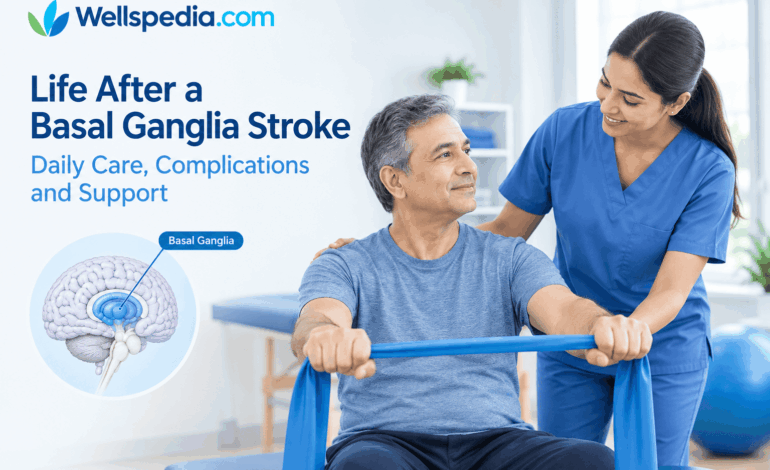
Life after a basal ganglia stroke can involve physical, emotional, and practical challenges. Some survivors regain many of their previous abilities, while others need ongoing help with walking, personal care, communication, or everyday activities. The right combination of medical follow-up, rehabilitation, home adjustments, and family support can make daily life more manageable.
The basal ganglia are structures deep within the brain that help regulate movement and work with other brain regions involved in learning and behavior. A stroke affecting this area or its connected pathways may lead to weakness, stiffness, slower movements, or other neurological difficulties.
Every survivor has different needs. This guide explains how to manage daily activities, create a safer home, recognize possible complications, support emotional well-being, and help prevent another stroke.
What Happens After a Basal Ganglia Stroke?
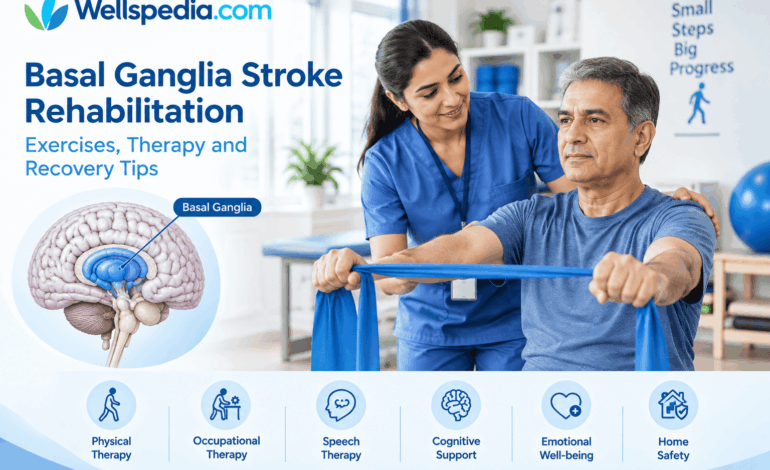
After emergency treatment and hospital care, the next stage may involve inpatient rehabilitation, outpatient therapy, home-based care, or a combination of these services.
The recommended setting depends on the person’s medical stability, mobility, communication, ability to perform daily activities, and need for supervision.
Some survivors return home with relatively little assistance. Others need help with bathing, dressing, eating, transfers, or walking. The care plan may change as their abilities improve or new challenges emerge.
For an overview of the condition, read our Basal Ganglia Stroke: Types, Symptoms, Treatment and Recovery Guide.
Daily Care After a Basal Ganglia Stroke
Daily care should encourage independence while keeping the survivor safe. The goal is not to rush recovery but to help the person participate in activities at a manageable pace.
1. Personal Hygiene and Bathing
Weakness, reduced balance, or difficulty coordinating movements may make bathing and grooming more challenging.
Helpful approaches may include:
- Installing grab bars where appropriate.
- Using a stable shower chair if recommended.
- Keeping towels, soap, and clothing within easy reach.
- Using nonslip surfaces and maintaining good lighting.
- Providing assistance when the person cannot bathe safely alone.
A physiotherapist or occupational therapist can recommend suitable equipment and demonstrate safer techniques.
2. Dressing and Grooming
Dressing may take longer when one arm or leg is weak. Sitting down while dressing, choosing easy-to-manage clothing, and arranging items in advance may reduce the effort required.
Occupational therapists can teach practical techniques for dressing, grooming, and managing buttons, zippers, or footwear.
Allow the survivor to complete tasks they can perform safely. Providing too much assistance can reduce opportunities to practise independence, while expecting too much too soon may increase frustration or risk.
3. Eating and Drinking Safely
Some stroke survivors experience difficulty swallowing, a condition known as dysphagia. Swallowing problems can increase the risk of food or liquid entering the airway.
If swallowing difficulty is suspected, seek assessment from a qualified healthcare professional. Follow the recommended food textures, liquid consistency, positioning, and feeding instructions.
Do not independently change a prescribed swallowing plan. If the person has new breathing difficulty, choking, or other severe symptoms, seek urgent medical help.
4. Household Tasks
Cooking, cleaning, laundry, shopping, and organizing appointments may become difficult after a stroke.
Consider simplifying tasks by:
- Keeping frequently used items on easy-to-reach shelves.
- Using a written checklist or calendar.
- Preparing simple meals when safe.
- Breaking large tasks into smaller steps.
- Asking family members to assist with activities that require standing, lifting, or complex coordination.
The American Stroke Association provides practical tips for daily living after a stroke, including strategies for personal care, household activities, and fall prevention.
How to Make the Home Safer
A safer home can help reduce falls and support greater independence.
Reduce Fall Hazards
Remove loose rugs, clutter, and cables from walking routes. Keep floors dry and ensure that stairs and hallways are well lit.
If the survivor has weakness or poor balance, ask a therapist whether a cane, walker, handrails, or other equipment is appropriate.
Improve Bathroom Safety
Bathrooms can be particularly challenging because wet surfaces increase the risk of slipping. Consider professional advice about grab bars, shower chairs, raised toilet seats, and nonslip flooring.
Equipment should be installed and used correctly. A towel rail is not designed to support a person’s body weight.
Arrange Furniture Carefully
Leave enough space to move safely with any prescribed mobility aid. Place commonly used objects within easy reach and avoid requiring the person to climb, stretch excessively, or bend down while standing.
Plan for Emergencies
Keep emergency contact information accessible. Family members and caregivers should know whom to contact if the survivor falls, develops new symptoms, or experiences a sudden decline.
Home changes should reflect the person’s actual abilities rather than a one-size-fits-all checklist.
Common Long-Term Challenges After a Basal Ganglia Stroke
Not every survivor develops long-term complications. However, several difficulties may affect daily life and deserve attention.
Movement Difficulties
Weakness, stiffness, slower movement, or coordination problems may interfere with walking and everyday tasks.
A personalized rehabilitation program may help the survivor practise functional movements and learn safe ways to complete activities. Some people continue to need mobility aids or assistance.
Fatigue
Post-stroke fatigue can make even familiar activities feel exhausting. It may affect physical and mental tasks, including conversations, reading, or attending appointments.
Helpful strategies include planning rest periods, breaking tasks into smaller steps, and gradually increasing activities as advised by the healthcare team.
Persistent or worsening fatigue should be discussed with a clinician because sleep problems, medication effects, mood changes, and other health conditions may also contribute.
Cognitive Changes
Some people experience difficulties with attention, memory, planning, or processing information.
Written reminders, consistent routines, calendars, and simplified instructions may help. If cognitive changes interfere with daily activities, ask the healthcare team about an appropriate assessment.
Speech and Communication Problems
Speech may be unclear, or the survivor may have difficulty finding words or understanding language, depending on the brain networks affected.
Allow extra time for responses, reduce background noise, and use short, clear sentences. Avoid speaking about the survivor as though they are not present.
A speech-language therapist can recommend communication strategies suited to the individual’s needs.
Emotional and Personality Changes
A stroke can affect mood, confidence, behavior, and emotional control. Survivors may experience frustration, anxiety, depression, or changes in social interaction.
These symptoms should not automatically be dismissed as a normal part of recovery. Speak with a healthcare professional if emotional or behavioral changes persist or interfere with everyday life.
Supporting Mental Health After a Stroke
Adjusting to life after a stroke can be difficult for both survivors and their families. A person may feel worried about independence, employment, relationships, finances, or the possibility of another stroke.
Support may include:
- Talking openly with trusted family members.
- Setting realistic, achievable daily goals.
- Maintaining social connections where possible.
- Asking about counselling or psychological support.
- Joining a stroke survivor or caregiver support group.
- Discussing persistent anxiety, depression, or sleep difficulties with a clinician.
Mental health is an important part of recovery. A survivor should not be expected to remain positive all the time, and seeking help is not a sign of weakness.
The Role of Family Caregivers
Family members often help coordinate appointments, provide transportation, assist with daily tasks, and encourage rehabilitation.
Caregivers can help by understanding the treatment plan, learning safe transfer techniques, keeping track of appointments, and communicating changes to the healthcare team.
However, supporting a stroke survivor does not mean doing everything for them. Encourage participation in activities the person can perform safely, and respect their preferences and decisions.
Caregivers also need rest and support. Sharing responsibilities with other family members, arranging respite where available, and asking healthcare professionals for guidance can reduce the burden of long-term care.
Read the American Stroke Association’s guide for stroke caregivers for additional practical advice.
Preventing Another Stroke
A previous stroke increases the importance of identifying and managing the factors that contributed to it. The prevention plan depends on the stroke type, underlying cause, and the person’s medical history.
Important steps may include:
- Manage blood pressure: Follow the prescribed treatment and monitoring plan.
- Control diabetes and cholesterol: Attend follow-up appointments and follow medical advice.
- Take prescribed medication: Do not stop or change medication without consulting the treating clinician.
- Avoid smoking: Seek professional support if needed.
- Follow a balanced diet: Ask for dietary guidance that fits the person’s health and swallowing needs.
- Stay active safely: Follow the activity plan recommended by the medical and rehabilitation team.
- Attend follow-up appointments: Review medications, risk factors, and recovery goals regularly.
Medicines used to prevent another stroke are not identical for everyone. In particular, treatment decisions differ after an ischemic stroke and a hemorrhagic stroke. Follow the plan established by the treating clinician.
When to Seek Emergency Medical Help
A stroke survivor can experience another stroke. Seek emergency medical help immediately if new symptoms appear suddenly, including:
- Facial drooping.
- Weakness or numbness, especially on one side of the body.
- Difficulty speaking or understanding speech.
- Sudden loss of vision.
- New problems with balance or coordination.
- A severe headache with no known cause.
Do not wait for symptoms to improve. Contact local emergency services immediately. In India, call 112 for emergency assistance.
Frequently Asked Questions
1. Can someone live independently after a basal ganglia stroke?
Yes, some survivors return to independent living, while others need assistance with selected activities or ongoing care. The level of independence depends on the stroke’s effects, recovery, other health conditions, and the support available.
2. How long do long-term effects of a basal ganglia stroke last?
The duration varies. Some symptoms improve substantially, while others may persist. Rehabilitation and appropriate support can continue to help with function and daily activities, even months or years after the stroke.
3. Should a stroke survivor stay alone at home?
That depends on the person’s mobility, cognition, communication, medical needs, and ability to respond to emergencies. Ask the healthcare team to assess whether being alone is safe and what support may be required.
4. How can family members support stroke recovery?
Family members can encourage safe participation in daily activities, support prescribed rehabilitation, help manage appointments, and make the home safer. They should also learn which activities require assistance and how to recognize emergency symptoms.
5. Can a basal ganglia stroke affect mood or behavior?
Yes, some survivors experience emotional or behavioral changes after a stroke. Persistent depression, anxiety, or changes in behavior should be discussed with a healthcare professional because assessment and support may help.
6. Can another stroke be prevented?
The risk can often be reduced by managing contributing health conditions, following prescribed medication plans, avoiding smoking, and attending medical follow-up. However, no prevention strategy can guarantee that another stroke will never occur.
Conclusion
Life after a basal ganglia stroke can involve adjustments to daily care, mobility, communication, emotional well-being, and family routines. A safer home, personalized rehabilitation, appropriate medical follow-up, and caregiver support can help survivors work toward the greatest possible independence.
Recovery differs for every person. Focus on realistic goals, seek professional advice when new challenges arise, and remember that long-term support may remain valuable even after formal rehabilitation ends.
Medical disclaimer: This article is for general educational purposes only. It does not replace professional medical advice, diagnosis, or treatment. Care plans and rehabilitation activities should be tailored by qualified healthcare professionals.
Author: Shafi