Eye Health: Complete Guide to Protecting Your Vision
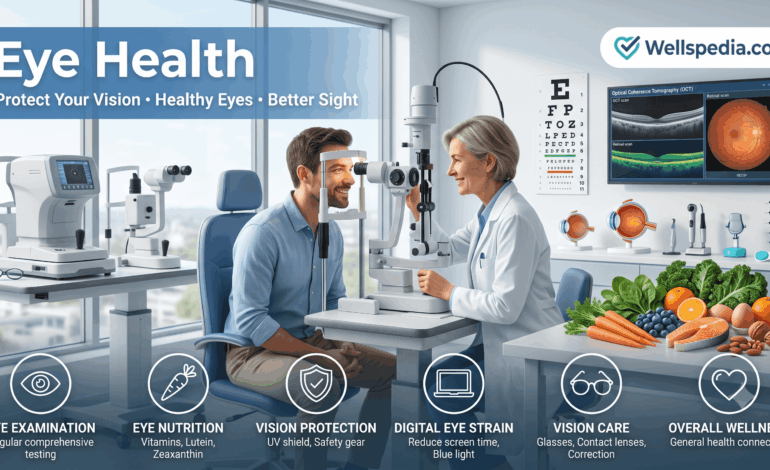
Your eyes are among the most important organs in your body, allowing you to learn, work, drive, and enjoy everyday life. Maintaining good eye health is essential for clear vision and overall well-being. However, increasing screen time, poor nutrition, aging, and chronic health conditions can raise the risk of eye diseases.
Fortunately, many vision problems can be prevented or managed through healthy lifestyle habits, regular eye examinations, and early medical care. This guide explains everything you need to know about protecting your eyesight and maintaining healthy eyes throughout life.
What Is Eye Health?
Eye health refers to keeping your eyes and vision healthy through proper nutrition, preventive care, regular eye examinations, and healthy daily habits.
Healthy eyes help you:
-
See clearly
-
Learn effectively
-
Work comfortably
-
Drive safely
-
Enjoy everyday activities
-
Maintain independence
Why Eye Health Is Important
Healthy vision affects nearly every aspect of life.
Good eye health helps:
-
Detect vision problems early
-
Reduce the risk of blindness
-
Improve school and work performance
-
Support safe driving
-
Enhance quality of life
-
Protect long-term vision
Common Eye Diseases
Several eye conditions affect people of all ages.
These include:
-
Dry Eye Syndrome
-
Conjunctivitis (Pink Eye)
-
Cataracts
-
Glaucoma
-
Diabetic Retinopathy
-
Age-related Macular Degeneration (AMD)
-
Refractive Errors
-
Digital Eye Strain
-
Eye Allergies
Early diagnosis often improves treatment success.
Symptoms You Should Never Ignore
Consult an eye specialist if you notice:
-
Blurred vision
-
Double vision
-
Eye pain
-
Persistent redness
-
Dry eyes
-
Excessive tearing
-
Light sensitivity
-
Floaters
-
Flashes of light
-
Sudden vision loss
-
Difficulty seeing at night
Prompt medical evaluation can help prevent permanent vision damage.
Understanding Strabismus (Crossed Eyes)
Strabismus, commonly known as crossed eyes, is a condition in which the eyes do not align properly and point in different directions. It can affect both children and adults. Without timely treatment, strabismus may lead to reduced vision, poor depth perception, or amblyopia (lazy eye) in children.
Common symptoms include:
-
Eyes that appear misaligned
-
Double vision
-
Difficulty focusing
-
Head tilting
-
Poor depth perception
Treatment depends on the cause and may include glasses, vision therapy, eye exercises, or surgery.
👉 Related Read:
Understanding Strabismus (Crossed Eyes): Types, Causes, Symptoms & Modern Treatment Options
Healthy Foods for Eye Health
A nutritious diet supports healthy vision.
Eat more:
-
Carrots
-
Spinach
-
Kale
-
Broccoli
-
Sweet potatoes
-
Salmon
-
Eggs
-
Citrus fruits
-
Almonds
-
Walnuts
Important nutrients include:
-
Vitamin A
-
Vitamin C
-
Vitamin E
-
Zinc
-
Omega-3 fatty acids
-
Lutein
-
Zeaxanthin
Digital Eye Strain
Spending long hours on computers, smartphones, or tablets can lead to digital eye strain.
Common symptoms include:
-
Dry eyes
-
Eye fatigue
-
Blurred vision
-
Headaches
-
Neck pain
To reduce eye strain:
-
Follow the 20-20-20 rule
-
Blink frequently
-
Adjust screen brightness
-
Maintain proper posture
-
Keep an appropriate viewing distance
-
Take regular breaks
Related Reading
If you spend long hours using digital devices, you may also find these Wellspedia articles helpful:
Screen Time for Kids: Healthy Limits Every Parent Should Know
What Is Digital Dementia? How Excessive Screen Time May Affect Brain health
Eye Care Tips
Protect your eyes by:
-
Wearing UV-protective sunglasses
-
Eating a balanced diet
-
Drinking enough water
-
Avoiding smoking
-
Getting adequate sleep
-
Washing hands before touching your eyes
-
Replacing contact lenses as recommended
-
Wearing protective eyewear during sports or hazardous work
Eye Health for Children
Regular eye examinations help detect vision problems early.
Parents should watch for:
-
Squinting
-
Frequent eye rubbing
-
Sitting too close to screens
-
Difficulty reading
-
Headaches
-
Poor school performance
Early treatment can improve learning and visual development.
Eye Health for Older Adults
As people age, they become more susceptible to conditions such as cataracts, glaucoma, and macular degeneration.
Older adults should:
-
Schedule regular comprehensive eye exams
-
Control blood sugar and blood pressure
-
Stay physically active
-
Eat antioxidant-rich foods
-
Protect their eyes from UV exposure
When Should You Visit an Eye Doctor?
Seek immediate medical attention if you experience:
-
Sudden vision loss
-
Severe eye pain
-
Eye injury
-
Chemical exposure
-
Flashes of light with many new floaters
-
Sudden double vision
Routine eye examinations remain important even if you have no symptoms.
Frequently Asked Questions
How often should I have an eye examination?
Most adults should have a comprehensive eye exam every 1–2 years, depending on age, risk factors, and advice from their eye care professional.
Which foods support eye health?
Foods rich in Vitamin A, Vitamin C, Vitamin E, Omega-3 fatty acids, lutein, and zeaxanthin help maintain healthy vision.
Can prolonged screen time affect my eyes?
Yes. Extended screen use can contribute to digital eye strain, causing symptoms such as dryness, blurred vision, and headaches. Regular breaks and proper screen habits can help.
What is strabismus?
Strabismus is a condition in which the eyes are not properly aligned. Early diagnosis and treatment can help prevent vision problems, especially in children.
Conclusion
Maintaining good eye health requires regular eye examinations, a nutritious diet, healthy screen habits, and protection from environmental hazards. Recognizing early symptoms and seeking timely medical advice can help prevent serious eye diseases and preserve clear vision for years to come.
Related Articles on Wellspedia
Learn more about eye health and brain wellness:
Understanding Strabismus (Crossed Eyes): Types, Causes, Symptoms & Modern Treatment Options.
Screen Time for Kids: Healthy Limits Every Parent Should Know.
What Is Digital Dementia? How Excessive Screen Time May Affect Brain Health.
Medical Disclaimer
This article is for educational purposes only and should not replace professional medical advice, diagnosis, or treatment. Always consult a qualified ophthalmologist or healthcare provider if you experience vision changes or eye-related symptoms.