Child Health: Complete Guide to Healthy Growth, Nutrition & Disease Prevention
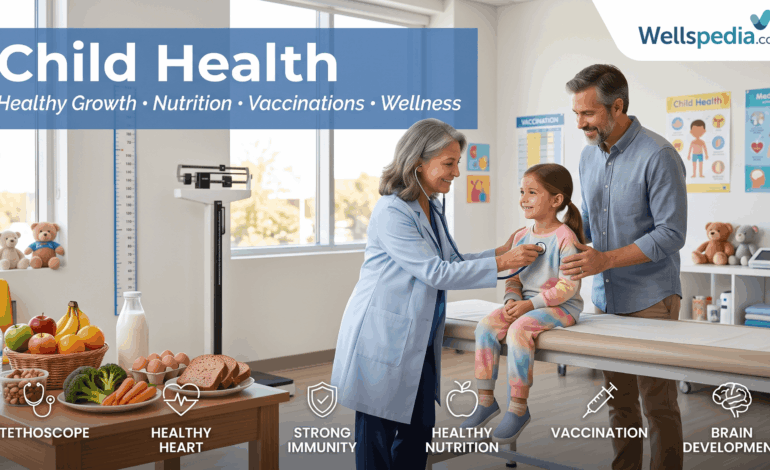
A child’s health lays the foundation for a happy, active, and successful future. Good child health is not just about treating illnesses—it also includes healthy nutrition, regular physical activity, vaccinations, emotional well-being, proper sleep, and preventive healthcare.
Moreover, healthy habits developed during childhood often continue into adulthood, reducing the risk of many chronic diseases. Therefore, parents and caregivers play an essential role in creating a safe and supportive environment that promotes healthy growth and development.
In this guide, you’ll learn everything you need to know about child health, including nutrition, vaccinations, common childhood illnesses, mental health, screen time, safety, and disease prevention.
What Is Child Health?
Child health refers to the physical, mental, emotional, and social well-being of infants, children, and adolescents. It focuses on helping children grow, learn, and develop while preventing illnesses through healthy lifestyle choices and routine medical care.
Healthy children are more likely to:
-
Grow normally
-
Learn effectively
-
Build strong immunity
-
Develop healthy relationships
-
Enjoy a better quality of life
Why Child Health Is Important
Healthy children become healthier adults. Therefore, investing in child health today helps reduce future health risks.
Good child health supports:
-
Strong bones and muscles
-
Healthy brain development
-
Better learning ability
-
Emotional well-being
-
Improved immunity
-
Healthy weight
-
Better social development
Child Growth and Development
Every child grows at a different pace. However, regular health checkups help monitor growth milestones.
Doctors usually assess:
-
Height and weight
-
Vision and hearing
-
Speech development
-
Motor skills
-
Learning ability
-
Emotional development
-
Social interaction
If developmental delays are identified early, timely support can improve outcomes.
Healthy Nutrition for Children
Nutrition is one of the most important parts of child health.
A balanced diet should include:
-
Fruits
-
Vegetables
-
Whole grains
-
Milk and dairy products
-
Eggs
-
Fish
-
Lean meat
-
Beans
-
Lentils
-
Nuts (when age-appropriate)
-
Plenty of water
Children should limit:
-
Sugary drinks
-
Processed foods
-
Fast food
-
Chips
-
Candy
-
Excess salt
Healthy eating supports growth, immunity, and brain development.
Essential Vitamins and Minerals
Children need several nutrients for healthy growth.
These include:
-
Vitamin D
-
Calcium
-
Iron
-
Vitamin A
-
Vitamin C
-
Zinc
-
Protein
-
Omega-3 fatty acids
Parents should consult a pediatrician before giving supplements unless they are medically recommended.
Childhood Vaccinations
Vaccines protect children from serious infectious diseases and help build long-term immunity.
Common vaccines include:
-
Hepatitis B
-
DTaP
-
Polio
-
MMR
-
Chickenpox
-
Rotavirus
-
Influenza
-
HPV (recommended at the appropriate age)
Keeping vaccinations up to date is one of the most effective ways to protect your child.
Common Childhood Illnesses
Children commonly experience:
-
Common cold
-
Influenza (flu)
-
Ear infections
-
Chickenpox
-
Hand, Foot, and Mouth Disease
-
Asthma
-
Allergies
-
Diarrhea
-
Fever
In some cases, neurological conditions such as seizures may also occur, especially in younger children. Early diagnosis and proper medical care are important.
Related Read:
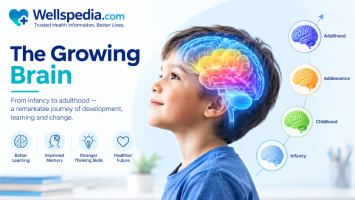
The Growing Brain: Why Children Are More Vulnerable to Seizures
Mental and Emotional Health
Mental health is just as important as physical health.
Parents can support emotional well-being by:
-
Spending quality time together
-
Encouraging open conversations
-
Praising positive behavior
-
Maintaining healthy routines
-
Limiting stress
However, excessive use of digital devices may affect attention, learning, and memory.
Related Read:
What Is Digital Dementia? How Excessive Screen Time May Affect Brain Health
Healthy Sleep
Children need enough sleep for healthy growth and brain development.
Recommended sleep duration:
-
Infants: 12–16 hours
-
Toddlers: 11–14 hours
-
Preschoolers: 10–13 hours
-
School-age children: 9–12 hours
-
Teenagers: 8–10 hours
A consistent bedtime routine supports better sleep quality.
Physical Activity
Children should remain physically active every day.
Healthy activities include:
-
Walking
-
Running
-
Cycling
-
Swimming
-
Outdoor games
-
Sports
Experts recommend at least 60 minutes of moderate to vigorous physical activity daily for school-age children and adolescents.
Screen Time
Technology can support learning when used appropriately. However, too much recreational screen time may affect sleep, attention, physical activity, and overall health.
Parents can encourage healthy digital habits by:
-
Setting daily screen time limits
-
Creating screen-free family time
-
Encouraging outdoor play
-
Avoiding screens before bedtime
-
Monitoring online content
Related Read:
Screen Time for Kids: Healthy Limits Every Parent Should Know
Hygiene and Dental Care
Teach children healthy habits early.
Important practices include:
-
Washing hands regularly
-
Brushing teeth twice daily
-
Flossing when appropriate
-
Bathing regularly
-
Covering coughs and sneezes
-
Visiting the dentist regularly
Good hygiene reduces the spread of infections.
Child Safety
Parents can improve child safety by:
-
Using car seats correctly
-
Wearing bicycle helmets
-
Supervising children near water
-
Keeping medicines out of reach
-
Installing smoke detectors
-
Preventing choking hazards
Creating a safe home environment helps prevent accidents.
When Should You Visit a Pediatrician?
Seek medical attention if your child has:
-
Persistent high fever
-
Difficulty breathing
-
Severe dehydration
-
Persistent vomiting
-
Seizures
-
Severe pain
-
Unusual rash
-
Poor feeding
-
Extreme sleepiness
Prompt medical care helps prevent serious complications.
Preventing Childhood Diseases
Parents can reduce illness risk by:
-
Following vaccination schedules
-
Providing balanced nutrition
-
Encouraging regular exercise
-
Promoting good hygiene
-
Ensuring adequate sleep
-
Avoiding tobacco smoke exposure
-
Scheduling routine health checkups
Prevention is often the best approach to long-term child health.
Frequently Asked Questions
What is child health?
Child health includes physical, emotional, mental, and social well-being from infancy through adolescence.
Why are vaccinations important?
Vaccinations protect children from many serious infectious diseases and help reduce disease outbreaks.
What foods support healthy child development?
A balanced diet rich in fruits, vegetables, whole grains, lean proteins, dairy products, and healthy fats supports healthy growth and brain development.
How much exercise do children need?
Most school-age children should get at least 60 minutes of physical activity every day.
When should parents seek medical care?
Parents should consult a healthcare provider if a child develops persistent fever, breathing problems, seizures, severe pain, dehydration, or any symptoms that worsen or do not improve.
Conclusion
Maintaining good child health requires a combination of proper nutrition, regular physical activity, adequate sleep, timely vaccinations, emotional support, and preventive healthcare. By encouraging healthy habits from an early age, parents and caregivers can help children grow into healthy, confident, and resilient adults. Regular medical checkups and early attention to health concerns further support lifelong well-being.
Related Articles on Wellspedia
To learn more about children’s health and brain development, read these expert guides:
-
Screen Time for Kids: Healthy Limits Every Parent Should Know
-
What Is Digital Dementia? How Excessive Screen Time May Affect Brain Health
-
The Growing Brain: Why Children Are More Vulnerable to Seizures
Medical Disclaimer
This article is for educational purposes only and should not replace professional medical advice, diagnosis, or treatment. Always consult a qualified pediatrician or healthcare provider regarding your child’s health.