Cutaneous Vasculitis: Causes, Symptoms, Diagnosis, Treatment & Prevention
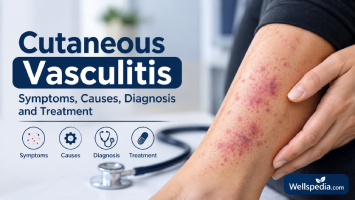
Cutaneous vasculitis is a condition in which the blood vessels beneath the skin become inflamed. This inflammation can damage small or medium-sized blood vessels, allowing blood to leak into surrounding tissues. As a result, people may develop purple spots, red rashes, painful bumps, blisters, or skin ulcers.
In some people, the condition affects only the skin and improves with appropriate treatment. In others, it may be connected to an underlying infection, medication reaction, autoimmune disorder, or a more widespread form of vasculitis.
Recognizing the early warning signs is important because skin changes can sometimes indicate inflammation affecting other organs, including the kidneys, lungs, digestive system, and joints.
This guide explains what cutaneous vasculitis is, why it develops, its symptoms, available diagnostic tests, treatment options, and possible complications.
Key Takeaways
- Cutaneous vasculitis develops when inflammation damages blood vessels in the skin.
- Common symptoms include raised purple spots, red patches, skin tenderness, blisters, and ulcers.
- Infections, certain medications, and autoimmune disorders can trigger the condition.
- A skin biopsy is an important investigation for confirming vasculitis.
- Treatment depends on the underlying cause and the severity of inflammation.
- Skin-limited cases often improve, but recurrent or systemic disease may require long-term medical supervision.
- Blood in the urine, breathing difficulties, severe abdominal pain, or rapidly worsening skin lesions require prompt medical attention.
What Is Cutaneous Vasculitis?
Cutaneous vasculitis refers to inflammation of blood vessels located within the skin. The immune system may mistakenly attack blood vessel walls or react to immune complexes deposited in these vessels.
This inflammation can weaken the affected vessels and interfere with normal blood circulation. Sometimes, small amounts of blood escape into nearby skin tissues, producing characteristic red or purple marks known as purpura.
The condition can affect different types and sizes of blood vessels. Depending on the affected vessels, skin changes may appear as tiny spots, raised rashes, deeper lumps, or painful ulcers.
Cutaneous vasculitis generally occurs in two ways:
- Skin-limited vasculitis: Inflammation remains restricted to the skin.
- Systemic vasculitis with skin involvement: Blood vessel inflammation affects the skin as well as other organs.
Distinguishing between these forms is essential because systemic disease may require more extensive investigations and treatment.
Primary vs. Secondary Cutaneous Vasculitis
Doctors generally distinguish cutaneous vasculitis according to whether another medical condition or identifiable trigger is responsible.
Primary Cutaneous Vasculitis
Primary cutaneous vasculitis describes inflammation that appears to be confined to the skin without evidence of an associated systemic disorder.
In many cases, doctors cannot identify a specific cause. Such cases are described as idiopathic.
One example is skin-limited cutaneous small-vessel vasculitis. Some patients experience a single episode, while others develop repeated outbreaks.
Secondary Cutaneous Vasculitis
Secondary cutaneous vasculitis develops in association with another condition or external trigger.
Possible causes include:
- Bacterial or viral infections.
- Reactions to prescription medications.
- Autoimmune diseases such as lupus.
- Rheumatoid arthritis.
- Certain blood disorders and cancers.
- Systemic inflammatory diseases.
For example, patients with systemic vasculitis may develop skin lesions alongside kidney, lung, or nerve problems.
Identifying the underlying condition is an important part of treatment.
Types of Cutaneous Vasculitis
Doctors classify vasculitis according to the size of the affected blood vessels, the pattern of inflammation, and the underlying disease.
1. Small-Vessel Vasculitis
Small-vessel vasculitis affects tiny blood vessels, including capillaries, venules, and small arterioles.
It is one of the most common patterns of skin vasculitis.
Important forms include:
- Cutaneous leukocytoclastic vasculitis: A condition involving inflammation of small blood vessels, commonly associated with neutrophils and cellular debris.
- IgA vasculitis: An immune-related condition involving IgA deposits in blood vessel walls. It can affect the skin, joints, digestive system, and kidneys.
- Urticarial vasculitis: Produces hive-like skin patches that typically remain for more than 24 hours and may leave discoloration.
- Cryoglobulinemic vasculitis: Associated with abnormal proteins called cryoglobulins that can affect circulation and cause inflammation.
- ANCA-associated vasculitis: A group of autoimmune disorders that may affect small blood vessels in several organs.
2. Medium-Vessel Vasculitis
Medium-vessel vasculitis affects arteries located deeper within the skin and underlying tissues.
An important example is cutaneous polyarteritis nodosa (cPAN).
Possible skin findings include:
- Painful or firm nodules.
- Purple or reddish skin discoloration.
- Persistent ulcers.
- Livedo reticularis or livedo racemosa, which produces a net-like skin pattern.
Some cases remain limited to the skin, while others require investigation for systemic disease.
3. Large-Vessel Vasculitis
Large-vessel vasculitis usually affects major arteries and is generally a systemic condition rather than a disorder limited to the skin.
Examples include giant cell arteritis and Takayasu arteritis.
Although these conditions primarily involve larger arteries, changes in skin circulation can occasionally produce discoloration or ulceration.
What Happens to the Blood Vessels?
A skin biopsy can reveal changes that help doctors identify vasculitis.
Common microscopic findings include:
- Inflammatory cell accumulation: White blood cells gather around or inside affected blood vessels.
- Leukocytoclasia: Fragments of broken-down neutrophil nuclei appear around the vessels.
- Fibrinoid necrosis: Severe inflammation damages the vessel wall.
- Red blood cell leakage: Blood escapes into nearby tissues, producing purplish skin lesions.
- Endothelial swelling: Cells lining the blood vessels become enlarged or damaged.
The exact findings depend on the type of vasculitis, the age of the skin lesion, and the blood vessels involved.
Symptoms of Cutaneous Vasculitis
Symptoms vary according to the severity of inflammation and the size of the affected blood vessels.
Skin changes frequently develop on the lower legs because of the effects of gravity and pressure on circulation.
Common Skin Symptoms
1. Palpable Purpura
Palpable purpura is one of the characteristic signs of small-vessel vasculitis. These are raised red or purple spots that do not disappear when pressure is applied.
They commonly appear around the ankles and lower legs.
2. Petechiae
Petechiae are tiny red, purple, or brown spots caused by small amounts of blood leaking beneath the skin.
They may appear in clusters and are generally flat rather than raised.
3. Painful Skin Lesions
Some affected areas become sensitive, tender, or painful. Burning and stinging sensations may also occur.
4. Blisters and Ulcers
More severe inflammation can damage surrounding tissues, producing fluid-filled blisters, blood-filled lesions, or open sores.
5. Skin Discoloration
As inflammation settles, affected areas may develop brown, reddish, or darker pigmentation that can remain for some time.
6. Livedo Reticularis
Livedo reticularis creates a lace-like or net-shaped purple discoloration on the skin. It may be associated with blood-flow disturbances and certain forms of vasculitis.
Symptoms Beyond the Skin
When vasculitis affects other organs, additional symptoms may develop.
These can include:
- Fever and unusual tiredness.
- Unexplained weight loss.
- Joint pain or swelling.
- Abdominal discomfort.
- Blood or protein in the urine.
- Reduced urine output.
- Persistent cough or breathing difficulties.
- Numbness, tingling, or weakness.
These symptoms should not automatically be attributed to a skin condition. They may indicate a more widespread inflammatory disorder requiring medical assessment.
Acute vs. Chronic Cutaneous Vasculitis
The condition can follow different patterns.
Acute Cutaneous Vasculitis
Acute cases develop relatively suddenly, sometimes following an infection or exposure to a medication.
Characteristics may include:
- Sudden appearance of purple or red spots.
- Localized skin inflammation.
- Tenderness or mild discomfort.
- Improvement over several weeks in many uncomplicated cases.
Chronic or Recurrent Cutaneous Vasculitis
Some people experience repeated episodes or persistent inflammation.
Possible features include:
- Repeated outbreaks of skin lesions.
- Persistent discoloration.
- Painful nodules or ulcers.
- Scarring following deeper skin damage.
Recurrent disease deserves further evaluation to identify possible underlying triggers or systemic involvement.
Cutaneous Vasculitis in Children and Adults
The condition can occur at any age, but its associated causes may differ between children and adults.
In Children
IgA vasculitis is an important form of small-vessel vasculitis in childhood.
It may develop after an upper respiratory tract infection and can cause:
- Raised purple spots, particularly on the legs and buttocks.
- Joint pain.
- Abdominal pain.
- Kidney involvement in some children.
Most children recover, but medical follow-up is important because kidney complications can develop even after the skin symptoms improve.
In Adults
Adults may develop cutaneous vasculitis following medication exposure, infection, or autoimmune inflammation.
Doctors pay particular attention to possible underlying systemic disease, especially when patients experience recurrent lesions, ulcers, abnormal urine tests, or other organ-related symptoms.
Causes and Risk Factors of Cutaneous Vasculitis
Several factors can contribute to inflammation of the skin’s blood vessels.
1. Infections
Certain infections can trigger an abnormal immune response that damages blood vessel walls.
Examples include:
- Streptococcal bacterial infections.
- Hepatitis B.
- Hepatitis C.
- HIV and other infections, depending on the clinical situation.
In some cases, inflammation develops because immune complexes form during the body’s response to an infection.
2. Medication Reactions
Certain medicines can trigger hypersensitivity reactions involving blood vessels.
Reported medication triggers include:
- Some penicillin and other beta-lactam antibiotics.
- Sulfonamide antibiotics.
- Nonsteroidal anti-inflammatory drugs (NSAIDs).
- Certain blood pressure medications.
The relationship between a medicine and vasculitis may become apparent when symptoms develop days or weeks after starting treatment.
Never discontinue a prescribed medication without discussing it with your healthcare professional.
3. Autoimmune Diseases
Autoimmune disorders occur when the immune system mistakenly attacks healthy tissues.
Conditions associated with cutaneous vasculitis include:
- Rheumatoid arthritis.
- Systemic lupus erythematosus.
- Sjögren’s syndrome.
- ANCA-associated vasculitis.
- Inflammatory bowel disease.
The presence of an autoimmune condition does not necessarily mean that a person will develop vasculitis.
4. Blood Disorders and Cancers
Some blood-related disorders and solid-organ cancers have been associated with secondary vasculitis.
However, malignancy is an uncommon cause. Doctors generally consider additional investigations when symptoms, medical history, or examination findings raise suspicion.
5. Other Possible Triggers
Less common associations include:
- Cold-related immune reactions.
- Physical pressure or trauma.
- Certain vaccinations, although reports are uncommon and do not establish a general causal relationship.
- Other individual immune or environmental triggers.
Is Cutaneous Vasculitis Hereditary?
Most cases of cutaneous vasculitis are not directly inherited from parents.
However, genetic factors may influence a person’s susceptibility to certain autoimmune or inflammatory conditions.
The contribution of genetics varies between different forms of vasculitis, and most cases cannot be explained by inherited factors alone.
How Is Cutaneous Vasculitis Diagnosed?
A correct diagnosis requires more than examining the visible rash. Doctors need to establish whether blood vessel inflammation is present and determine whether it affects only the skin or other organs.
1. Physical Examination
A dermatologist or other qualified healthcare professional may examine:
- The location and appearance of skin lesions.
- Whether spots are raised or flat.
- Whether the affected areas are painful.
- The presence of ulcers, blisters, or nodules.
- How quickly the rash developed.
- Whether symptoms are spreading or recurring.
The doctor may also ask about recent infections, medications, existing medical conditions, and other symptoms.
2. Blood Tests
Blood investigations help identify inflammation, possible causes, and signs of organ involvement.
Common tests include:
- Complete blood count (CBC): Checks red blood cells, white blood cells, and platelets.
- ESR and CRP: Help assess inflammation.
- ANA: May help investigate lupus and other autoimmune conditions.
- ANCA: Used when ANCA-associated vasculitis is suspected.
- Complement levels: May help identify certain immune-complex disorders.
- Rheumatoid factor: May be useful when rheumatoid arthritis is suspected.
- Hepatitis and HIV testing: Performed when clinically indicated.
3. Urine Testing
Urinalysis is particularly important when systemic vasculitis is suspected.
It can identify:
- Blood in the urine.
- Protein leakage.
- Other abnormalities suggesting kidney involvement.
Further kidney investigations may be necessary if initial findings are abnormal.
4. Skin Biopsy
A skin biopsy is one of the most important investigations for confirming cutaneous vasculitis.
During this procedure, a small sample of affected skin is removed and examined under a microscope.
The biopsy can help doctors:
- Confirm inflammation within blood vessel walls.
- Identify the size of the affected vessels.
- Distinguish vasculitis from similar skin conditions.
- Identify immune deposits using direct immunofluorescence.
A fresh skin lesion is generally preferred for biopsy because older lesions may show fewer diagnostic changes. The ideal timing and biopsy technique depend on the suspected type of vasculitis.
5. Imaging Tests
Imaging is not routinely necessary for every person with skin-limited disease.
However, doctors may recommend additional investigations when symptoms suggest involvement of other organs.
Examples include:
- Chest imaging for respiratory symptoms.
- Abdominal imaging for suspected digestive complications.
- Vascular imaging when medium- or large-vessel disease is suspected.
Conditions That Can Look Like Cutaneous Vasculitis
Several skin disorders can produce similar symptoms. Differentiating them is important because their treatments may be very different.
Cutaneous Vasculitis vs. Cellulitis
Cellulitis is a bacterial infection involving the skin and deeper tissues.
It commonly causes warm, swollen, red, and painful skin, often affecting one area or one leg.
Cutaneous vasculitis more typically produces non-blanching purple spots or raised purpura, sometimes affecting both legs.
Fever and tenderness can occur in either condition, so clinical examination is important.
Cutaneous Vasculitis vs. Lupus Rash
Lupus can produce several types of skin changes, including inflammatory rashes and purpura.
Some patients may also develop vasculitis as a complication of lupus.
Blood tests, clinical findings, and skin biopsy can help establish the correct diagnosis.
Cutaneous Vasculitis vs. Ordinary Hives
Ordinary hives, also called urticaria, usually cause itchy, raised patches that change location and typically disappear within 24 hours.
Urticarial vasculitis may look similar but tends to produce lesions that remain longer, sometimes accompanied by burning, pain, or residual bruising.
Cutaneous Vasculitis vs. Thrombotic Skin Disorders
Thrombotic vasculopathies occur when blood clots obstruct small or medium-sized vessels.
They can cause painful purple patches, skin discoloration, and ulcers.
Unlike vasculitis, the main problem is blood-vessel blockage rather than inflammatory destruction of the vessel wall.
A skin biopsy can help distinguish these conditions.
Cutaneous Vasculitis vs. Capillaritis
Capillaritis is a superficial condition involving leakage of red blood cells from tiny blood vessels.
It can produce flat reddish-brown or rust-colored spots, particularly on the lower legs.
Unlike destructive vasculitis, capillaritis generally does not involve significant inflammation and damage to blood vessel walls.
Examples include Schamberg disease and other pigmented purpuric dermatoses.
Treatment Options for Cutaneous Vasculitis
Treatment is selected according to the underlying cause, affected blood vessels, severity of symptoms, and presence of systemic complications.
Not every patient requires strong medication. Mild skin-limited disease may improve with supportive care and removal of the triggering factor.
1. Treatment for Mild Skin-Limited Disease
For uncomplicated cases, doctors may recommend:
- Adequate rest.
- Elevating the legs while resting.
- Avoiding prolonged standing.
- Gentle skin cleansing.
- Moisturizers to protect irritated skin.
- Compression stockings when appropriate and medically advised.
- Treatment of any identified infection or trigger.
Topical corticosteroids may sometimes help with localized inflammation or itching, although they do not treat the underlying blood-vessel inflammation.
2. Corticosteroid Treatment
For more extensive, painful, or persistent inflammation, doctors may prescribe systemic corticosteroids.
These medicines reduce immune activity and inflammation.
The dose and duration depend on the patient’s condition. Long-term use requires monitoring because corticosteroids can cause side effects, including increased blood pressure, elevated blood sugar, bone loss, and increased infection risk.
3. Immunosuppressive Medicines
Persistent, recurrent, or more severe cases may require medicines that reduce abnormal immune activity.
Examples include:
- Azathioprine.
- Methotrexate.
- Mycophenolate mofetil.
- Cyclophosphamide in selected severe, organ-threatening conditions.
These medicines are not suitable for everyone and require specialist supervision and appropriate monitoring.
4. Biologic and Targeted Treatments
Some patients with difficult-to-control or specific forms of vasculitis may benefit from targeted therapies.
The choice depends on the underlying disease, previous treatment response, and the organs involved.
Why Treating the Underlying Cause Matters
Managing the trigger is an essential part of successful treatment.
For example:
- An infection may require appropriate antimicrobial treatment.
- A suspected medication reaction may require a change in the prescribed medicine.
- Autoimmune disease may need specialist treatment.
- Systemic vasculitis may require a coordinated treatment plan.
Addressing the underlying cause can help control skin symptoms and reduce the likelihood of further episodes.
Possible Complications of Cutaneous Vasculitis
Many skin-limited cases improve without permanent damage. However, severe or recurrent inflammation can sometimes lead to complications.
Potential problems include:
Chronic ulcers: Persistent inflammation can damage skin tissues and produce open sores.
Scarring: Deep lesions may heal with permanent marks or scars.
Pigmentation changes: Dark or light patches may remain after the inflammation settles.
Secondary skin infections: Open sores and damaged skin can allow bacteria to enter.
Medication-related complications: Long-term corticosteroids and immunosuppressants can increase the risk of infections and other adverse effects.
Internal organ damage: If vasculitis is systemic, the kidneys, lungs, digestive tract, nerves, or other organs may be affected.
What Is the Prognosis for Cutaneous Vasculitis?
The outlook depends on the type of vasculitis, its underlying cause, the severity of inflammation, and whether other organs are involved.
People with uncomplicated skin-limited small-vessel vasculitis often recover with appropriate management.
However, some individuals experience repeated episodes, particularly when the underlying trigger remains unidentified or an associated autoimmune condition is active.
How Long Does Cutaneous Vasculitis Last?
The duration varies from person to person.
- Acute episodes may settle over several weeks.
- Some cases take a few months to resolve completely.
- Chronic or recurrent forms may continue for months or years.
Skin discoloration can sometimes remain even after active inflammation has disappeared.
Can Cutaneous Vasculitis Be Cured?
In many cases, especially when the condition is limited to the skin and a trigger can be removed, the inflammation resolves.
However, some forms are associated with long-term autoimmune or systemic diseases. These may require ongoing treatment and regular follow-up rather than a permanent cure.
Early diagnosis and appropriate management can help reduce complications.
When Should You See a Doctor?
Medical evaluation is recommended if you develop unexplained purple spots, repeated skin rashes, painful nodules, or sores that do not heal.
Seek urgent medical attention if you experience:
- Rapidly spreading purple or dark skin lesions.
- Severe skin pain or rapidly worsening ulcers.
- Fever with worsening skin inflammation.
- Blood in the urine or reduced urine output.
- Severe or persistent abdominal pain.
- Blood in the stool.
- Shortness of breath or chest pain.
- New numbness or weakness.
These symptoms may indicate a serious infection, vascular problem, or systemic vasculitis requiring immediate assessment.
Living With Cutaneous Vasculitis: Self-Care and Monitoring
Medical treatment is the main approach to controlling vasculitis. However, everyday skin care and regular follow-up can support recovery.
Maintain Healthy Skin
- Clean affected areas gently.
- Use fragrance-free moisturizers when needed.
- Avoid scratching or rubbing inflamed skin.
- Protect open lesions with appropriate dressings.
- Watch for increasing redness, warmth, swelling, or discharge.
Follow Your Treatment Plan
Take prescribed medication as directed and attend scheduled medical appointments.
Do not stop corticosteroids or immunosuppressive medicines suddenly without medical advice.
Monitor for New Symptoms
Keep track of changes in skin appearance and report new symptoms such as joint pain, abdominal discomfort, breathing difficulties, or changes in urination.
Avoid Identified Triggers
If a particular medication or infection has been linked to an episode, discuss preventive measures with your healthcare professional.
Avoid self-diagnosing medication allergies or discontinuing essential treatment without professional guidance.
Frequently Asked Questions About Cutaneous Vasculitis
1. Can amlodipine cause cutaneous vasculitis?
Rare case reports have associated amlodipine, a calcium channel blocker used to treat high blood pressure, with cutaneous small-vessel vasculitis.
However, this reaction is uncommon. Anyone who develops a suspicious rash after starting amlodipine should consult their doctor rather than stopping the medicine independently.
2. Is methotrexate used to treat vasculitis?
Yes. Methotrexate may be prescribed for selected patients with persistent or recurrent vasculitis.
It can help control inflammation and reduce the need for prolonged corticosteroid treatment. However, its suitability depends on the specific type of vasculitis and the patient’s overall health.
3. Can cutaneous vasculitis cause pneumonia?
Cutaneous vasculitis itself does not directly cause pneumonia.
However, certain systemic vasculitis disorders can affect the lungs and produce symptoms such as cough, breathing difficulties, chest discomfort, or pulmonary bleeding.
Some immunosuppressive treatments can also increase susceptibility to respiratory infections, including pneumonia.
4. Can Sjögren’s syndrome cause cutaneous vasculitis?
Yes. Sjögren’s syndrome is an autoimmune disorder that primarily affects moisture-producing glands but can also involve blood vessels.
Some patients develop small-vessel vasculitis, which may cause palpable purpura and other skin changes.
5. Can vaccinations trigger cutaneous vasculitis?
Rare cases of vasculitis have been reported after vaccination, but this does not establish that vaccines commonly cause the condition.
Vaccination decisions should consider individual medical history, current disease activity, and prescribed immunosuppressive treatment. Discuss the appropriate vaccination schedule with your healthcare professional.
6. Is cutaneous vasculitis contagious?
No. Cutaneous vasculitis is not contagious and cannot spread from one person to another through physical contact.
Some infections can trigger vasculitis, but the inflammatory condition itself is not transmitted between people.
7. Can cutaneous vasculitis go away on its own?
Some mild, skin-limited episodes resolve without extensive treatment, particularly after the triggering infection or medication exposure has ended.
However, unexplained purple spots and persistent rashes should be medically assessed because similar symptoms can occur in more serious conditions.
8. Which doctor treats cutaneous vasculitis?
A dermatologist is often the first specialist involved in diagnosing skin-related vasculitis.
Depending on the underlying cause, patients may also need care from a rheumatologist, nephrologist, or other specialist.
Final Thoughts
Cutaneous vasculitis is an inflammatory condition that can produce noticeable changes in the skin, including purple spots, painful rashes, nodules, and ulcers.
Although many cases remain limited to the skin and have a favorable outcome, some may indicate an underlying autoimmune disease, infection, or systemic blood-vessel disorder.
A combination of clinical examination, blood and urine tests, and skin biopsy can help establish the diagnosis. Treatment should focus on controlling inflammation and addressing the underlying cause.
If you notice unexplained purpura, persistent skin lesions, or symptoms involving other organs, seek medical advice rather than relying on self-treatment.
Medical Disclaimer: This article is intended for educational purposes only and does not replace professional medical advice, diagnosis, or treatment. Always consult a qualified healthcare professional regarding new or worsening symptoms.