Pneumonia: Causes, Symptoms, Treatment and Prevention – A Complete Guide
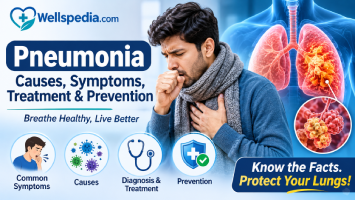
Pneumonia is a lung infection that can affect people of all ages. It can cause coughing, fever, chest pain and difficulty breathing. Although some people recover with treatment at home, severe pneumonia can become life-threatening, particularly in older adults, young children and people with underlying health conditions.
In Singapore, pneumonia is an important health concern, especially among older adults and people living with chronic conditions. Understanding its early warning signs, causes, treatment options and prevention methods can help people seek medical care at the right time.
This guide explains everything you need to know about pneumonia, including when to seek emergency medical attention.
What Is Pneumonia?
Pneumonia is an infection that causes inflammation in one or both lungs. It develops when harmful microorganisms, such as bacteria, viruses or fungi, infect the lung tissue.
Inside the lungs are millions of tiny air sacs called alveoli. These sacs help transfer oxygen into the bloodstream. When pneumonia develops, the alveoli may fill with fluid or pus, making breathing difficult and reducing the amount of oxygen that reaches the blood.
Pneumonia can range from a mild infection to a serious condition requiring hospital treatment.
It can affect:
- Babies and young children.
- Adults and working-age individuals.
- Older adults, particularly those aged 65 and above.
- People with weakened immune systems or chronic diseases.
What Causes Pneumonia?
Several types of microorganisms can cause pneumonia. The most common causes include bacteria and viruses, although fungal infections can also be responsible.
1. Bacterial Pneumonia
Bacterial pneumonia develops when bacteria infect the lungs. One common cause is Streptococcus pneumoniae, also known as pneumococcus.
Other bacteria, including Haemophilus influenzae and Mycoplasma pneumoniae, can also cause lung infections.
Common symptoms may include:
- High fever.
- Chills and sweating.
- Cough with mucus.
- Chest pain.
- Shortness of breath.
- Fatigue.
2. Viral Pneumonia
Viral pneumonia occurs when a virus infects the lungs. Common causes include:
- Influenza viruses.
- Respiratory syncytial virus (RSV).
- SARS-CoV-2, which causes COVID-19.
- Other respiratory viruses.
Symptoms may begin like a common cold or flu and gradually become more serious.
3. Fungal Pneumonia
Fungal pneumonia is less common in otherwise healthy people. It mainly affects individuals with weakened immune systems or certain underlying medical conditions.
Fungal organisms can enter the body through inhaled spores and cause infection in the lungs.
4. Aspiration Pneumonia
Aspiration pneumonia occurs when food, liquid, saliva or stomach contents enter the lungs instead of travelling into the stomach.
It is more common in people who have swallowing difficulties, certain neurological conditions or reduced consciousness.
Common Symptoms of Pneumonia
Pneumonia symptoms can develop suddenly or gradually over several days. Their severity depends on the cause of infection, the patient’s age and overall health.
Common symptoms include:
- Persistent cough, sometimes with mucus.
- Fever and chills.
- Difficulty breathing or shortness of breath.
- Chest pain that becomes worse when coughing or breathing deeply.
- Excessive tiredness and weakness.
- Sweating.
- Loss of appetite.
- Muscle aches and headaches.
- Confusion, particularly in older adults.
Some people may develop pneumonia without having a high fever. Therefore, the absence of fever does not rule out the infection.
Pneumonia Symptoms in Children
Children may show different symptoms from adults. Parents should watch for:
- Rapid or difficult breathing.
- Persistent coughing.
- Fever.
- Wheezing.
- Poor feeding or difficulty drinking.
- Unusual sleepiness or reduced activity.
- Chest indrawing during breathing.
If a child has severe breathing difficulty, bluish lips or skin, or becomes unusually unresponsive, seek emergency medical attention immediately.
Who Is at Higher Risk of Pneumonia?
Although pneumonia can affect anyone, certain groups have a greater risk of developing serious complications.
The following individuals should take extra precautions:
- Adults aged 65 years and older.
- Children under five years of age.
- People with diabetes.
- Individuals with heart disease.
- People with chronic lung diseases, including COPD.
- Individuals with chronic kidney disease.
- People receiving chemotherapy or immune-suppressing treatment.
- People with weakened immune systems.
- Smokers and individuals exposed to second-hand smoke.
Older adults may experience confusion, weakness or reduced appetite instead of typical symptoms such as high fever.
How Is Pneumonia Diagnosed?
Early diagnosis helps doctors identify the infection and decide on the appropriate treatment.
A healthcare professional may recommend the following tests:
1. Physical Examination
The doctor checks the patient’s temperature, breathing rate, heart rate and oxygen level. A stethoscope is used to listen for abnormal lung sounds.
2. Chest X-ray
A chest X-ray helps identify areas of infection or inflammation in the lungs. It is commonly used when pneumonia is suspected.
3. Blood Tests
Blood tests can help assess inflammation, infection and the patient’s overall condition.
4. Sputum Test
A sputum sample may be examined to identify bacteria or other microorganisms responsible for the infection.
5. Oxygen Level Test
A pulse oximeter measures the oxygen saturation in the blood. This helps doctors assess whether the patient is receiving enough oxygen.
Not every patient needs every test. The doctor decides based on symptoms and clinical findings.
Pneumonia Treatment: What Are the Available Options?
Pneumonia treatment depends on the cause, severity of infection, age and general health of the patient.
1. Antibiotics for Bacterial Pneumonia
Doctors prescribe antibiotics when bacterial pneumonia is suspected or confirmed.
The choice of antibiotic depends on factors such as the suspected bacteria, disease severity, allergies and local treatment guidelines.
Patients should complete the prescribed treatment and should not take leftover antibiotics or stop medication without consulting their doctor.
Important: Antibiotics do not work against viral infections.
2. Antiviral Medication
Some viral infections that cause pneumonia may require antiviral medicines. These are selected according to the specific virus and the patient’s medical condition.
3. Oxygen Therapy
Patients with low blood oxygen levels may require supplemental oxygen. Severe cases may need advanced respiratory support in hospital.
4. Rest and Hydration
People recovering at home may benefit from:
- Getting adequate sleep and rest.
- Drinking sufficient fluids, unless medically restricted.
- Eating balanced and nutritious meals.
- Avoiding smoking and alcohol.
- Following the doctor’s medication instructions.
5. Hospitalisation
Severe pneumonia may require hospital admission for oxygen therapy, intravenous medication, monitoring and other supportive treatments.
Patients with serious breathing difficulties or complications may need intensive care.
Pneumonia Prevention: How Can You Protect Yourself?
Prevention is particularly important for older adults, children and people with chronic medical conditions.
1. Get Recommended Vaccinations
Vaccines can help protect against several infections that may lead to pneumonia.
Depending on age, medical history and eligibility, recommended vaccinations may include:
- Pneumococcal vaccination.
- Annual influenza vaccination.
- COVID-19 vaccination.
- Other age-appropriate childhood vaccinations.
In Singapore, individuals can consult their healthcare providers or check HealthHub and Ministry of Health guidance to understand their vaccination eligibility.
2. Maintain Good Hand Hygiene
Wash your hands regularly with soap and water, particularly before eating and after coughing or sneezing.
Use an alcohol-based hand sanitiser when soap and water are unavailable.
3. Avoid Smoking
Smoking damages the lungs and affects their natural defence mechanisms. Avoiding cigarettes and second-hand smoke can help reduce respiratory health risks.
4. Maintain a Healthy Diet
Eat a balanced diet containing vegetables, fruits, whole grains and protein-rich foods.
Good nutrition supports the immune system and overall health.
5. Keep Indoor Spaces Clean and Well Ventilated
Improve indoor ventilation and reduce exposure to respiratory irritants. Avoid overcrowded and poorly ventilated environments when possible.
6. Stay Away from Sick Individuals When Possible
Avoid close contact with people who have respiratory infections. If you are sick, wear a well-fitting mask when around others and follow respiratory hygiene practices.
Pneumonia in Singapore: What Should Residents Know?
Singapore has an ageing population, making respiratory infections an important healthcare concern.
Older adults and individuals with diabetes, heart disease, chronic lung conditions or weakened immunity may be more vulnerable to severe pneumonia.
Residents can use Singapore’s healthcare resources to learn about pneumonia prevention, vaccination and treatment.
Useful resources include:
- HealthHub Singapore: Information about pneumonia, symptoms, prevention and vaccination.
- SingHealth: Medical information on pneumonia diagnosis and treatment.
- National University Hospital (NUH): Information about pneumonia and clinical care.
- Ministry of Health Singapore: National healthcare and vaccination recommendations.
People experiencing persistent coughing, fever, chest pain or breathing difficulties should consult a healthcare professional rather than relying on self-diagnosis.
When Should You Seek Medical Attention?
Do not ignore symptoms that may indicate pneumonia.
Consult a doctor promptly if you experience:
- Persistent or worsening cough.
- Fever with chills.
- Chest pain during breathing or coughing.
- Shortness of breath.
- Unusual weakness or fatigue.
- Coughing up blood.
Emergency Warning Signs
Seek emergency medical attention immediately if you experience:
- Severe difficulty breathing.
- Blue or grey lips, tongue or skin.
- Sudden confusion or reduced consciousness.
- Severe chest pain.
- Inability to wake up or respond normally.
These symptoms may indicate a serious medical emergency.
Frequently Asked Questions About Pneumonia
1. Is pneumonia a serious disease?
Yes. Pneumonia can range from mild to life-threatening. Older adults, young children and people with chronic illnesses may be at greater risk of serious complications.
2. Is pneumonia contagious?
Some infections that cause pneumonia, including certain bacterial and viral infections, can spread between people through respiratory droplets or close contact. However, not every type of pneumonia is contagious in the same way.
3. Can pneumonia be cured completely?
Yes. Many people recover completely with appropriate treatment. However, recovery time varies depending on the severity of the infection and the patient’s overall health.
4. How long does pneumonia take to recover?
Some people start feeling better within one to two weeks, while cough and tiredness may continue for several weeks. Severe pneumonia may require a longer recovery period.
5. Can pneumonia occur without fever?
Yes. Some patients, particularly older adults, may develop pneumonia without a noticeable fever. Other symptoms, such as confusion, weakness and breathing difficulties, may be more prominent.
6. Can pneumonia affect both lungs?
Yes. Pneumonia can affect one lung or both lungs. When both lungs are affected, the condition is sometimes informally called double pneumonia.
7. Can pneumonia be prevented?
Pneumonia risk can be reduced through recommended vaccinations, good hygiene, avoiding smoking, maintaining healthy habits and managing existing medical conditions.
8. Is pneumonia more dangerous for older adults?
Older adults, particularly those aged 65 and above, have a greater risk of severe pneumonia. Age-related changes in immunity and underlying health conditions can increase the risk of complications.
9. Does pneumonia require hospitalisation?
Not always. Mild cases may be treated at home under medical supervision. Severe cases may require hospital admission, oxygen therapy and intravenous treatment.
10. Which vaccine helps prevent pneumonia?
Pneumococcal vaccines help protect against disease caused by pneumococcal bacteria. Influenza and other recommended vaccines can also reduce the risk of infections that may lead to pneumonia. Consult a healthcare professional about your eligibility.
Final Thoughts
Pneumonia is a potentially serious lung infection, but early diagnosis, appropriate treatment and preventive measures can improve outcomes.
People in Singapore, especially older adults and individuals with chronic health conditions, should understand the warning signs and stay up to date with recommended vaccinations.
Never ignore persistent coughing, chest pain or breathing difficulties. Seeking medical attention early can help prevent complications and support a safer recovery.
Medical Disclaimer: This article is intended for educational purposes only. It does not replace professional medical advice, diagnosis or treatment. Always consult a qualified healthcare professional for personal medical concerns. Seek emergency care for severe breathing difficulties or other serious warning signs.